 WhatsApp Us (24/7)
 +91 926 888 0303 (24/7)


To Book an Appointment
Call Us+91 926 888 0303Blood Sugar Test: Normal Range and Results
By Dr. Pushkraj Shamsunder Gadkari in Cardiology
Jan 06 , 2026 | 4 min read
3

A Blood Sugar Test (also known as a Glucose Test) is an essential diagnostic test that measures the level of glucose in your blood. It helps detect diabetes, prediabetes, and other metabolic disorders. Regular monitoring of blood sugar levels is important for maintaining good health and preventing complications related to high or low blood sugar.
What Does a Blood Sugar Test Check?
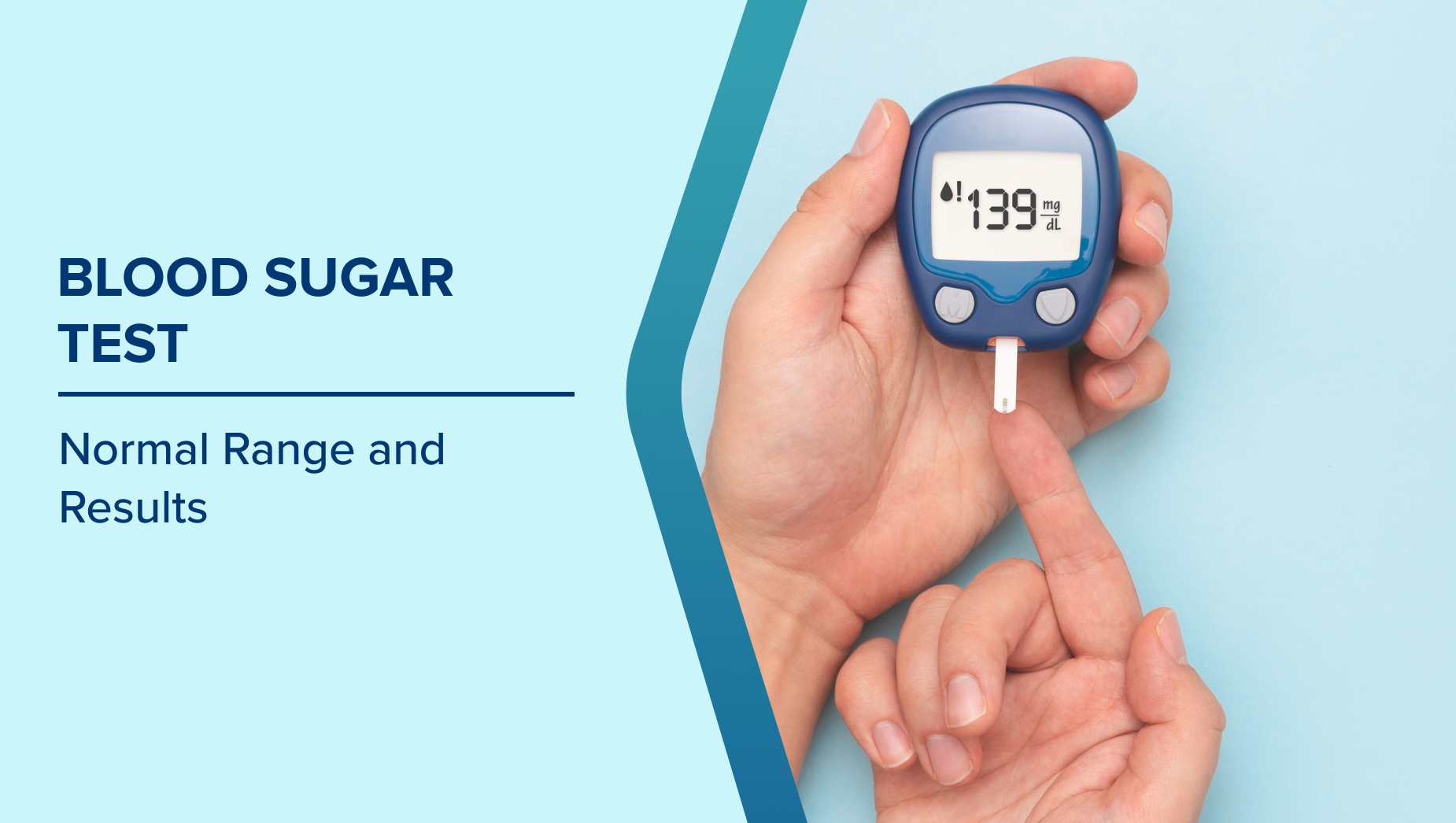
A blood sugar test measures glucose levels in the blood. Glucose is the primary source of energy for the body, and its levels need to be regulated for overall health. The test is commonly used to:
- Diagnose and monitor diabetes (Type 1, Type 2, and gestational diabetes).
- Check blood sugar levels in people with symptoms like excessive thirst, frequent urination, or fatigue.
- Assess glucose tolerance in pregnant women (gestational diabetes screening).
- Evaluate the effectiveness of diabetes treatment plans.
What Is the Normal Range for Blood Sugar?
The normal blood sugar levels vary based on whether you are fasting, have eaten recently, or are undergoing a glucose tolerance test:
|
Test |
Normal Range |
|
Fasting Blood Sugar (FBS) |
70 – 99 mg/dL |
|
Postprandial Blood Sugar (PPBS) |
Less than 140 mg/dL (2 hours after meal) |
|
Random Blood Sugar (RBS) |
Less than 200 mg/dL |
|
HbA1c |
Below 5.7% |
Abnormal blood sugar levels may indicate diabetes, insulin resistance, or other metabolic conditions.
Blood Sugar Test Price in India
The blood sugar test price varies depending on the type of test and the healthcare facility. At Max Hospital, we provide a comprehensive blood sugar test with accurate and timely results.
The price of the blood sugar test at Max Hospital is affordable, ensuring accessibility for all patients. For exact pricing details, you can visit the hospital's website or contact the diagnostic center directly.
Diseases That a Blood Sugar Test Can Detect
A blood sugar test helps diagnose and monitor several medical conditions, including:
Diabetes Mellitus (Type 1 & Type 2)
A chronic condition where the body lacks insulin (Type 1) or cannot use it effectively (Type 2). It leads to high blood sugar and requires lifelong management.
Prediabetes (Early Signs of Diabetes)
A warning stage where blood sugar is higher than normal but not yet diabetes. It can often be reversed with diet and lifestyle changes.
Gestational Diabetes (Occurs During Pregnancy)
Develops during pregnancy when the body struggles to manage blood sugar. It usually resolves after birth but increases future diabetes risk.
Hypoglycemia (Low Blood Sugar Levels)
A condition where blood sugar drops too low, causing dizziness and weakness. Severe cases may lead to unconsciousness if untreated.
Hyperglycemia (High Blood Sugar Levels)
Occurs when blood sugar is too high, often due to diabetes. Symptoms include excessive thirst, frequent urination, and fatigue.
Metabolic Syndrome (Increases Heart Disease Risk)
A group of conditions like high blood sugar, obesity, and hypertension. It raises the risk of diabetes, stroke, and heart disease.
Blood Sugar Test Results & Their Interpretation
Once you get your blood sugar test results, here’s how to interpret them:
- Normal Blood Sugar: Your glucose levels are within the healthy range.
- Prediabetes: Blood sugar is slightly elevated, indicating a risk of developing diabetes.
- Diabetes: Consistently high glucose levels indicate diabetes, requiring medical attention.
- Hypoglycemia: Low blood sugar levels, which may cause dizziness, shakiness, or fainting.
Your doctor will analyze the results and recommend the necessary treatment or lifestyle changes based on your health condition.
Composition and Ingredients of a Blood Sugar Test
A blood sugar test is a laboratory diagnostic test and does not contain active pharmaceutical ingredients like medicines. However, the key components of the test include:
- Blood sample collection (via finger prick or vein).
- Glucose testing strips (for home tests).
- Glucose meters (for immediate results).
- Laboratory analysis (for advanced testing like HbA1c).
Uses of a Blood Sugar Test
- Routine Health Checkups – Helps detect diabetes early and monitor glucose levels.
- Diabetes Management – Essential for people with diabetes to adjust medications and diet.
- Pre-Surgical Assessment – Ensures normal glucose levels before surgery.
- Gestational Diabetes Screening – Helps pregnant women prevent complications.
- Emergency Diagnosis – Identifies causes of fainting, confusion, or seizures.
Side Effects and Risks of a Blood Sugar Test
A blood sugar test is a safe procedure, but some individuals may experience minor side effects, including:
- Mild Bruising – A small bruise may appear where the blood sample was taken.
- Dizziness – Some people feel lightheaded after the test.
- Slight Pain – There may be mild discomfort at the blood collection site.
These side effects are temporary and usually resolve quickly.
Take Control of Your Health with a Blood Sugar Test!
Regular blood sugar testing is key to detecting and managing diabetes early. Whether you need routine monitoring or a diagnostic test, Max Hospital offers comprehensive and accurate blood sugar tests.
Book Your Test Today! Get fast results, expert consultation, and world-class care at Max Hospital.
Call Now or Visit Max Hospital to schedule your appointment!
Frequently Asked Questions (FAQs)
Can a blood sugar test be done at home?
Yes, you can perform a blood sugar test at home using a glucometer and testing strips. However, laboratory tests provide more accurate results.
Is a blood sugar test done before surgery?
Yes, doctors often recommend a blood sugar test before surgery to ensure glucose levels are stable, reducing complications during the procedure.
How often should I get a blood sugar test?
- For healthy individuals: Once a year.
- For people at risk of diabetes: Every 6 months.
- For diabetics: As recommended by the doctor.
Can high blood sugar cause symptoms?
Yes, high blood sugar can cause increased thirst, frequent urination, fatigue, blurry vision, and slow-healing wounds.
What is the best time to check blood sugar?
Fasting blood sugar should be checked in the morning before eating, while post-meal sugar should be tested 2 hours after a meal.
What are the symptoms of low blood sugar?
Symptoms include shakiness, sweating, dizziness, confusion, and hunger. Severe cases may lead to fainting or seizures.
Can diet and exercise control blood sugar levels?
Yes, a healthy diet and regular exercise help maintain normal glucose levels and reduce the risk of diabetes.
Written and Verified by:

Related Blogs

Dr. Rajiv Agarwal In Cardiology
Jul 21 , 2021 | 1 min read

Dr. Balbir Singh In Cardiac Sciences , Cardiology
Dec 30 , 2021 | 1 min read
Blogs by Doctor

Decoding Heart Attacks: Causes, Risk Factors, and Prevention Measures
Dr. Pushkraj Shamsunder Gadkari In Cardiology
Jan 06 , 2025 | 12 min read

Lipoprotein (a) Test: Normal Range, Cost & Results
Dr. Pushkraj Shamsunder Gadkari In Cardiology
Apr 28 , 2025 | 5 min read
Most read Blogs


Related Blogs
Dr. Rajiv Agarwal In Cardiology
Jul 21 , 2021 | 1 min read
Dr. Balbir Singh In Cardiac Sciences , Cardiology
Dec 30 , 2021 | 1 min read
Blogs by Doctor
Decoding Heart Attacks: Causes, Risk Factors, and Prevention Measures
Dr. Pushkraj Shamsunder Gadkari In Cardiology
Jan 06 , 2025 | 12 min read
Lipoprotein (a) Test: Normal Range, Cost & Results
Dr. Pushkraj Shamsunder Gadkari In Cardiology
Apr 28 , 2025 | 5 min read
Most read Blogs