 WhatsApp Us (24/7)
 +91 926 888 0303 (24/7)


To Book an Appointment
Call Us+91 926 888 0303Bone Bruise (Bone Contusion): Symptoms, Causes, Diagnosis, and Treatment
By Dr. Rishabh Jaiswal in Orthopaedics & Joint Replacement
Mar 26 , 2026

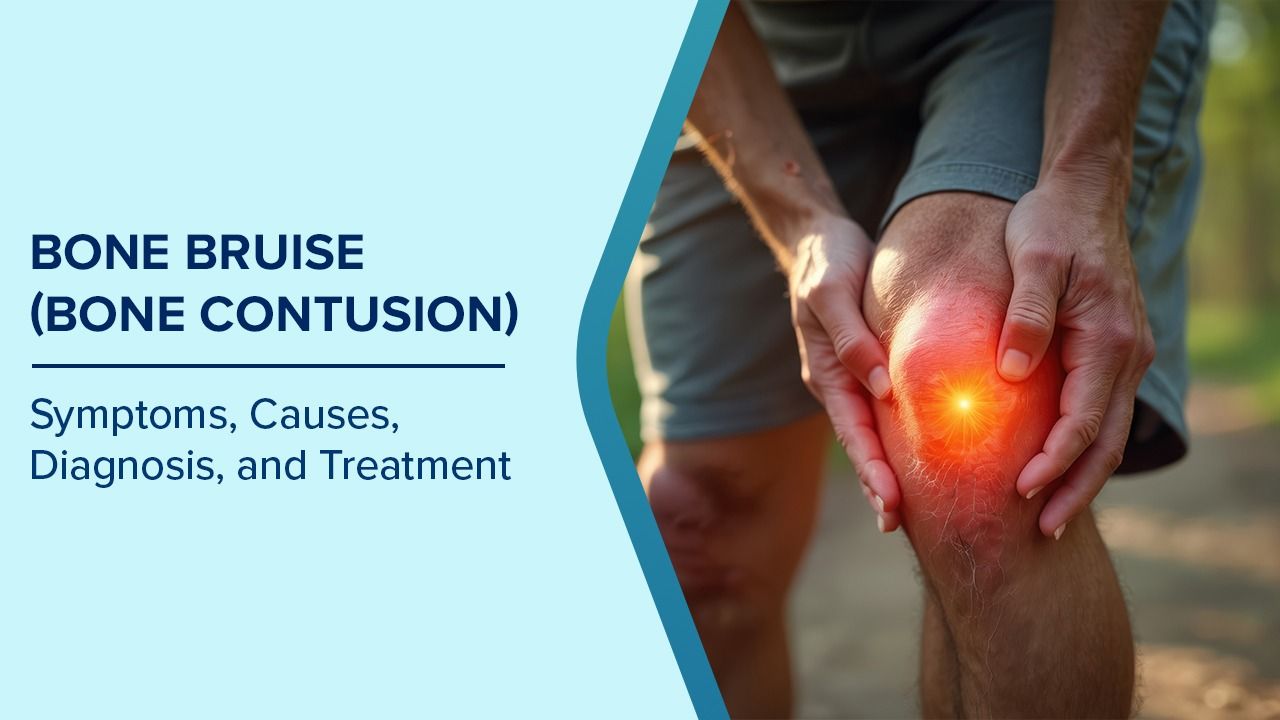
A bone bruise, also known as a bone contusion, is more serious than a typical bruise seen on the skin. It affects the inner structure of the bone and often causes deep pain that does not settle quickly. This type of injury is commonly linked to falls, sports injuries, or direct impact to a joint. Many people expect the pain to ease in a few days, but a bone bruise can take weeks or even months to heal if not managed properly. They often get overlooked or misdiagnosed as simple soft tissue injuries, leaving people confused about why their pain persists long after the initial impact. Understanding what's happening is the first step toward getting proper treatment and recovery. In this guide, we'll walk you through everything you need to know about bone bruises, starting with the basics.
What is a Bone Bruise (Bone Contusion)?
A bone bruise, also known as a bone contusion, refers to microscopic damage within the bone caused by trauma. Instead of cracking or breaking, the bone develops small areas of internal injury where blood and fluid collect inside the bone marrow. This internal damage is why the pain often feels deeper and more intense than a muscle or skin bruise.
Bone bruises are commonly associated with joint injuries and may occur alongside ligament or cartilage damage. They are most often detected on MRI scans, as standard X-rays do not show changes within the bone marrow. Although the outer surface of the bone remains intact, the internal injury requires adequate time and care to heal fully.
Types of Bone Bruises
Bone bruises are classified based on where the internal damage occurs within the bone. Each type has distinct features and may affect recovery time and joint function.
Subperiosteal Bone Bruise
This type occurs when the periosteum, the thin outer covering of the bone, is damaged due to a direct blow or sudden impact. The force causes blood to collect between the periosteum and the bone surface, leading to localised pain and tenderness. Swelling is usually present, and discomfort tends to increase when pressure is applied to the affected area. This type is often linked to contact injuries and falls.
Interosseous Bone Bruise
An interosseous bone bruise involves injury to the bone marrow inside the bone. It usually results from compressive forces that occur during high-impact activities or joint trauma. This type may cause deep, persistent pain and stiffness, especially during movement or weight-bearing. Interosseous bruises are commonly detected on MRI and may take longer to heal compared to superficial bone bruises.
Subchondral Bone Bruise
A subchondral bone bruise develops in the bone layer just beneath the joint cartilage. It is often associated with twisting injuries or sudden changes in direction, particularly in weight-bearing joints such as the knee or ankle. This type can affect joint stability and movement during recovery and may require careful monitoring to avoid long-term joint issues.
Which Bones and Joints are Most Commonly Affected?
Bone bruises can affect many bones, but some are more prone to injury due to weight-bearing and frequent movement:
- Knee: Common in sports injuries, falls, or sudden twists. The femur and tibia just below the cartilage are often affected, causing deep pain and stiffness.
- Ankle: Often occurs after sprains, twists, or direct impact. Pain and swelling may make walking or standing uncomfortable.
- Hip: Less common but can result from falls or high-impact accidents. The femoral head may develop deep pain and limited mobility.
- Wrist: Usually caused by falls onto an outstretched hand or sports injuries. Pain occurs deep in the joint, restricting movement.
- Foot: Bones like the metatarsals and heel can be injured during sports or heavy impact. This can make walking painful and slow recovery.
These areas are particularly susceptible because they absorb most of the force during accidents or high-impact activities.
What Causes a Bone Bruise?
A bone bruise happens when a strong impact damages the inner structure of the bone without causing a full fracture. The injury leads to bleeding and swelling within the bone marrow, which can result in deep, persistent pain. Common causes include:
- Sports Injuries: High-impact sports such as football, basketball, soccer, or skiing often involve sudden twists, falls, or collisions. These forces can compress the bone, leading to a contusion. Bone bruises in athletes frequently occur alongside ligament or cartilage injuries.
- Falls: Falling directly onto a joint or limb can generate enough force to damage the bone internally. Even a minor fall on a hard surface can cause a bone bruise, especially in weight-bearing areas like the knee, ankle, or hip.
- Direct Blows: A heavy impact, such as a hit from an object or during contact sports, can injure the outer layer of the bone and the tissue beneath it. This may result in swelling, tenderness, and restricted movement.
- Joint Trauma and Twisting Injuries: Sudden changes in direction or excessive twisting of a joint can transmit force to the bone under the cartilage, causing a subchondral bone bruise. This type often occurs in knees and ankles during sports or accidents.
- High-Impact Accidents: Road traffic accidents or workplace injuries can create intense pressure on bones. Even without fractures, the internal bone tissue may become damaged, leading to pain, swelling, and stiffness.
Bone bruises often appear alongside other injuries, making it important to get a thorough evaluation. Timely care can prevent prolonged pain and complications in joint movement.
What are the Common Symptoms of a Bone Bruise?
Bone bruises can be painful and persistent, often lasting longer than a typical soft-tissue bruise. The severity of symptoms depends on the location of the bruise and the force of the injury. Common signs include:
- Deep, Persistent Pain: Pain usually feels internal and focused on the injured bone. It often intensifies with movement or when weight is placed on the affected area.
- Swelling and Tenderness: The area around the bone may appear swollen and feel sensitive to touch. This swelling can sometimes extend to nearby joints.
- Stiffness and Limited Movement: Movement of the affected joint may be restricted. The stiffness can make bending, walking, or performing daily activities uncomfortable.
- Bruising or Discolouration: Skin bruising may appear over the injured area, but sometimes the discolouration is minimal since the damage is inside the bone.
- Pain During Pressure or Impact: Activities that place pressure on the injured bone, such as running, jumping, or lifting, often worsen the discomfort.
- Slow Improvement: Unlike surface bruises, bone bruises can take weeks to months to heal. Pain may linger even with rest, making early recognition important.
Bone bruises often coexist with ligament or cartilage injuries, so persistent symptoms should prompt a medical evaluation to prevent further complications.
How is a Bone Bruise Diagnosed?
Diagnosing a bone bruise requires a careful approach that combines patient history, physical examination, and imaging tests:
Reviewing Patient History
The first step involves understanding the circumstances of the injury. The doctor asks about how and when the injury occurred, the severity and location of pain, and any swelling or stiffness noticed after the impact. Previous injuries to the same bone or joint and the patient’s level of physical activity are also considered. This detailed history helps determine whether the pain is likely due to a bone bruise and if there may be associated ligament, cartilage, or joint injuries.
Physical Examination
Next, the doctor performs a careful physical assessment. This involves checking for tenderness, swelling, and stiffness around the affected bone and joint. The range of motion and stability of the nearby joint are evaluated to see if movement worsens the pain. Any signs of accompanying ligament or cartilage injury are also assessed, as these often occur alongside bone bruises and can affect treatment and recovery.
Imaging Tests
Since bone bruises affect the inner structure of the bone, imaging is essential for confirmation:
- X-rays: These are usually the first imaging step to rule out fractures. Bone bruises often do not appear on X-rays because the outer structure of the bone remains intact.
- Magnetic Resonance Imaging (MRI): MRI is the most reliable test for detecting bone bruises. It can clearly show bleeding and swelling within the bone marrow and provides a precise view of the bruise’s location and severity. MRI also helps identify any associated ligament or cartilage injuries.
- CT Scan (in select cases): A CT scan may be used to closely examine the bone structure, particularly if complex injuries or fractures are suspected.
How is a Bone Bruise Treated?
Treatment for a bone bruise focuses on reducing pain and swelling, protecting the injured area, and supporting proper healing. The approach depends on the severity and location of the bruise, as well as any associated injuries:
Rest and Activity Modification
The first step in treatment is reducing stress on the injured bone. Patients are advised to limit activities that place pressure on the affected area, such as running, jumping, or heavy lifting. In some cases, using crutches, braces, or supports may help prevent further injury and allow the bone to heal without additional strain.
Ice Therapy and Elevation
Applying ice to the injured area helps reduce swelling and relieve pain during the initial days after the injury. Elevating the affected limb above heart level, when possible, can further minimise swelling and promote blood circulation, which supports healing.
Pain Management
Over-the-counter pain relievers may be recommended to manage discomfort. In some cases, prescription medications or anti-inflammatory treatments are used under medical supervision. Pain management allows patients to maintain gentle movement without worsening the injury.
Physiotherapy and Gradual Rehabilitation
Once initial pain and swelling improve, physiotherapy can help restore joint movement and strengthen surrounding muscles. Exercises are carefully introduced to prevent stiffness and improve stability. Gradual weight-bearing and activity are encouraged under professional guidance to ensure a safe return to normal activities and sports.
How Long Does a Bone Bruise Take to Heal?
The healing time for a bone bruise varies depending on its severity and location. Most mild bruises take 2 to 4 weeks to improve, while deeper or more severe bruises may require several months to fully heal. Recovery is often slower if the bruise is near a joint or accompanied by ligament or cartilage injuries. Following medical advice and avoiding stress on the affected bone can help speed up the healing process.
Consult Today
Bone injuries can sometimes feel minor at first, but even a small impact can lead to a bone bruise that causes deep, lingering pain and affects your movement. If you’ve been experiencing persistent joint or deep bone pain after a fall, sports injury, or impact, it’s important to pay attention and take action rather than assuming it will go away on its own. Consult an orthopaedic specialist at Max Hospital who can help you get the right evaluation, proper tests, and a treatment plan suited to your situation. Taking this step early not only helps manage pain effectively but also supports better joint function and a smoother recovery, allowing you to return to your daily activities or sports safely.
Frequently Asked Questions
Can bone bruises cause lasting damage?
Bone bruises are not permanent. With proper care and rest, the injured bone tissue usually heals over time. However, severe bruises or those near joints may take longer to recover and need careful management to prevent complications.
How are bone bruises different from fractures?
A bone bruise involves internal bleeding and swelling within the bone without a break in the bone’s structure. A fracture, on the other hand, is a complete or partial break in the bone. Bone bruises are generally less severe but can still be painful and limit movement.
Can low iron levels make bruising worse?
Low iron can sometimes make your blood vessels more fragile, which may make bruising more noticeable. While it does not directly cause a bone bruise, low iron can affect how easily superficial bruises appear on your skin.
Is it safe to exercise with a bone bruise?
Exercise should be limited while a bone bruise is healing. High-impact or weight-bearing activities can worsen the injury. Gentle, guided movement under medical supervision may be introduced once initial pain and swelling improve.
Will an MRI show a bone bruise?
Yes, an MRI is the most reliable way to detect a bone bruise. It can clearly reveal swelling and bleeding within the bone marrow that X-rays cannot pick up.
Can a bone bruise be a sign of cancer?
Bone bruises are caused by trauma or impact and are not cancerous. Persistent or unusual bone pain should always be checked by a doctor to rule out other conditions, but a typical bone contusion is not linked to cancer.
Written and Verified by:

Related Blogs


Dr. Ashish Jain In Orthopaedics & Joint Replacement
Nov 07 , 2020 | 1 min read
Blogs by Doctor


Joint Pain (Arthralgia): Common Causes and Treatment Options
Dr. Rishabh Jaiswal In Orthopaedics & Joint Replacement
Oct 14 , 2025 | 7 min read
Most read Blogs


Related Blogs
Dr. Ashish Jain In Orthopaedics & Joint Replacement
Nov 07 , 2020 | 1 min read
Blogs by Doctor
Joint Pain (Arthralgia): Common Causes and Treatment Options
Dr. Rishabh Jaiswal In Orthopaedics & Joint Replacement
Oct 14 , 2025 | 7 min read
Most read Blogs