 WhatsApp Us (24/7)
 +91 926 888 0303 (24/7)


To Book an Appointment
Call Us+91 926 888 0303Brain Boosting Foods for Kids: Enhance Memory & Focus
By Dr. Sunil Bhasin in Neonatology , Paediatrics (Ped)
Aug 25 , 2025 | 4 min read
1

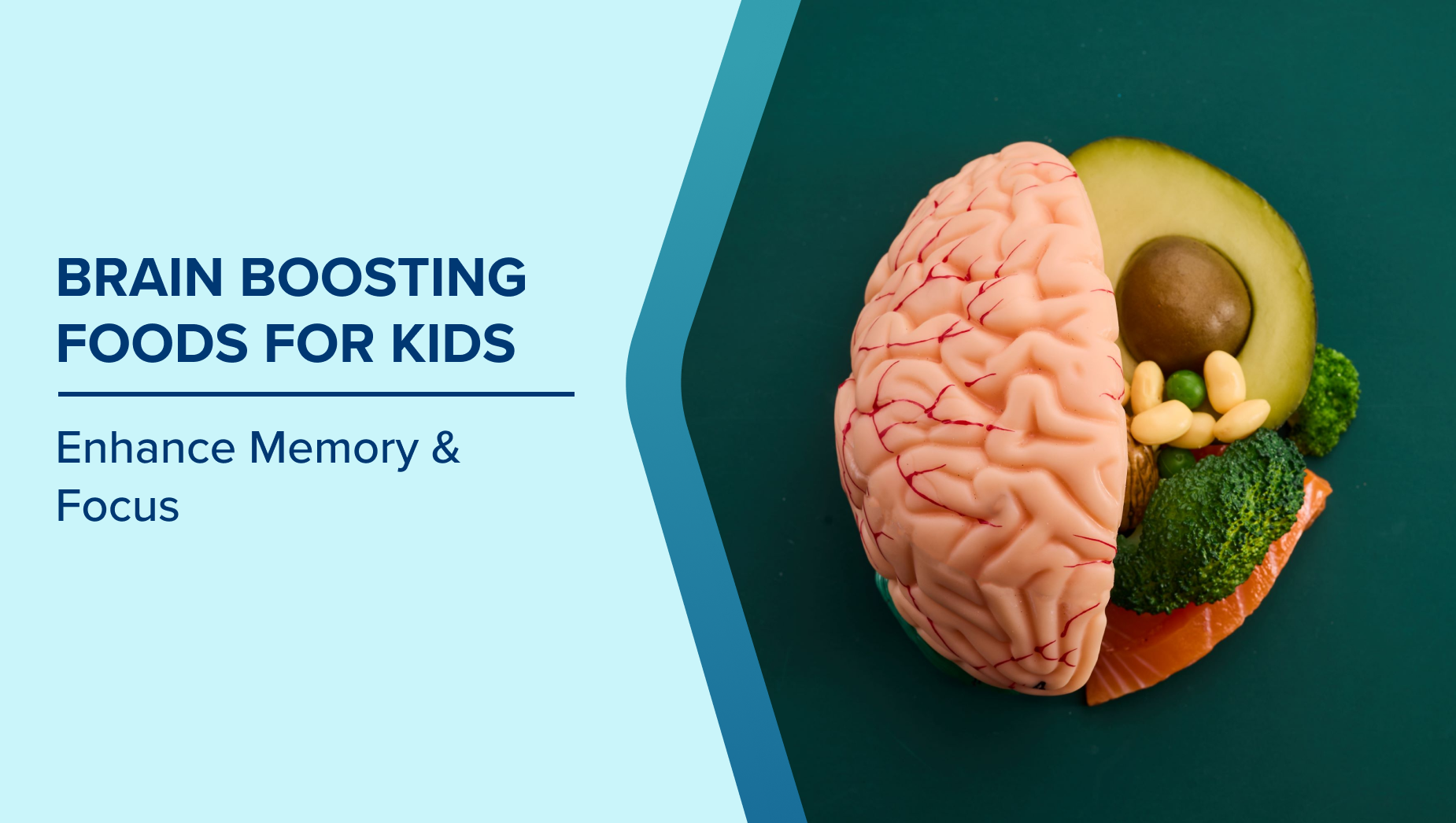
Proper nutrition plays a vital role in a child’s physical growth and mental development. A well-balanced diet filled with brain-boosting foods can significantly enhance children's memory, focus, and overall cognitive function. This blog explores some of the best foods to fuel your child’s brain, how they contribute to mental health, and tips to make nutritious eating fun and easy.
Why is Nutrition Important for Brain Development?
The brain is an active organ that needs continuous nourishment, especially in children whose brains are growing rapidly. The right nutrients help improve concentration, memory, learning abilities, and emotional well-being. Poor nutrition, on the other hand, may lead to sluggish brain function and affect academic performance and behaviour. The first 1000 days of a child’s life – from conception to second birthday are crucial for shaping the foundation of brain development.
Top Brain-Boosting Foods for Kids
- Fatty Fish: Fatty fish such as salmon, mackerel, and sardines are packed with omega-3 fatty acids that support brain function and development. Omega-3s improve cognitive function and protect the brain from decline.
- How to Include: Add grilled salmon to wraps or serve as fish tacos for a kid-friendly meal.
- Eggs: Eggs provide high-quality protein and are rich in choline, which supports brain development and memory.
- How to Include: Scrambled eggs, omelettes with veggies, or boiled eggs as a snack are simple and nutritious options.
- Berries: Blueberries, strawberries, and blackberries are rich in antioxidants that help safeguard the brain from damage caused by oxidative stress. They also enhance memory and concentration.
- How to Include: Add berries to yoghurt, oatmeal, or smoothies for a colourful and healthy treat.
- Whole Grains: Whole grains like oats, brown rice, and whole wheat bread supply the brain with a consistent energy source. They also contain fibre, which supports steady blood sugar levels and enhances concentration.
- How to Include: Serve whole grain sandwiches, oatmeal breakfast bowls, or homemade granola bars.
- Leafy Greens: Spinach, kale, and broccoli have nutrients like iron, folate, and antioxidants that promote brain health and reduce cognitive decline.
- How to Include: Blend greens into smoothies or add them to pasta sauces and soups.
- Nuts and Seeds: Almonds, walnuts, flaxseeds, and chia seeds are rich in healthy fats, vitamins, and antioxidants that enhance brain function.
- How to Include: Offer trail mix, nut butter spreads, or sprinkle seeds over cereal and salads.
- Dairy Products: Milk, yoghurt, and cheese are great sources of protein, calcium, and vitamin B12, all crucial for brain development and nerve function. Dairy products also contain choline, iodine, insulin-like growth factor, polyunsaturated fatty acids, and bioactive peptides that support cognitive growth.
- How to Include: Serve yoghurt parfaits, cheese cubes with fruits, or milkshakes made with fresh fruits.
- Avocados: Avocados are rich in healthy fats that enhance blood flow to the brain, boosting concentration and cognitive performance.
- How to Include: Spread mashed avocados on whole-grain toast or mix them into smoothies for a rich, creamy consistency.
Simple Tips to Make Nutritious Eating Fun for Kids
- Get Creative with Presentation: Use colourful plates and fun shapes to make healthy foods appealing.
- Involve Kids in Meal Prep: Let them pick fruits or help prepare simple meals. This makes them excited about eating healthy.
- Be a Role Model: Kids are more likely to follow healthy habits when they see their parents eating nutritious meals.
- Offer Choices: Give them healthy options to choose from. For example, “Do you want yoghurt with berries or banana slices?”
Foods to Avoid for Better Brain Health
- Sugary Snacks: Excessive sugar can affect concentration and lead to energy crashes.
- Processed Foods: High in unhealthy fats and preservatives, processed foods can impact mental sharpness.
- Artificial Additives: Colours and preservatives can sometimes trigger hyperactivity or reduce attention span in children.
The Role of Hydration
Remember water! Staying hydrated is crucial for brain function. Dehydration can cause fatigue, reduced concentration, and mood swings. Encourage your child to drink plenty of water throughout the day.
Conclusion
Providing the right nutrition is one of the best ways to support your child’s brain development. Incorporate these brain-boosting foods into their daily meals and watch their cognitive abilities flourish. Remember, healthy eating habits start at home—be the role model your kids need for a smarter, healthier future!
Frequently Asked Questions
What are the best snacks for brain development in kids?
Healthy snacks like yoghurt with berries, boiled eggs, trail mix with nuts and seeds, and whole grain crackers with cheese are great for brain development.
How do omega-3 fatty acids help my child’s brain?
Omega-3s support cognitive function, enhance memory, and protect the brain from decline. They are primarily found in fatty fish like salmon and mackerel.
How can I get my child to eat more leafy greens?
Incorporate greens into smoothies, pasta sauces, or soups. You can also make green wraps with spinach tortillas.
Why are whole grains important for brain health?
Whole grains provide a constant source of energy, which helps maintain focus and concentration throughout the day.
Can dairy products improve brain function in kids?
Yes, dairy products are rich in protein, calcium, and vitamin B12, which are necessary for brain development and nerve health. Dairy products provide seven of the fourteen nutrients the American Academy of Paediatrics recognizes for early brain development, contributing to cognitive growth.
Written and Verified by:

Related Blogs


Most read Blogs


Related Blogs
Most read Blogs