 WhatsApp Us (24/7)
 +91 926 888 0303 (24/7)


To Book an Appointment
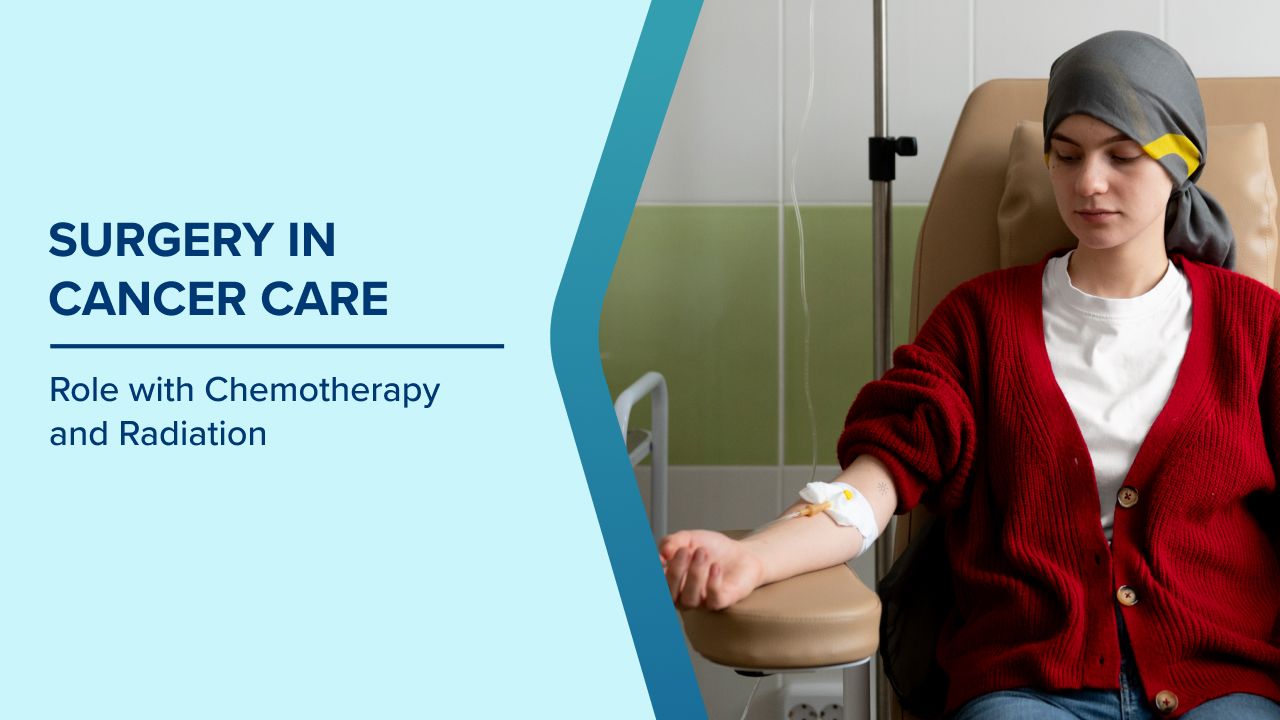
Call Us+91 926 888 0303Surgery in Cancer Care: Role with Chemotherapy and Radiation
By Dr. Nagender Sharma in Medical Oncology , Cancer Care / Oncology , Uro-Oncology , Breast Cancer , Thoracic Oncology
Mar 18 , 2026
1

When someone hears the word cancer, the first thought is often about treatment. Many people assume that therapy means either surgery, medicines, or radiation. In reality, cancer care today is rarely built around just one approach. Doctors often recommend a carefully planned combination of treatments to improve outcomes and reduce the chance of the disease returning.
This is where the role of surgery alongside chemotherapy and radiation becomes especially important. Instead of working separately, these treatments often support each other as part of a combined cancer treatment strategy. Understanding how they fit together can help patients feel more informed and confident about their care plan.
Why Surgery Remains Central in Cancer Treatment
Surgery continues to play a key role in surgical oncology because it directly removes visible disease from the body. In many solid tumours, physically removing the mass remains one of the most effective ways to reduce cancer burden.
Tumour removal surgery may aim to:
- Eliminate the primary growth
- Assess nearby tissues or lymph nodes
- Relieve symptoms caused by pressure or obstruction
- Improve the effectiveness of other treatments
In modern cancer treatment planning, surgery is rarely viewed as a standalone solution. Instead, it is part of a broader strategy designed to address both visible and microscopic disease.
Advances in surgical techniques, imaging guidance, and perioperative care have made procedures more precise and recovery more structured. As a result, cancer surgery benefits extend beyond removal alone. It often sets the stage for additional therapies to work more effectively.
How Surgery Works Alongside Chemotherapy
In many cases, chemotherapy and surgery are closely connected. The timing of each depends on the type of cancer, its location, and the overall health of the patient.
Surgery After Pre-Treatment
Sometimes chemotherapy is given before an operation. This approach, often referred to as neoadjuvant therapy, is used to shrink a tumour and make it easier to remove. It may also help define how aggressive the cancer is based on its response to treatment.
When chemotherapy is used first, surgery becomes more targeted. The surgeon may be able to preserve more healthy tissue while still achieving complete removal.
Surgery Followed by Systemic Treatment
In other situations, surgery is performed first to remove the main tumour. Chemotherapy is then given afterwards, which is known as adjuvant therapy. The goal is not to treat what is visible, but to address cells that may have spread beyond the surgical site.
This sequence allows doctors to tackle cancer from two directions:
- Physical removal of known disease
- Medical treatment of potentially hidden cells
This layered strategy forms the foundation of multimodal cancer therapy. It aims to reduce the risk of recurrence while improving long-term disease control.
How Surgery Complements Radiation Therapy
Radiation therapy is a local treatment, much like surgery. Both focus on a specific area of the body. When used together, they can enhance precision and effectiveness.
Radiation Before Surgery
In certain cancers, radiation may be delivered before surgery to reduce tumour size. This can make the operation less extensive and sometimes improve surgical margins. By shrinking the tumour in advance, surgeons may be able to remove it more cleanly.
Radiation After Surgery
In other cases, radiation is used after tumour removal surgery. Even when a tumour appears completely removed, microscopic cells may remain in the surrounding area. Radiation helps reduce the likelihood that these cells grow back.
The combined use of surgery and radiation is often carefully timed. Doctors consider wound healing, tissue recovery, and overall treatment tolerance before deciding the order.
The Strength of a Multimodal Cancer Therapy Approach
Cancer does not behave the same way in every person. Some tumours grow quickly. Others spread silently. Because of this variation, relying on a single treatment may not always provide the best outcome.
A combined cancer treatment approach allows doctors to:
- Attack cancer at different stages of its growth
- Address both local and systemic disease
- Customise therapy based on tumour biology
- Adapt the plan if the disease response changes
Multimodal cancer therapy is not about adding more treatment for the sake of it. It is about using the right tools in the right sequence.
For example, a patient with a locally advanced tumour may benefit from:
- Pre-treatment chemotherapy
- Precise surgical removal
- Targeted radiation to the surgical site
Each step serves a distinct purpose within the overall plan.
How Doctors Plan Combined Cancer Treatment
Creating an effective cancer treatment planning strategy requires coordination. Decisions are rarely made by one specialist alone.
A treatment plan typically considers:
- Tumour size and location
- Involvement of nearby structures
- Overall physical fitness
- Organ function
- Personal goals and preferences
Surgical oncologists, medical oncologists, and radiation oncologists work together to design a plan that balances effectiveness with safety.
Key planning principles include:
- Sequencing treatments to maximise benefit
- Minimising overlapping side effects
- Allowing proper recovery time between therapies
- Adjusting plans if the tumour response changes
Personalised cancer care means no two treatment journeys look identical. Even patients with the same diagnosis may receive different combinations depending on their unique circumstances.
Recovery When Treatments Are Combined
One common concern is how recovery feels when surgery is paired with chemotherapy or radiation. Understandably, patients worry about fatigue, healing time, and daily functioning.
Recovery in a combined treatment plan is structured in phases:
Surgical Recovery Phase
Immediately after surgery, the focus is on wound healing, mobility, and regaining strength. Nutritional support and physical activity guidance play a major role during this period.
Transition Phase
Before starting additional treatment, doctors assess the progress of healing. Blood counts, imaging, and physical evaluation help determine readiness.
Systemic or Radiation Phase
When chemotherapy or radiation follows surgery, supportive care becomes essential. Hydration, balanced nutrition, and symptom management help maintain strength throughout therapy.
The cancer recovery process is not only physical. Emotional resilience, family support, and mental well-being contribute significantly to successful outcomes.
Clear communication between patients and healthcare providers ensures that side effects are addressed promptly and adjustments are made when necessary.
Common Misconceptions About Combined Treatment
Some people believe that if surgery removes the tumour, further treatment is unnecessary. Others assume that combining therapies automatically increases risk beyond acceptable limits.
In reality:
- Additional therapy is recommended based on risk assessment, not routine practice.
- Careful timing reduces complications.
- Modern surgical techniques allow smoother transitions to other treatments.
- Each step is chosen with a specific purpose.
Understanding this coordination helps patients feel more confident in their treatment journey.
The Bigger Picture in Personalised Cancer Care
The future of cancer care lies in individualised planning. Surgery remains a cornerstone, but its true strength is revealed when integrated thoughtfully with chemotherapy and radiation.
Rather than viewing these treatments as separate paths, modern oncology sees them as complementary tools. Together, they create a structured and strategic response to a complex disease.
For many patients, this integrated approach improves disease control, preserves function, and supports long-term stability.
Conclusion
The role of surgery alongside chemotherapy and radiation is not about choosing one treatment over another. It is about building a coordinated plan that addresses cancer from multiple angles.
Through careful cancer treatment planning, tumour removal surgery can work in harmony with systemic and local therapies. This combined cancer treatment strategy allows doctors to manage visible disease, reduce hidden risks, and support the overall cancer recovery process.
When guided by experienced specialists and tailored to individual needs, multimodal cancer therapy offers a balanced and structured path forward. Understanding how these treatments connect empowers patients to actively participate in their care and move forward with clarity and confidence.
Frequently Asked Questions
1. How long should someone wait between surgery and starting chemotherapy or radiation?
The gap varies depending on the progress of healing and overall health. Doctors usually ensure that wounds have healed properly and strength has returned before beginning the next phase of treatment.
2. Can a patient request changes to the treatment sequence?
Yes, patients can discuss preferences and concerns with their care team. While medical recommendations are based on safety and effectiveness, shared decision-making is encouraged.
3. Is it possible to continue working during combined cancer treatment?
Some people continue part-time work depending on the type of job and how they feel physically. Flexible schedules and employer support can make a difference. Each case is individual.
4. Should patients consider getting a second opinion before starting a combined plan?
Seeking a second opinion is common and often helpful. It can provide reassurance, clarify options, and strengthen confidence in the chosen approach.
5. How can families best support someone undergoing multiple treatments?
Practical support, such as transportation, meal preparation, and appointment coordination, is valuable. Emotional encouragement and open communication are equally important during the journey.
Written and Verified by:

Related Blogs


Dr. Meenu Walia In Medical Oncology , Cancer Care / Oncology
Aug 02 , 2016 | 4 min read
Blogs by Doctor

Chemotherapy 101: Essential Information for Patients and Caregivers
Dr. Nagender Sharma In Medical Oncology
Oct 24 , 2024 | 11 min read

Most read Blogs


Related Blogs
Dr. Meenu Walia In Medical Oncology , Cancer Care / Oncology
Aug 02 , 2016 | 4 min read
Blogs by Doctor
Chemotherapy 101: Essential Information for Patients and Caregivers
Dr. Nagender Sharma In Medical Oncology
Oct 24 , 2024 | 11 min read
Most read Blogs