 WhatsApp Us (24/7)
 +91 926 888 0303 (24/7)


To Book an Appointment
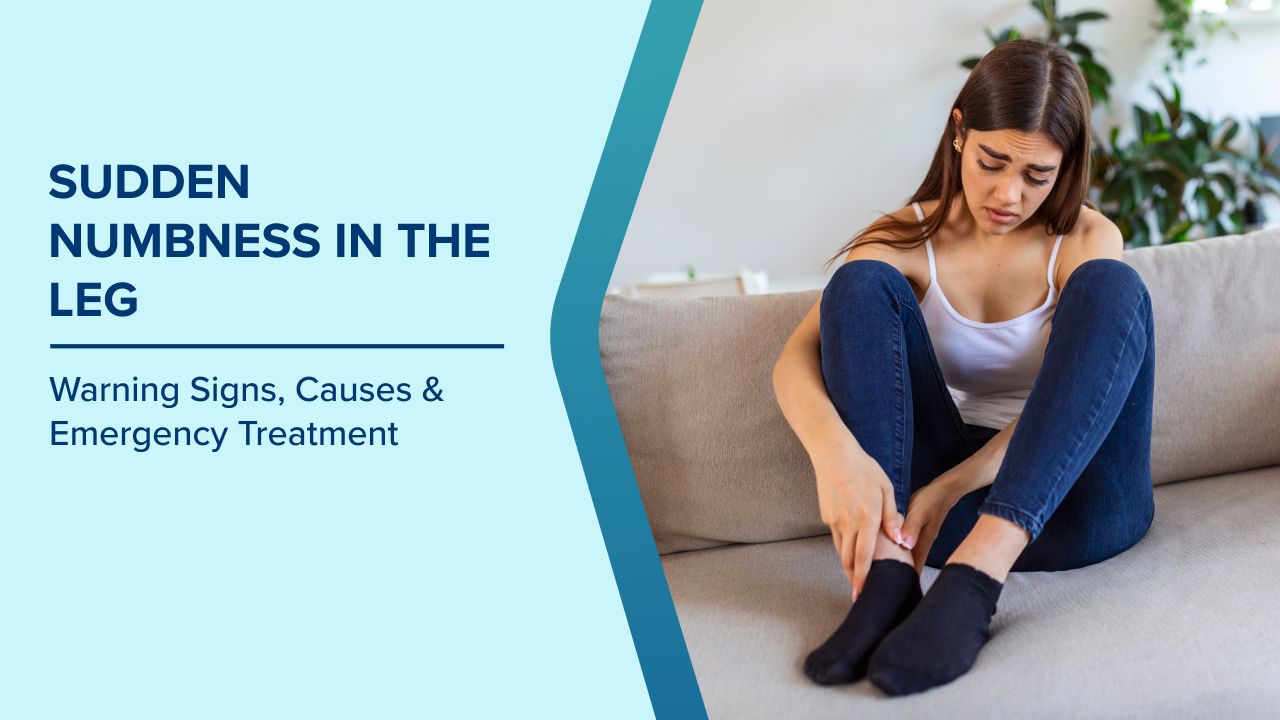
Call Us+91 926 888 0303Sudden Numbness in the Leg: Warning Signs, Causes & Emergency Treatment
By Dr Bhupesh Garg in Vascular Surgery
Jun 01 , 2026

Sudden numbness in the leg or an unexpected cold sensation should never be ignored, especially if symptoms appear suddenly or worsen quickly. Coldness in the leg may indicate reduced blood flow, blocked arteries, nerve damage, or a vascular emergency that requires immediate medical attention. In some cases, poor circulation symptoms can lead to tissue damage or permanent complications if treatment is delayed. A leg numbness emergency may also occur due to blood clots, stroke, or severe nerve compression. Recognising warning signs early can help prevent serious complications of the circulatory and nervous systems.
What Does Sudden Coldness or Numbness in the Leg Mean?
Temporary numbness can occur when pressure is applied to a nerve for a short time, such as sitting awkwardly or crossing the legs for too long. This usually improves within minutes after movement returns.
However, sudden cold leg symptoms or persistent numbness may signal a more serious medical problem involving:
- Blood circulation
- Nerve function
- Arterial blockage
- Neurological conditions
Healthy blood flow delivers oxygen and nutrients to the legs. At the same time, nerves transmit sensation and control muscles. When circulation or nerve signals become disrupted, symptoms such as coldness, tingling, weakness, or numbness may develop.
Common Causes of Sudden Coldness or Numbness in the Leg
Several medical conditions may cause leg numbness, ranging from mild nerve irritation to serious vascular emergencies.
Poor Blood Circulation
Poor circulation in the legs occurs when blood flow becomes reduced due to narrowed or damaged blood vessels. Reduced circulation may cause:
- Cold leg symptoms
- Tingling sensations
- Muscle cramps
- Leg fatigue
- Pale or bluish skin
Circulation problems may gradually worsen over time, especially in smokers and people with diabetes or high blood pressure.
Peripheral Artery Disease (PAD)
Peripheral artery disease symptoms develop when fatty deposits narrow the arteries supplying blood to the legs. Reduced oxygen supply may lead to:
- Leg pain while walking
- Cold feet and numb legs
- Weak pulses in the legs
- Slow wound healing
- Skin discoloration
PAD increases the risk of serious circulation complications if blood flow becomes severely blocked.
Blood Clots
Leg blood clot symptoms may sometimes become a medical emergency, especially if circulation is suddenly blocked. Warning signs may include:
- Sudden severe pain
- Swelling
- Warmth or redness
- One cold leg
- Rapidly worsening numbness
Clots may reduce oxygen delivery to tissues and increase the risk of permanent damage if left untreated.
Nerve Compression or Sciatica
Nerve compression symptoms often occur when pressure affects nerves in the lower back or legs. Sciatica commonly causes:
- Tingling down the leg
- Burning pain
- Weakness
- Numbness
- Sharp shooting pain
Unlike circulation-related problems, nerve-related symptoms may worsen with certain movements or positions.
Diabetes-Related Nerve Damage
Diabetic neuropathy occurs when long-term high blood sugar damages nerves. Common symptoms include:
- Numbness in the feet or legs
- Burning sensations
- Reduced sensation
- Weakness
- Balance problems
People with diabetes may develop poor circulation in their legs and nerve damage at the same time, increasing the risk of complications.
Stroke or Neurological Conditions
Sudden one-sided leg numbness may sometimes indicate a stroke or neurological emergency. Warning signs include:
- Sudden weakness
- Facial drooping
- Difficulty speaking
- Loss of balance
- Numbness spreading quickly
Immediate emergency care is critical if neurological symptoms occur suddenly.
Warning Signs That Need Immediate Medical Attention
Certain symptoms may suggest severe circulation problems or nerve emergencies. Seek urgent medical care if sudden numbness in the leg occurs with:
- Sudden cold leg
- Severe leg pain
- Blue, pale, or dark skin colour
- Swelling
- Inability to move the leg
- Weak or absent pulse
- Rapidly spreading numbness
- Difficulty walking
- Chest pain or breathing problems
- Sudden weakness on one side of the body
These symptoms may indicate a blocked artery, severe blood flow restriction, or a neurological emergency requiring immediate treatment.
Cold Leg vs Temporary "Pins and Needles": Key Differences
Many people occasionally experience temporary numbness or "pins and needles" after sitting in one position too long. Temporary numbness usually:
- Improves quickly
- Resolves after movement
- Does not involve severe pain
- Does not change skin colour
Dangerous circulation-related symptoms are more concerning when:
- The leg suddenly becomes cold
- Symptoms persist or worsen
- Pain becomes severe
- Skin appears pale or bluish
- Movement becomes difficult
Persistent cold leg symptoms should not be dismissed as simple numbness.
How Doctors Diagnose the Cause
Doctors use several tests to identify the cause of leg circulation problems or numbness. Evaluation often includes:
- Physical examination
- Pulse assessment
- Skin temperature comparison
- Neurological testing
Diagnostic tests may include:
- Doppler ultrasound
- Blood flow studies
- CT angiography
- MRI scans
- Nerve conduction studies
- Blood tests
These tests help determine whether symptoms are related to circulation problems, nerve compression, or other medical conditions.
Treatment Options Depending on the Cause
Treatment depends on the underlying reason for sudden numbness or coldness in the leg.
Medications
Doctors may prescribe:
- Blood thinners
- Cholesterol-lowering medications
- Blood pressure medicines
- Circulation-improving medications
These treatments may help improve blood flow and reduce the risk of clots.
Lifestyle Changes
Healthy lifestyle changes can improve circulation and lower long-term vascular risk. Helpful steps include:
- Quitting smoking
- Regular physical activity
- Managing diabetes
- Maintaining a healthy weight
- Controlling blood pressure
- Eating a heart-healthy diet
Lifestyle improvements play an important role in preventing symptoms of poor circulation.
Emergency Procedures
Severe symptoms of a blocked artery may require emergency treatment. Possible procedures include:
- Clot removal
- Angioplasty
- Vascular surgery
- Stent placement
Prompt treatment helps restore blood flow and reduce the risk of tissue damage.
Nerve-Related Treatments
If symptoms result from nerve compression, treatment may include:
- Physiotherapy
- Anti-inflammatory medications
- Posture correction
- Pain management
- Exercise programs
Severe nerve compression may occasionally require surgery.
Why Delaying Treatment Can Be Dangerous
Ignoring sudden coldness in the leg or severe numbness can lead to serious complications. Reduced blood supply may eventually cause:
- Tissue damage
- Skin ulcers
- Muscle injury
- Permanent nerve damage
- Loss of limb function
In severe cases, untreated arterial blockage may increase the risk of amputation. Early diagnosis and treatment significantly improve recovery outcomes.
How to Reduce the Risk of Circulation Problems
Healthy circulation habits may help reduce the risk of vascular disease and emergency leg numbness. Helpful prevention strategies include:
- Keeping blood sugar under control
- Staying physically active
- Managing cholesterol levels
- Avoiding smoking
- Maintaining healthy blood pressure
- Eating balanced meals
- Staying hydrated
Regular medical checkups may also help identify circulation problems early.
When Should You See a Doctor?
Medical evaluation is important if:
- Symptoms last more than a few minutes
- Numbness keeps returning
- Walking causes pain
- One leg feels suddenly cold
- Symptoms worsen quickly
- Weakness develops
- Skin colour changes appear
- Swelling occurs
Knowing when leg numbness is serious may help prevent serious complications to circulation or nerves. Seek emergency care immediately if symptoms suddenly appear or significantly affect movement and sensation.
Conclusion
Sudden coldness or numbness in the leg should never be ignored, especially when symptoms appear suddenly, worsen rapidly, or occur with pain, swelling, or changes in skin colour. These symptoms may indicate poor circulation in the legs, blocked arteries, nerve compression, blood clots, or serious neurological conditions. Early medical evaluation is important because delayed treatment can lead to tissue damage, permanent nerve injury, or severe circulation complications. Fortunately, many circulation and nerve-related conditions can be managed effectively when diagnosed early. Recognising warning signs quickly may help protect mobility, circulation, and long-term leg health.
Frequently Asked Questions
1. Can anxiety cause numbness in the legs?
Yes, anxiety and panic attacks may sometimes cause temporary tingling or numbness due to changes in breathing and muscle tension. However, persistent or sudden severe symptoms still require medical evaluation.
2. Is one cold leg more serious than both legs feeling cold?
One cold leg is generally more concerning because it may indicate blocked blood flow or an arterial problem affecting one side of the body.
3. Can dehydration affect blood circulation in the legs?
Severe dehydration may temporarily reduce blood volume and worsen circulation, especially in people with underlying vascular conditions.
4. Does leg numbness always mean poor circulation?
No, leg numbness may also occur due to nerve compression, sciatica, diabetes-related nerve damage, or neurological conditions.
5. Can sitting too long cause temporary leg numbness?
Yes, sitting in one position for prolonged periods may temporarily compress nerves or slightly reduce circulation, causing temporary "pins and needles."
6. Is leg numbness during sleep dangerous?
Occasional numbness from sleeping position is usually harmless. However, repeated numbness, weakness, or persistent coldness should be evaluated by a physician.
Written and Verified by:

Related Blogs

Dr. Digvijay Sharma In Vascular Surgery
Jul 08 , 2016 | 3 min read

Dr. Kumud Rai In Cardiac Sciences , Vascular Surgery
Nov 03 , 2016 | 2 min read
Blogs by Doctor
Why Your Fingers Turn White in Winter: Everyday Triggers Behind Raynaud’s Flare-Ups
Dr Bhupesh Garg In Vascular Surgery
Dec 11 , 2025 | 5 min read
Most read Blogs


Related Blogs
Dr. Digvijay Sharma In Vascular Surgery
Jul 08 , 2016 | 3 min read
Dr. Kumud Rai In Cardiac Sciences , Vascular Surgery
Nov 03 , 2016 | 2 min read
Blogs by Doctor
Why Your Fingers Turn White in Winter: Everyday Triggers Behind Raynaud’s Flare-Ups
Dr Bhupesh Garg In Vascular Surgery
Dec 11 , 2025 | 5 min read
Most read Blogs