 WhatsApp Us (24/7)
 +91 926 888 0303 (24/7)


To Book an Appointment
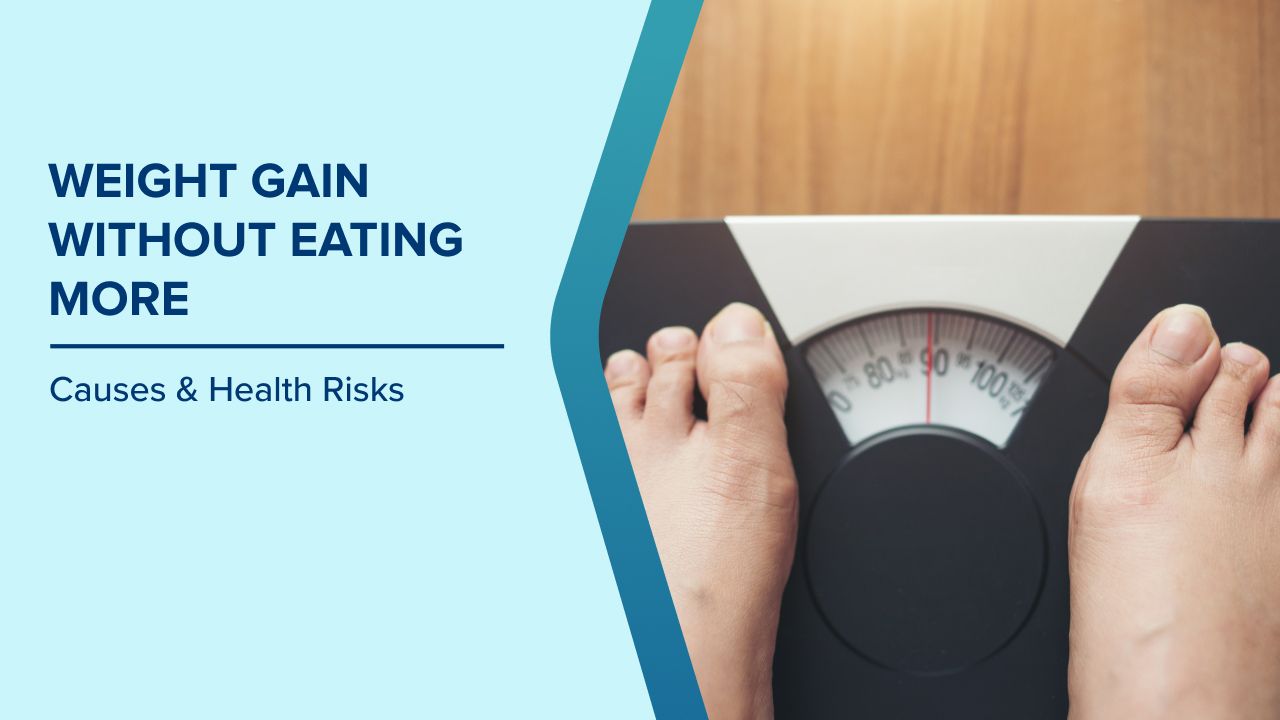
Call Us+91 926 888 0303Weight Gain Without Eating More: Causes & Health Risks
By Dr. Ashish Gautam in General Surgery , Laparoscopic / Minimal Access Surgery , Bariatric Surgery / Metabolic , Robotic Surgery
Apr 11 , 2026

Many people are surprised to notice unexplained weight gain even when their eating habits have not changed. This can feel frustrating and confusing, but it often has underlying medical or physiological causes. Sudden weight gain may be linked to hormonal imbalances, a metabolism slowdown, stress, or hidden health conditions. Understanding the real causes of weight gain beyond calorie intake is essential. If weight increases without a clear reason, it is important to pay attention and seek timely medical evaluation to identify and address the root cause.
What Is Unexplained Weight Gain?
Unexplained weight gain refers to an increase in body weight that occurs without increased food intake or reduced physical activity. Unlike gradual, expected weight gain, this type often:
- Happens suddenly or over a short period
- Does not match lifestyle habits
- May be linked to internal body changes
It can be a sign that something within the body, such as hormones or metabolism, is not functioning normally.
Why Weight Gain Can Happen Without Eating More
Weight is not controlled solely by food intake. Several internal processes influence how the body stores and uses energy.
- Hormones regulate fat storage and appetite
- Metabolism determines how efficiently calories are burned
- Fluid balance affects body weight
- Stress and sleep influence metabolic function
Common Causes of Unexplained Weight Gain
Hormonal Imbalance
Hormones play a major role in regulating body weight.
- An estrogen imbalance can lead to fat accumulation, especially in women
- Cortisol (stress hormone) promotes abdominal fat storage
- Insulin imbalance affects how the body stores sugar as fat
Thyroid Disorders
The thyroid gland controls metabolism. When it slows down (hypothyroidism):
- Calorie burning decreases
- Fat accumulation increases
- Weight gain occurs despite normal eating
Slow Metabolism
A metabolism slowdown can happen due to:
- Aging
- Loss of muscle mass
- Reduced physical activity
Insulin Resistance
In insulin resistance:
- Cells do not respond properly to insulin
- Blood sugar levels rise
- Excess glucose is stored as fat
Stress and Cortisol
Chronic stress affects the body in multiple ways.
- Increased cortisol levels
- Higher fat storage, especially belly fat
- Changes in appetite and cravings
Poor Sleep Patterns
Sleep plays a critical role in weight regulation.
- Disrupted sleep affects hunger hormones
- Leads to increased fat storage
- Reduces energy levels and activity
Water Retention and Bloating
Sometimes, weight gain is due to fluid retention rather than fat.
- Hormonal fluctuations
- High salt intake
- Certain medical conditions
Medications
Some medications can lead to weight gain as a side effect.
- Antidepressants
- Steroids
- Hormonal therapies
Signs That Weight Gain May Be Hormonal or Medical
Certain symptoms suggest that weight gain may not be lifestyle-related:
- Persistent fatigue
- Irregular menstrual cycles
- Hair thinning or hair loss
- Swelling in the body
- Mood changes
When to Be Concerned About Weight Gain
Seek medical advice if you notice:
- Rapid or sudden weight gain
- Weight gain without dietary changes
- Associated symptoms like fatigue or swelling
- Difficulty losing weight despite efforts
Health Risks of Unexplained Weight Gain
Ignoring unexplained weight gain can lead to serious health issues:
- Type 2 diabetes
- Heart disease
- Hormonal disorders
- Metabolic syndrome
How Doctors Evaluate Unexplained Weight Gain
Medical evaluation helps identify the root cause. Doctors may use:
- Detailed medical history
- Physical examination
- Blood tests (thyroid, sugar, hormones)
- Imaging tests if required
Can Unexplained Weight Gain Be Reversed?
In many cases, yes, but it depends on the cause.
- Hormonal imbalances can be treated
- Thyroid disorders can be managed
- Lifestyle factors can be modified
Healthy Lifestyle Changes That Can Help
While addressing the underlying cause is crucial, certain lifestyle measures support overall health:
- Balanced and nutrient-rich diet
- Regular physical activity
- Stress management techniques
- Consistent sleep schedule
Conclusion
Unexplained weight gain can occur even without changes in diet and is often linked to deeper hormonal, metabolic, or medical factors. Understanding the true causes of weight gain is essential to address the issue effectively. Ignoring these changes may increase the risk of long-term health problems. Early evaluation, proper diagnosis, and appropriate lifestyle adjustments can help manage weight and improve overall health outcomes. If weight gain seems unusual or persistent, seeking medical guidance is the most important step toward better health.
Frequently Asked Questions
Can weight gain happen without overeating?
Yes, hormonal changes, metabolism slowdown, and medical conditions can cause weight gain without increased food intake.
How fast can unexplained weight gain occur?
It can happen over weeks or months, depending on the underlying cause, such as hormonal imbalance or fluid retention.
Can a hormonal imbalance cause sudden weight gain?
Yes, hormones like cortisol, insulin, and estrogen can significantly affect fat storage and lead to rapid weight gain.
Is unexplained weight gain always serious?
Not always, but it should not be ignored, especially if it is persistent or associated with other symptoms.
Can stress alone cause weight gain?
Yes, chronic stress increases cortisol levels, which can promote fat storage, particularly around the abdomen.
Which hormone is responsible for weight gain?
Several hormones, including insulin, cortisol, thyroid hormones, and estrogen, play roles in weight regulation.
Written and Verified by:

Related Blogs

Medical Expert Team
Oct 20 , 2015 | 1 min read
Dr. Vishwas Sharma In General Surgery
Apr 23 , 2015 | 1 min read
Blogs by Doctor
Most read Blogs


Related Blogs
Medical Expert Team
Oct 20 , 2015 | 1 min read
Dr. Vishwas Sharma In General Surgery
Apr 23 , 2015 | 1 min read
Blogs by Doctor
Most read Blogs