 WhatsApp Us (24/7)
 +91 926 888 0303 (24/7)


To Book an Appointment
Call Us+91 926 888 0303What is Childhood Obesity: The Role of Processed Food and Screen Habits
By Dr (Prof) Atul N.C. Peters in General Surgery , Laparoscopic / Minimal Access Surgery , Bariatric Surgery / Metabolic , Department of General Surgery and Robotics
Dec 18 , 2025 | 13 min read

Childhood obesity has become one of the most pressing health concerns in the modern world, affecting millions of children worldwide. While the causes are complex and varied, increasing consumption of processed foods and the dramatic rise in screen time among young people stand out as major contributors. Together, these create an environment where unhealthy weight gain becomes much more likely, making it important for families to understand the impact and explore ways to encourage healthier routines. In this blog, we'll break down how processed foods and screen habits contribute to childhood obesity, and more importantly, what we can do about it.
What is Childhood Obesity and How is it Different from Being Overweight?
Childhood obesity is a medical condition where a child has excess body fat that can affect their health. It is measured using the Body Mass Index (BMI) for children, which takes into account their age and gender.
A child is considered overweight when their BMI is above the healthy range but below the obesity threshold. In contrast, a child is classified as obese when their BMI is significantly higher, indicating a greater risk of health problems such as diabetes, high blood pressure, and heart issues.
What are the Short- and Long-Term Health Risks Associated with Childhood Obesity?
Childhood obesity carries a range of serious health risks that affect a child both in the immediate future and much later in life. These include:
Short-Term Health Risks
- High Blood Pressure and Cholesterol: Extra body fat can strain the heart and blood vessels, causing high blood pressure and elevated cholesterol levels. These conditions can develop even in children and increase the risk of heart problems early in life.
- Breathing Difficulties: Obese children are more likely to experience sleep apnoea, asthma, or difficulty breathing during physical activity. These issues can affect energy levels, sleep quality, and overall daily functioning.
- Joint and Bone Issues: Carrying excess weight puts pressure on growing bones and joints, which can lead to pain, discomfort, and difficulty participating in sports or other physical activities.
- Emotional and Social Challenges: Children struggling with obesity may face teasing, bullying, or social isolation. This can lead to low self-esteem, anxiety, or depression, affecting their emotional development.
Long-Term Health Risks
- Type 2 Diabetes: Childhood obesity increases the risk of insulin resistance, which can lead to type 2 diabetes. Developing diabetes at a young age can have serious implications for overall health and require lifelong management.
- Heart Disease: Obese children are at higher risk of heart-related conditions later in life, including high blood pressure, high cholesterol, and other cardiovascular issues. Early obesity can set the stage for heart disease in adulthood.
- Certain Cancers: Long-term obesity has been linked to a higher risk of developing cancers such as colon, kidney, and liver cancer, partly due to prolonged inflammation and metabolic changes in the body.
- Continued Obesity into Adulthood: Children who are obese are more likely to remain obese as adults, carrying forward the risk of chronic health problems like diabetes, heart disease, and joint issues. This can affect quality of life and life expectancy.
How Does Processed Food Contribute to Childhood Obesity?
Processed food has become so common and popular in every household because it is ready-to-eat, affordable, and heavily marketed. However, these foods often do more harm than good, as they are designed for taste and convenience rather than nutrition. Several factors make processed food a major driver of childhood obesity.
1. High in Calories and Unhealthy Fats
Many processed foods, such as chips, fried snacks, fast food, and packaged desserts, are calorie-dense. This means children can consume a large number of calories in just a small serving. These foods are often prepared with saturated fats or trans fats, which are stored in the body and contribute to unhealthy weight gain.
2. Excess Sugar and Sweetened Drinks
Sugary drinks, flavoured yoghurts, breakfast cereals, and packaged sweets contain high amounts of added sugar. These cause rapid spikes and drops in blood sugar, leading to increased hunger and cravings soon after eating. Over time, this cycle encourages overeating and fat storage in the body.
3. High Salt Content
Processed meals, snacks, and sauces often have more salt than the body needs. Too much salt can affect metabolism and may lead to water retention and higher blood pressure in children. It also conditions the taste buds to prefer salty foods, reducing the interest in healthier options.
4. Low in Nutrients and Fibre
Unlike fresh fruits, vegetables, and whole grains, processed foods are usually low in fibre, vitamins, and minerals. Fibre plays an important role in digestion and helps children feel full for longer. Without it, children tend to eat larger portions or snack more frequently, which leads to excess calorie intake.
5. Encourages Overeating
Processed foods are manufactured to be highly palatable, with flavours and textures that make them hard to resist. Bright packaging, cartoon characters, and advertisements specifically aimed at children increase their appeal. This not only promotes frequent snacking but also creates habits of preferring unhealthy foods over nutritious ones.
How Do Screen Habits Contribute to Weight Gain in Children?
Screens are now a part of every child’s life, from tablets and smartphones to computers and TVs. With technology comes real benefits, it can support learning and provide entertainment, but too much screen use has been closely linked to weight gain. This happens not just because of the time spent sitting still, but also due to the habits and behaviours that come along with it. These include:
1. Reduced Physical Activity
When children spend hours watching shows or playing games, they are missing out on active play. Activities like running, cycling, or even simple outdoor games are essential for burning energy and keeping the body fit. Replacing these with sedentary screen time means fewer calories are used, leading to an energy imbalance that contributes to weight gain.
2. Mindless Snacking
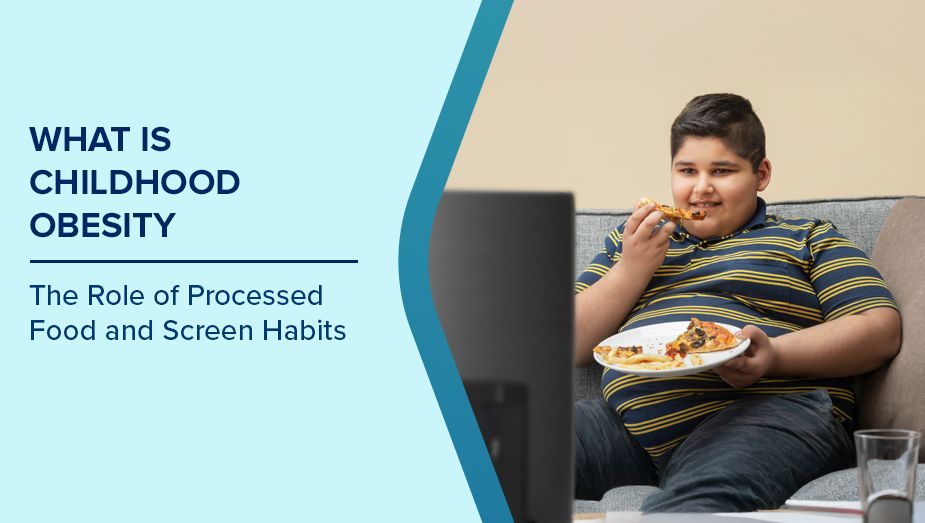
Screens and snacking often go hand in hand. Children may eat chips, sweets, or fast food while watching television or scrolling on their phones, often without noticing how much they are consuming. On top of this, food advertisements that frequently appear during programmes or online videos encourage cravings for sugary and salty snacks, making children more likely to reach for unhealthy options.
3. Disrupted Sleep Patterns
Using screens late into the evening can interfere with sleep. The bright light from devices delays the release of melatonin, the hormone that helps the body prepare for sleep. Poor or shortened sleep affects appetite-regulating hormones, increasing hunger and cravings for high-calorie foods the next day. Over time, this cycle of poor sleep and overeating contributes to obesity.
4. Exposure to Food Marketing
Children are a key target audience for food companies. Advertisements for fast food, sugary drinks, and processed snacks are common on television and digital platforms. Constant exposure influences children’s food preferences and normalises unhealthy eating, making them more likely to ask for or choose these foods regularly.
5. Formation of Sedentary Habits
Extended screen use also shapes long-term behaviour. When children grow used to spending their free time sitting in front of a screen, active hobbies take a back seat. This preference for sedentary activities continues as they grow older, making it harder to balance calorie intake and output, and increasing the chances of obesity in both childhood and adulthood.
In these ways, screen habits do more than just keep children sitting still. They change eating patterns, affect sleep, and shape preferences that all add up to unhealthy weight gain.
What Other Factors Can Lead to Childhood Obesity?
Beyond diet and screen use, several other aspects of a child’s life, ranging from how active they are to their family history, can also increase the likelihood of obesity. These are:
Lack of Physical Activity
Beyond screen time, many children today have fewer opportunities for outdoor play and exercise. Busy school schedules, homework, limited playground spaces, and safety concerns in some neighbourhoods mean children may spend more time indoors. This reduces energy expenditure and contributes to weight gain.
Unhealthy Eating Patterns at Home
Family eating habits play a large role in shaping a child’s diet. Skipping breakfast, relying on takeaway meals, frequent consumption of sugary drinks, or oversized portions can all encourage excessive calorie intake. When unhealthy foods are more available than nutritious ones at home, children are more likely to develop poor eating patterns.
Genetics and Family History
Children with parents or close relatives who are overweight or obese may be more likely to face the same challenge. Genetics can influence how the body stores fat, metabolism, and appetite. While genes alone do not cause obesity, they can make some children more vulnerable in environments where unhealthy food and sedentary behaviour are common.
Sleep Patterns
Beyond screen-related sleep issues, inconsistent bedtimes and not getting enough sleep overall can affect a child's weight. When children don't get adequate rest, their bodies produce more of the hormone that signals hunger and less of the hormone that signals fullness, leading to increased appetite and cravings for high-calorie foods.
Stress and Emotional Well-being
Children experience stress too, whether from school pressures, family changes, or social challenges. Some children cope with difficult emotions by eating, particularly turning to comfort foods that are often high in sugar and fat. Emotional eating can become a pattern that contributes to weight gain over time.
Tips to Help Prevent Childhood Obesity
Preventing childhood obesity doesn't require drastic changes or perfect habits. It's about making small, sustainable adjustments that fit into your family's daily life. Here are practical strategies that can make a real difference.
1. Make Home-Cooked Meals a Priority
Cooking at home gives you control over ingredients and portion sizes. It doesn't have to be complicated. Simple meals with whole ingredients are often the healthiest. Involve children in meal planning and preparation when possible. They're more likely to try new foods when they've helped make them, and it teaches valuable life skills too.
2. Keep Healthy Snacks Accessible
Stock your kitchen with nutritious options that are easy to grab: fresh fruit, cut vegetables with hummus, yogurt, nuts, or whole-grain crackers. When healthy choices are visible and convenient, children are more likely to reach for them. Save treats and processed snacks for occasional enjoyment rather than everyday staples.
3. Establish Screen Time Limits
Set clear boundaries around screen use that work for your family. The American Academy of Pediatrics suggests no more than one to two hours of recreational screen time per day for children. Create screen-free zones, especially during meals and before bedtime. Use timers or parental controls if needed to help enforce these limits consistently.
4. Encourage Active Play Every Day
Children need at least 60 minutes of physical activity daily, but it doesn't have to happen all at once. Break it into smaller chunks like a bike ride after school, a dance party before dinner, or a family walk after meals. Focus on activities that feel like fun rather than exercise. Let children choose activities they enjoy, whether that's sports, dancing, swimming, or simply playing at the park.
5. Create a Consistent Sleep Routine
Establish regular bedtimes and wake times, even on weekends. A calming bedtime routine like reading together, taking a bath, or listening to quiet music helps signal that it's time to wind down. Ensure bedrooms are cool, dark, and free from screens to promote better sleep quality.
6. Eat Together as a Family
Regular family meals create opportunities for connection and model healthy eating habits. Turn off the TV and put away devices during meals so everyone can focus on food and conversation. Children who eat with their families tend to have better nutrition and healthier relationships with food.
7. Focus on Progress, Not Perfection
Don't aim for a complete overhaul overnight. Choose one or two changes to start with and build from there. Celebrate small victories, like trying a new vegetable or choosing outdoor play over screen time. If you have a less healthy day, that's okay. What matters is the overall pattern of choices over time.
8. Model the Behavior You Want to See
Children learn more from what we do than what we say. If they see you enjoying physical activity, choosing nutritious foods, and managing screen time responsibly, they're more likely to adopt these habits themselves. Make health a family value rather than something only the child needs to work on.
9. Stay Positive and Avoid Food Shaming
Never use food as a reward or punishment, and avoid labeling foods as "good" or "bad." This can create unhealthy associations with eating. Instead, talk about foods in terms of how they help our bodies. Some foods give us energy to play, some help us grow strong, and some are just for enjoying the taste. Keep the conversation positive and shame-free.
Consult Today
Childhood obesity is not always easy to talk about, let alone tackle it. It's about understanding the factors at play and knowing that even small, gradual changes can lead to big improvements in your child's health. If you are concerned about your child's weight or feel unsure about making these changes alone, speaking with a professional can provide the guidance you need. To get a detailed assessment and discuss a practical, family-focused plan, we encourage you to consult with a Paediatric Dietitian or a Paediatric Endocrinologist at Max Hospital. They can help you understand a child's specific nutrition needs, rule out any underlying health concerns, and create a personalized plan that actually works for your child and your family's lifestyle.
Frequently Asked Questions
Can childhood obesity be reversed, or is it permanent once it develops?
Absolutely, childhood obesity can be reversed. Children's bodies are still growing and developing, which makes them particularly responsive to positive lifestyle changes. With consistent healthy habits, many children can reach and maintain a healthy weight. The key is approaching it as a long-term lifestyle shift rather than a quick fix.
Should I talk to my child about their weight, or will that harm their self-esteem?
This is tricky, and it depends on your child's age and sensitivity. Instead of focusing conversations on weight or appearance, talk about feeling strong, having energy, and taking care of our bodies. Frame healthy changes as something the whole family is doing together, not something just your child needs to "fix." If your child brings up concerns about their body, listen without judgment and focus on health rather than looks.
Are there specific ages when children are more at risk for developing obesity?
Yes, there are critical periods. Early childhood (ages 2 to 6) and the transition into adolescence (ages 10 to 14) are times when children are particularly vulnerable to developing obesity. These are periods of rapid growth and changing eating patterns, making them important times to establish healthy habits.
My child is a picky eater and refuses most healthy foods. What can I do?
Picky eating is common and frustrating. Keep offering healthy options without pressure. It can take 10 to 15 exposures to a new food before a child accepts it. Let them see you enjoying these foods, involve them in cooking, and make mealtimes pressure-free. Avoid becoming a short-order cook by preparing one meal for the family. If pickiness is severe or affecting growth, consult your pediatrician.
Is it okay to restrict certain foods completely from my child's diet?
Complete restriction often backfires. When foods are totally off-limits, they become even more desirable, and children may overeat them when they get the chance. Instead, teach moderation. Let treats be part of a balanced diet in appropriate portions and frequencies. This helps children develop a healthier relationship with all types of food.
Can my child still participate in sports or physical activities if they're currently overweight?
Absolutely! Physical activity is beneficial for children of all sizes and is actually one of the best things an overweight child can do. Choose activities your child enjoys and that feel comfortable for them. Many children find success with swimming, cycling, dancing, or martial arts. The goal is movement and fun, not performance or competition.
Will my child outgrow this, or do I need to intervene now?
While some children do slim down as they grow taller, this isn't guaranteed. Waiting and hoping often allows unhealthy habits to become more entrenched and health risks to develop. Early intervention with gentle, positive changes is almost always the better approach. The habits you help establish now will benefit them for life.
How quickly should I expect to see results when we make changes?
Be patient. Healthy weight management for children is gradual. You might not see dramatic changes on the scale right away, and that's okay. Focus on non-scale victories like improved energy, better sleep, enhanced mood, or increased physical endurance. Sustainable change takes time, and quick results often aren't lasting results.
Written and Verified by:

Related Blogs

Medical Expert Team
Oct 20 , 2015 | 1 min read
Dr. Vishwas Sharma In General Surgery
Apr 23 , 2015 | 1 min read
Blogs by Doctor

Obesity counteracts bone growth in children and adolescents
Dr (Prof) Atul N.C. Peters In Bariatric Surgery / Metabolic
Nov 16 , 2020 | 3 min read

Myths About Bariatric Surgery!!!
Dr (Prof) Atul N.C. Peters In Bariatric Surgery / Metabolic
Nov 16 , 2020 | 5 min read
Most read Blogs


Related Blogs
Medical Expert Team
Oct 20 , 2015 | 1 min read
Dr. Vishwas Sharma In General Surgery
Apr 23 , 2015 | 1 min read
Blogs by Doctor
Obesity counteracts bone growth in children and adolescents
Dr (Prof) Atul N.C. Peters In Bariatric Surgery / Metabolic
Nov 16 , 2020 | 3 min read
Myths About Bariatric Surgery!!!
Dr (Prof) Atul N.C. Peters In Bariatric Surgery / Metabolic
Nov 16 , 2020 | 5 min read
Most read Blogs