 WhatsApp Us (24/7)
 +91 926 888 0303 (24/7)


To Book an Appointment
Call Us+91 926 888 0303Colonoscopy for Colon Cancer Screening: Benefits & Procedure
By Medical Expert Team
Mar 10 , 2026

The one colon cancer screening test that can actually prevent colon cancer is a colonoscopy. Unlike many cancer tests that only detect disease, colonoscopy can find and remove precancerous growths, called polyps, in the colon, before they turn into cancer. Colon cancer usually develops slowly over several years. When detected early, it is highly treatable and often curable.
Most average-risk adults should begin colorectal cancer screening at age 45, according to major health guidelines. Those with a family history or certain risk factors may need earlier testing. Colonoscopy remains the most effective way to prevent colon cancer because it identifies abnormal tissue and removes it during the same procedure. Early screening saves lives, often before symptoms ever appear.
What Is Colon Cancer?
Colon cancer, also called colorectal cancer when it involves the rectum, develops in the large intestine. It typically begins as small, noncancerous growths known as adenomatous polyps. Over time, some polyps can undergo tumour growth and transform into cancer. This process often takes 8–10 years, providing us with a critical window for prevention.
Key facts:
- Most colon cancers start as polyps in the colon
- Polyps may be benign initially
- Removing polyps prevents future cancer development
- Early-stage disease often has no symptoms
This slow progression is why screening is so powerful. Detecting polyps early means stopping cancer before it starts.
Why Colon Cancer Is Often Silent in Early Stages
One of the most dangerous aspects of colon cancer is that early disease usually causes no noticeable symptoms. Patients often ask about the symptoms of colon cancer in the early stages. The truth is, there may be none.
Waiting for warning signs can delay diagnosis until the cancer has advanced. By that point, treatment becomes more complex. Screening is essential because:
- Early tumours may not bleed
- Pain usually occurs late
- Bowel changes may be subtle
- Fatigue and weight loss often appear in advanced stages
This is why a proactive colon cancer screening test is recommended even when you feel completely well.
The One Test That Saves Lives: Colonoscopy
A colonoscopy is considered the gold standard for colorectal cancer screening.
What Is It?
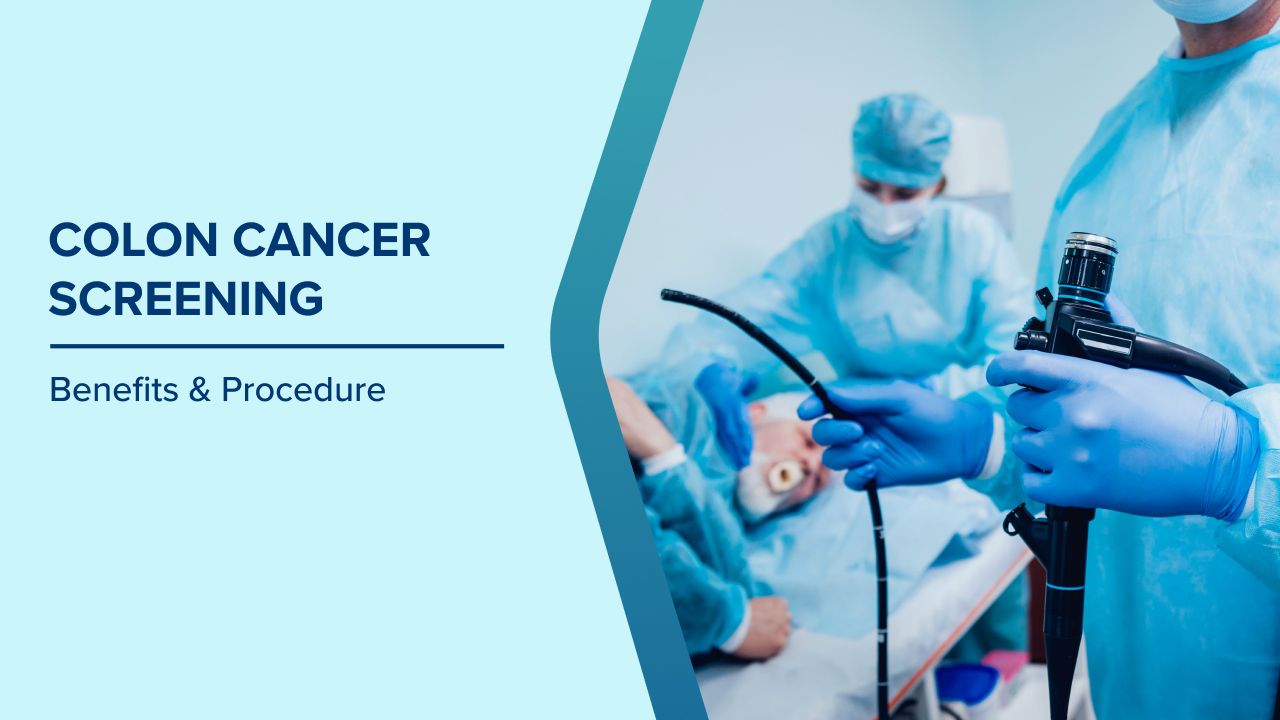
A colonoscopy is a procedure in which a thin, flexible tube with a camera is inserted into the rectum to examine the entire colon.
How It Works
The camera allows the doctor to:
- Detect polyps
- Identify suspicious areas
- Perform a biopsy if needed
- Remove precancerous polyps immediately
How Colonoscopy Prevents Colon Cancer
Many people wonder how colonoscopy prevents colon cancer. It prevents cancer by:
- Detecting adenomatous polyps before they become malignant
- Removing polyps during the same procedure
- Allowing microscopic examination of tissue
Unlike a simple screening test, a colonoscopy interrupts the progression of cancer. That is why it remains the most powerful colorectal cancer screening method available.
Other Colon Cancer Screening Tests
Several other options exist for colorectal cancer screening.
- FIT (Faecal Immunochemical Test): Detects hidden blood in stool. Done annually.
- Faecal Occult Blood Test (FOBT): An older stool test that identifies microscopic blood.
- Stool DNA Test: Looks for abnormal DNA markers linked to tumour growth.
- CT Colonography: A specialised imaging test sometimes called a “virtual colonoscopy.”
These tests can detect early cancer, but they cannot remove polyps. If abnormal results occur, a colonoscopy is still required. For this reason, colonoscopy remains the most comprehensive and preventive screening test for colon cancer.
When Should You Get Screened?
Many patients ask: At what age should colon cancer screening start?
Average Risk
- Begin screening at age 45
- Colonoscopy every 10 years if normal
Higher Risk Individuals
You may need earlier screening if you have:
- Family history of colon cancer
- Personal history of polyps
- Inflammatory bowel disease
- Genetic syndromes
If you’re unsure when you should get screened for colon cancer, speak with your physician. Risk assessment is personalised.
How Often Should You Get a Colonoscopy?
- Every 10 years if normal
- Every 3–5 years if polyps were found
- Sooner for high-risk patients
Screening intervals depend on findings and risk profile.
What Happens During a Colonoscopy?
Understanding the process reduces anxiety.
- Preparation: You’ll follow a bowel prep plan the day before. This clears stool from the colon for clear visualisation.
- Sedation: Most patients receive mild sedation. You are comfortable and often sleep lightly during the exam.
- Examination: The physician examines the entire colon using a flexible scope.
- Polyp Removal: If polyps are found, they are removed painlessly.
- Recovery: The procedure typically lasts 20–40 minutes. Most patients go home the same day.
Is Colonoscopy Painful or Dangerous?
With sedation, most patients feel little to no discomfort. Some may experience mild bloating afterwards. Colonoscopy is very safe. Serious complications are rare but may include:
- Bleeding
- Perforation (rare)
- Reaction to sedation
The overall safety profile is excellent, especially when performed by experienced specialists. The benefits of early detection far outweigh the small procedural risks.
Early Signs of Colon Cancer You Should Not Ignore
Although screening should not wait for symptoms, certain warning signs require prompt medical attention:
- Blood in stool
- Persistent change in bowel habits
- Unexplained weight loss
- Ongoing fatigue
- Abdominal pain or cramping
These may represent early signs of colon cancer, but they can also occur in noncancerous conditions. Always seek medical evaluation.
How to Reduce Your Colon Cancer Risk
While screening is critical, lifestyle choices also matter. To help prevent colon cancer:
- Eat a high-fibre diet rich in fruits and vegetables
- Limit red and processed meats
- Exercise regularly
- Maintain a healthy weight
- Avoid smoking
- Limit alcohol intake
Obesity, sedentary lifestyle, and certain dietary patterns are known risk factors. Screening, along with healthy habits, offers the strongest protection.
What If Polyps Are Found?
Finding polyps does not mean you have cancer. Most polyps are benign. However:
- Adenomatous polyps can become cancerous over time
- Removal eliminates future risk from that polyp
- Pathology results guide follow-up timing
If polyps are found, your doctor will recommend the next colon cancer screening test interval, usually sooner than 10 years. Monitoring ensures long-term prevention.
Conclusion
Colon cancer is one of the most preventable cancers in medicine. The key lies in timely screening. A single colonoscopy can detect, remove, and prevent cancer before it ever threatens your health.
Frequently Asked Questions
Can colon cancer occur before age 40?
Yes, although less common, colon cancer can occur in younger adults. Rates are rising among people under 50. Family history, genetic syndromes, and lifestyle factors may increase risk. Persistent symptoms should never be ignored, regardless of age.
How long does a colonoscopy take?
The procedure itself usually takes 20–40 minutes. Including preparation and recovery time, you may spend 2–3 hours at the facility. Most patients return home the same day.
Can colon cancer be cured if detected early?
Yes, when detected at an early stage, colon cancer is highly treatable and often curable with surgery alone. This is why timely colorectal cancer screening is critical.
Is stool testing as accurate as colonoscopy?
Stool tests are effective for detecting blood or abnormal DNA, but are less comprehensive. They cannot remove polyps. Colonoscopy remains the most complete colon cancer screening test.
How do I mentally prepare for a colonoscopy?
Understanding the benefits helps reduce fear. Speak openly with your physician about concerns. Remember that sedation keeps you comfortable, and the procedure could prevent cancer entirely.
Does insurance cover colon cancer screening?
Most insurance plans cover recommended colorectal cancer screening beginning at age 45. Coverage may vary depending on findings or risk factors, so confirm with your provider.
Related Blogs

Dr. S. VEDA PADMA PRIYA In Surgical Oncology , Cancer Care / Oncology
May 16 , 2016 | 2 min read

Dr. Kanika Batra Modi In Surgical Oncology , Cancer Care / Oncology
May 26 , 2016 | 4 min read
Blogs by Doctor

Medical Expert Team
Mar 30 , 2021 | 2 min read
Gallbladder Wall Thickening & Cancer: Symptoms, Risks, and Diagnosis
Medical Expert Team
Jun 23 , 2025 | 1 min read
Most read Blogs


Related Blogs
Dr. S. VEDA PADMA PRIYA In Surgical Oncology , Cancer Care / Oncology
May 16 , 2016 | 2 min read
Dr. Kanika Batra Modi In Surgical Oncology , Cancer Care / Oncology
May 26 , 2016 | 4 min read
Blogs by Doctor
Medical Expert Team
Mar 30 , 2021 | 2 min read
Gallbladder Wall Thickening & Cancer: Symptoms, Risks, and Diagnosis
Medical Expert Team
Jun 23 , 2025 | 1 min read
Most read Blogs