 WhatsApp Us (24/7)
 +91 926 888 0303 (24/7)


To Book an Appointment
Call Us+91 926 888 0303Foamy Urine: Common Causes & Sign of Kidney Disease
By Dr. Vijay Kumar Sinha in Nephrology
Mar 16 , 2026
2

Many people notice changes in their urine from time to time. One such change that often raises concern is foamy urine. Seeing bubbles or foam in the toilet can be worrying, especially when people associate it with kidney problems. In some cases, foamy urine may simply be the result of harmless factors such as a strong urine stream or mild dehydration. In other situations, however, it may indicate an underlying health issue that needs attention.
Understanding what foamy urine means can help people decide whether it is something temporary or a sign that medical advice is needed. The kidneys play a vital role in filtering waste, balancing fluids, and maintaining overall health. When urine appears different from usual, it may sometimes reflect how well the kidneys are functioning.
What Does Foamy Urine Mean?
Foamy urine refers to urine that forms persistent bubbles or foam on the surface after passing. It may appear similar to the foam seen when pouring a carbonated drink into a glass.
Normal urine can sometimes produce small bubbles when it hits the toilet water, especially if the urine stream is strong. These bubbles usually disappear quickly. Foamy urine, on the other hand, tends to create a thicker layer of foam that may remain for a longer time.
Occasional foam in urine does not always signal a health problem. However, if the foam appears regularly or becomes more noticeable over time, it may be worth exploring possible causes.
Common Causes of Foamy Urine
Several factors can lead to foamy urine. Some are temporary and harmless, while others may require medical evaluation.
Fast Urine Stream
A strong or rapid urine stream can create bubbles as the urine hits the water. This is similar to the way water forms foam when poured quickly into a container.
Dehydration
When the body lacks sufficient fluids, urine becomes more concentrated. Concentrated urine may sometimes produce foam due to its thicker consistency.
Protein in Urine
One of the more recognised causes of persistent foamy urine is protein in the urine. Under normal circumstances, kidneys prevent significant amounts of protein from entering the urine. When protein leaks through the kidney filters, it may create foam during urination.
Certain Medications
Some medications can alter urine composition, which may occasionally change the appearance of urine, including the presence of bubbles.
Urinary Tract Infections
Infections affecting the urinary tract can lead to changes in urine appearance, smell, and consistency. In some cases, this may include mild foaming.
Kidney Related Conditions
When the kidneys are not filtering properly, substances that should remain in the bloodstream may pass into the urine. This process can sometimes produce foamy urine.
When Foamy Urine May Be Linked to Kidney Problems
Foamy urine can occasionally be an early sign of kidney issues, particularly when it is persistent or accompanied by other symptoms.
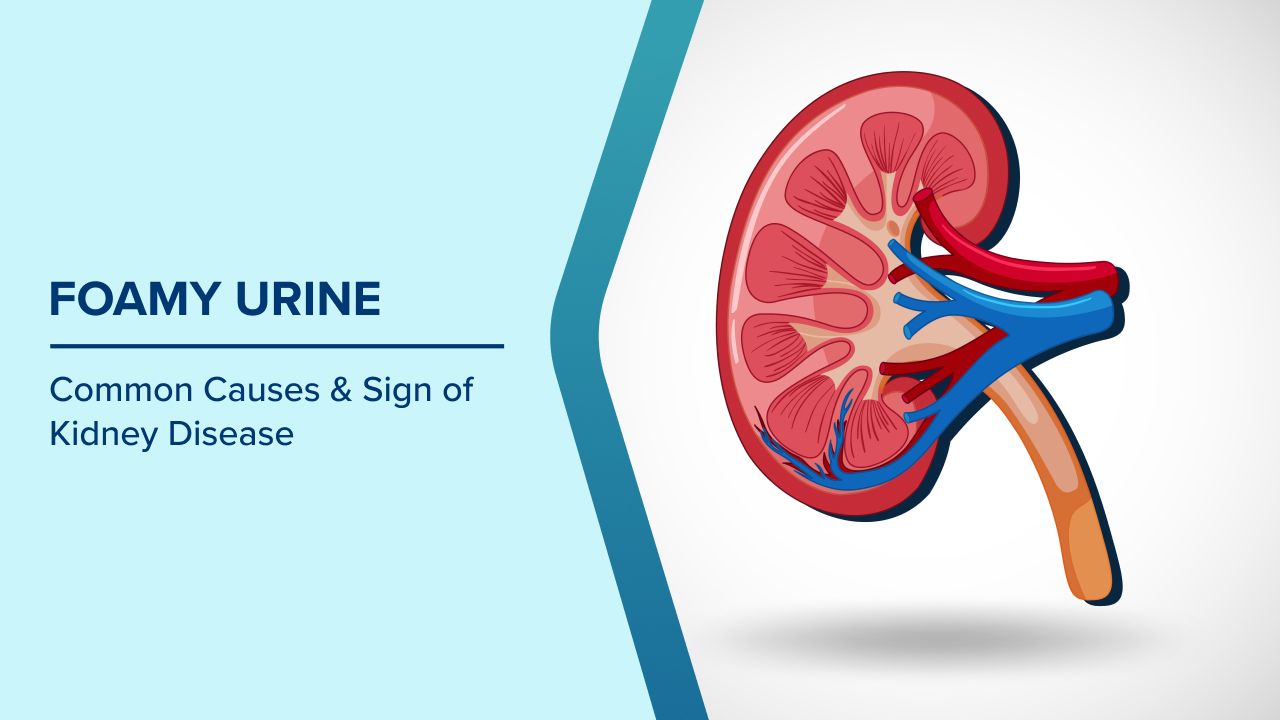
The kidneys contain tiny filtering units that remove waste while keeping essential substances in the blood. If these filters become damaged, proteins may leak into the urine. Protein in urine is one of the common causes of persistent foamy urine.
Certain long-term health conditions may affect kidney function and increase the likelihood of protein appearing in the urine. If foamy urine is noticed frequently over several days or weeks, medical evaluation can help determine whether the kidneys are involved.
Other Symptoms That May Suggest Kidney Problems
Foamy urine alone does not always indicate kidney disease. However, when it occurs alongside other symptoms, it may be a signal to seek medical advice.
Possible symptoms include:
- Swelling in the feet, ankles, or face
- Persistent fatigue or lack of energy
- Changes in urination frequency
- Difficulty concentrating or mental fog
- High blood pressure
- Loss of appetite
- Puffiness around the eyes
These symptoms may occur when the kidneys struggle to maintain a normal balance of fluids and waste in the body.
How Doctors Evaluate Foamy Urine
When someone reports persistent foamy urine, doctors usually begin by gathering detailed information about symptoms and medical history.
Common steps in evaluation may include:
- Urine Tests: Urine tests help detect the presence of protein, infection, or other abnormalities. These tests can provide important clues about kidney function.
- Blood Tests: Blood tests measure waste products that the kidneys normally remove. Abnormal levels may indicate reduced kidney function.
- Medical History and Physical Examination: Doctors often review medications, lifestyle habits, and any existing medical conditions that may affect kidney health.
- Imaging Tests: In some cases, imaging techniques may be used to examine the structure of the kidneys and identify possible abnormalities.
These evaluations help determine whether foamy urine is linked to kidney issues or other causes.
Ways to Support Kidney Health
Taking care of kidney health can help reduce the risk of many kidney-related problems. Simple daily habits can make a significant difference.
Helpful practices include:
- Drinking enough water throughout the day
- Following a balanced diet with fresh foods
- Limiting excess salt intake
- Managing blood pressure levels
- Maintaining a healthy body weight
- Staying physically active
- Avoiding unnecessary use of certain medications
- Scheduling routine health checkups
These steps support the kidneys in performing their natural filtering functions effectively.
When Should You See a Doctor?
Occasional foamy urine is not always a cause for concern. However, medical advice may be helpful in certain situations.
Consider speaking with a doctor if:
- Foamy urine appears regularly over several days
- Foam in urine becomes more noticeable over time
- Urine changes are accompanied by swelling or fatigue
- There are sudden changes in urination habits
- You have existing conditions that may affect kidney health
Early medical evaluation can help identify the cause and guide appropriate care if needed.
Conclusion
Foamy urine can sometimes be harmless and temporary, often related to factors such as dehydration or a strong urine stream. However, persistent foam in urine may also indicate that the kidneys are allowing substances such as protein to pass into the urine.
Paying attention to changes in urine appearance can offer useful clues about overall health. If foamy urine occurs frequently or appears alongside other symptoms, consulting a healthcare professional can help clarify the cause and ensure that kidney health is properly assessed.
Maintaining healthy lifestyle habits and seeking timely medical advice when necessary can support kidney function and overall well-being.
Frequently Asked Questions
Can certain foods make urine appear foamy?
Some foods may temporarily alter urine composition, which can change its appearance. However, occasional foam linked to diet usually disappears once the body processes those foods.
Does the time of day affect urine foam?
Urine passed in the morning may appear more concentrated after several hours without fluid intake. This concentration may occasionally create mild bubbles.
Can bathroom cleaning products cause foamy urine?
Yes, residue from cleaning agents in the toilet bowl can sometimes react with urine, creating foam. This type of foam usually disappears once the toilet is rinsed.
Can holding urine for a long time lead to foamy urine?
When urine is held for extended periods, it may become more concentrated. Concentrated urine may sometimes appear more bubbly when released.
Can stress influence changes in urine appearance?
Stress can affect many body functions, including hydration patterns and lifestyle habits. Indirectly, these factors may sometimes influence how urine appears.
Written and Verified by:

Related Blogs

Dr. Puneet Arora In Nephrology
Nov 11 , 2020 | 2 min read

Nov 11 , 2020 | 9 min read
Blogs by Doctor

Exploring Dialysis and Kidney Transplant: Which Treatment is Right for You
Dr. Vijay Kumar Sinha In Nephrology , Kidney Transplant
Apr 17 , 2025 | 4 min read

Obesity and Hypertension: Natural Ways to Manage Both
Dr. Vijay Kumar Sinha In Nephrology , Kidney Transplant
Jun 24 , 2025 | 4 min read
Most read Blogs


Related Blogs
Dr. Puneet Arora In Nephrology
Nov 11 , 2020 | 2 min read
Nov 11 , 2020 | 9 min read
Blogs by Doctor
Exploring Dialysis and Kidney Transplant: Which Treatment is Right for You
Dr. Vijay Kumar Sinha In Nephrology , Kidney Transplant
Apr 17 , 2025 | 4 min read
Obesity and Hypertension: Natural Ways to Manage Both
Dr. Vijay Kumar Sinha In Nephrology , Kidney Transplant
Jun 24 , 2025 | 4 min read
Most read Blogs