 WhatsApp Us (24/7)
 +91 926 888 0303 (24/7)


To Book an Appointment
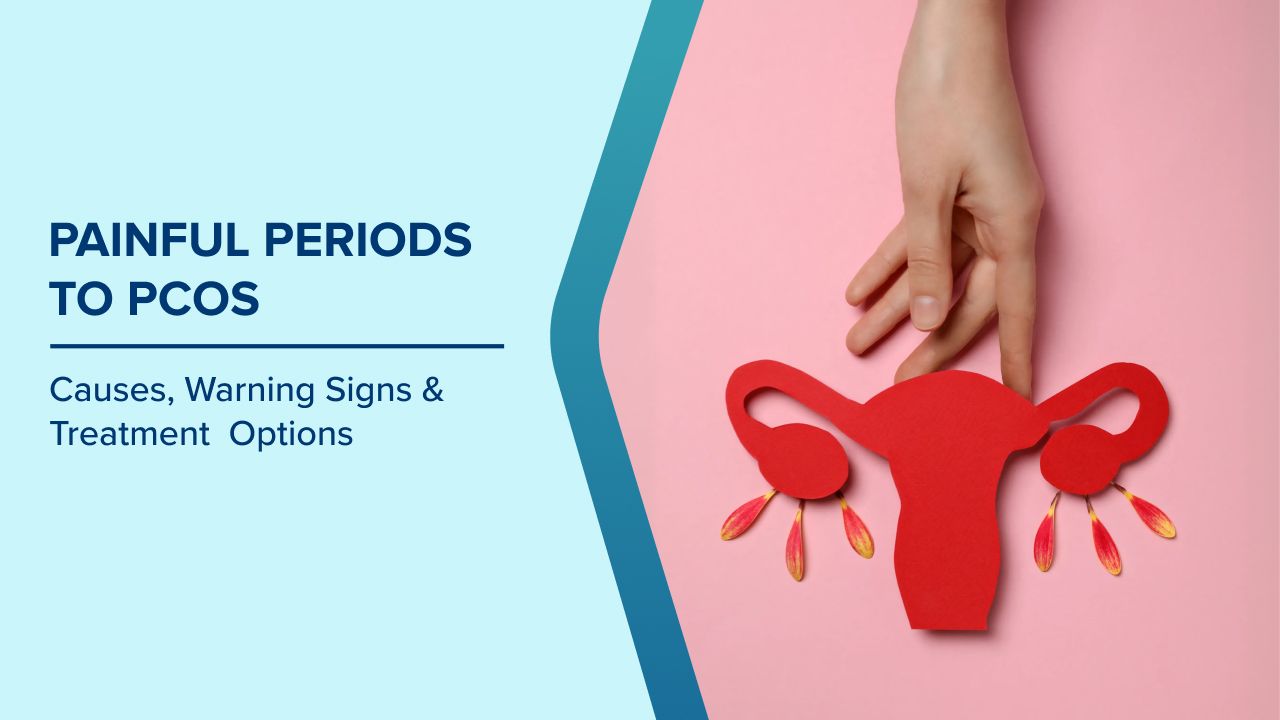
Call Us+91 926 888 0303Painful Periods to PCOS: Causes, Warning Signs & Treatment Options
By Dr Kanika Agarwal in Obstetrics And Gynaecology
May 26 , 2026

Mild cramps during menstruation are common, but painful periods that interfere with daily life are not something to ignore. Many women assume severe discomfort is normal, while it may actually indicate underlying conditions, such as PCOS symptoms, endometriosis, or hormonal imbalance. Understanding period pain is essential for early detection and better reproductive health. Recognising when pain is abnormal can significantly improve long-term health outcomes.
What Is Considered Normal Period Pain?
Normal menstrual discomfort is usually mild to moderate and occurs due to natural uterine contractions as the body sheds the uterine lining. Typical features of normal period pain:
- Mild cramps in the lower abdomen
- Discomfort lasting 1–2 days
- Manageable without strong medication
- No significant disruption to daily activities
This type of pain is caused by prostaglandins, natural chemicals that help the uterus contract. While uncomfortable, it should not be disabling or progressively worsening over time.
When Period Pain Is Not Normal
Period pain is not normal when it begins to interfere with physical, emotional, or social functioning. Warning patterns include:
- Severe cramps that prevent daily activities
- Pain requiring medication every cycle
- Increasing intensity over time
- Pain that begins days before menstruation
- No relief with standard painkillers
If symptoms consistently disrupt life, it may indicate an underlying gynaecological condition rather than routine menstruation.
Common Causes of Painful Periods
Hormonal Imbalance
Hormonal fluctuations in estrogen and progesterone play a major role in menstrual health. When these hormones are imbalanced, uterine lining buildup and shedding become irregular, leading to menstrual cramps that are more intense than usual. Symptoms may include:
- Irregular cycles
- Mood changes
- Acne or weight fluctuations
PCOS (Polycystic Ovary Syndrome)
PCOS symptoms are among the most common causes of menstrual irregularities in women of reproductive age. PCOS affects ovulation and hormone regulation, leading to long-term cycle disruption. Key features:
- Irregular or absent periods
- Excess androgen (male hormone) levels
- Ovarian cysts
- Difficulty in ovulation
PCOS-related pain is often linked to irregular cycles and hormonal instability rather than normal uterine contractions.
Endometriosis
Endometriosis symptoms occur when tissue similar to the uterine lining grows outside the uterus. This tissue responds to hormonal changes, causing inflammation and pain. Common symptoms:
- Severe pelvic pain during periods
- Pain during intercourse
- Chronic lower back pain
- Infertility in some cases
Pain often worsens over time and may not respond well to routine painkillers.
Uterine Fibroids
Fibroids are non-cancerous growths in the uterus that can cause heavy bleeding and intense cramps. Symptoms include:
- Heavy or prolonged periods
- Pelvic pressure or bloating
- Increased menstrual pain
Fibroids are more common than many women realise and often go undiagnosed in the early stages.
PCOS and Period Pain: What's the Connection?
While PCOS is not always directly associated with severe pain, it significantly affects menstrual patterns. Key connections include:
- Irregular ovulation leading to hormonal imbalance
- Thickened uterine lining causing heavier or more uncomfortable periods
- Cycles that vary in timing and intensity
Over time, untreated PCOS can affect fertility, metabolic health, and emotional well-being.
Warning Signs You Should Not Ignore
These symptoms may indicate a deeper condition beyond normal menstruation:
- Severe pelvic pain that disrupts daily life
- Irregular or missed periods over several months
- Excessive or unusually heavy bleeding
- Pain during sexual activity
- Persistent fatigue or hormonal symptoms
These signs are strongly associated with conditions like PCOS, endometriosis, or fibroids and should not be ignored.
Why Women Should Not Normalise Period Pain
Normalising severe menstrual pain often leads to delayed diagnosis. This delay can result in:
- Progression of conditions like endometriosis
- Reduced fertility over time
- Chronic pelvic pain
- Emotional stress and reduced quality of life
Menstrual pain that disrupts daily functioning should always be evaluated rather than accepted as normal.
When to See a Gynaecologist
Medical consultation is recommended if:
- Pain persists across multiple cycles
- Periods are irregular or unpredictable
- Symptoms of PCOS or hormonal imbalance appear
- Pain worsens over time instead of improving
- Over-the-counter medication provides little relief
Early evaluation allows timely diagnosis and better treatment outcomes.
How Doctors Diagnose Underlying Conditions
Diagnosis is based on a combination of clinical evaluation and investigations:
- Medical history: Understanding cycle patterns and symptoms
- Ultrasound: Detecting cysts, fibroids, or structural changes
- Hormone tests: Evaluating estrogen, progesterone, and androgen levels
- Physical examination: Assessing pelvic tenderness or abnormalities
Accurate diagnosis is key to identifying the causes of chronic period pain.
Treatment Options
Treatment depends on the underlying condition and symptom severity. Common approaches include:
- Hormonal therapy: Regulates cycles and reduces pain
- Pain management medications: NSAIDs for inflammation relief
- PCOS management: Lifestyle changes, weight management, and hormonal regulation
- Endometriosis treatment: Medication or minimally invasive surgery in severe cases
- Lifestyle modifications: Diet, exercise, and stress management
A personalised approach is essential for long-term relief.
Importance of Early Diagnosis
Early diagnosis of menstrual disorders is critical because it:
- Prevents the progression of diseases like endometriosis
- Improves fertility outcomes in PCOS patients
- Reduces chronic pain burden
- Enhances overall quality of life
Ignoring symptoms often leads to more complex health issues later.
Conclusion
Mild menstrual discomfort is a normal part of the cycle, but severe period pain should never be ignored. Conditions like PCOS, endometriosis, and hormonal imbalance are common yet often underdiagnosed causes of chronic pain. Understanding the causes of period pain and recognising warning signs early can significantly improve reproductive health and quality of life. If symptoms persist or worsen, timely medical consultation is essential for proper diagnosis and effective treatment.
Frequently Asked Questions
Is severe period pain always a sign of PCOS?
No, severe period pain can be caused by multiple conditions, including endometriosis and fibroids. PCOS is only one possible cause and is usually linked with irregular cycles.
How do I know if my period pain is normal or not?
Normal pain is mild and short-lived. Pain that disrupts daily activities, worsens over time, or requires strong medication may not be normal.
Can PCOS cause painful periods every month?
PCOS more commonly causes irregular periods, but hormonal imbalance may still lead to discomfort during cycles in some individuals.
Does endometriosis pain get worse over time?
Yes, endometriosis is a progressive condition, and pain often worsens if not treated appropriately.
When should I worry about menstrual cramps?
You should seek medical advice if cramps are severe, persistent, or affect your ability to function normally each month.
Can stress make period pain worse?
Yes, stress can affect hormone balance and increase sensitivity to pain, making menstrual cramps feel more intense.
Written and Verified by:

Related Blogs

Dr. Manju Khemani In Obstetrics And Gynaecology
Oct 27 , 2020 | 3 min read

Dr. Neera Aggarwal In Obstetrics And Gynaecology , Nutrition And Dietetics
Nov 07 , 2020 | 7 min read
Blogs by Doctor

High-Risk Pregnancy: Complications & Care
Dr Kanika Agarwal In Obstetrics And Gynaecology
May 12 , 2017 | 3 min read
Most read Blogs

Related Blogs
Dr. Manju Khemani In Obstetrics And Gynaecology
Oct 27 , 2020 | 3 min read
Dr. Neera Aggarwal In Obstetrics And Gynaecology , Nutrition And Dietetics
Nov 07 , 2020 | 7 min read
Blogs by Doctor
High-Risk Pregnancy: Complications & Care
Dr Kanika Agarwal In Obstetrics And Gynaecology
May 12 , 2017 | 3 min read
Most read Blogs