 WhatsApp Us (24/7)
 +91 926 888 0303 (24/7)


To Book an Appointment
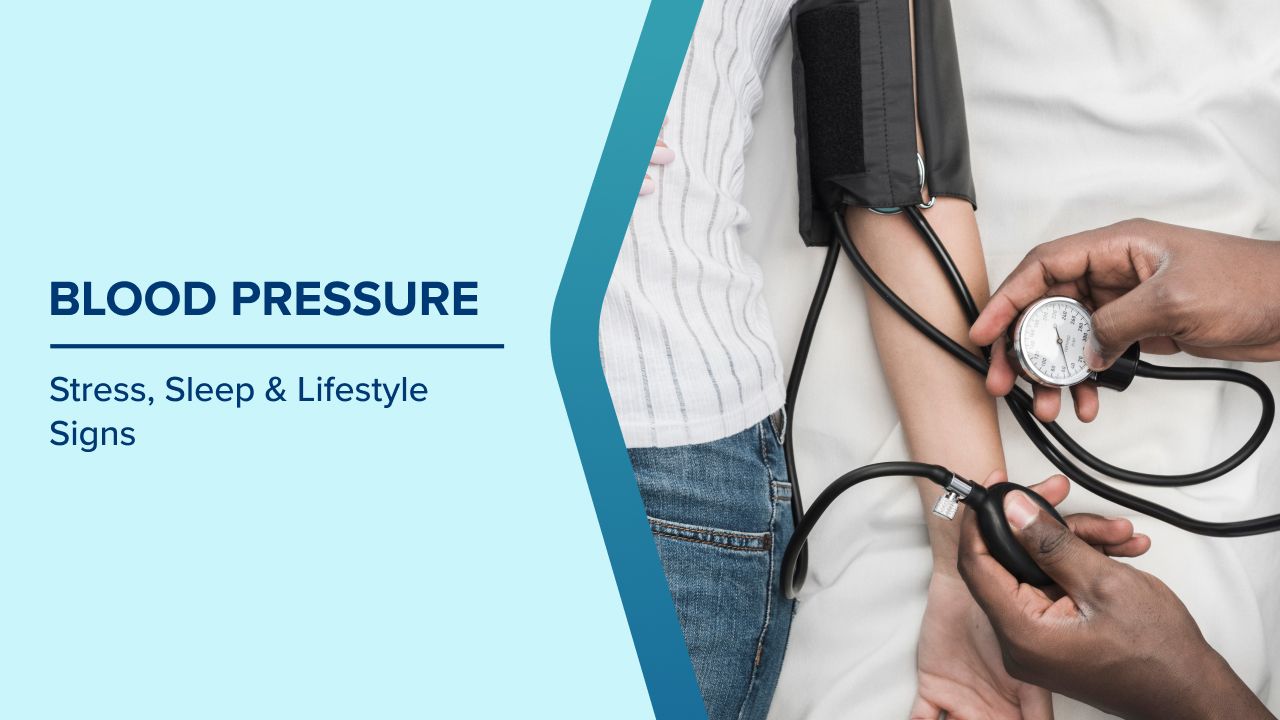
Call Us+91 926 888 0303Daily Habits That Quietly Raise Blood Pressure: Stress, Sleep & Lifestyle Signs
By Dr Sujeet Narain in Cardiac Sciences , Cardiology , Interventional Cardiology
May 26 , 2026
1

Most people think of high blood pressure as something that develops due to major health issues or long-term lifestyle patterns. But what often goes unnoticed is how ordinary, everyday routines can gradually push blood pressure higher, without feeling dramatic or alarming.
It is not always about what you do once in a while. It is about what you do every single day.
From the moment you wake up to the way you wind down at night, your routine shapes how your body regulates pressure within your blood vessels. And sometimes, the habits that feel completely normal are the ones silently working against you.
The Morning Rush: How You Start Your Day Matters More Than You Think
Many people begin their day in a rush, checking phones immediately, skipping a calm start, or mentally jumping straight into stress.
This creates an instant surge in alertness hormones. While this response is natural, repeating it daily without balance can keep your body in a constant "high-alert" state. Over time, this may influence how your blood pressure behaves throughout the day.
Another subtle pattern is delaying meals or relying on quick, convenience options. When the body starts the day without steady nourishment or hydration, it may respond with internal imbalance, which can indirectly affect circulation and pressure regulation.
Even posture in the morning matters. Sitting hunched over a phone or laptop early in the day can contribute to physical tension, especially around the neck and shoulders, which is often linked with how people feel when their blood pressure fluctuates.
Long Sitting Hours: The Silent Impact of a Sedentary Routine
Modern work life often involves long hours of sitting at desks, in meetings, or during commutes. The issue is not just inactivity, but continuous inactivity. When the body remains in one position for extended periods, circulation becomes less efficient. Muscles stay inactive, and the natural rhythm of blood flow slows down.
Over time, this pattern can make the cardiovascular system work harder than it should during even simple activities.
What makes this tricky is that it feels normal. You may not notice anything immediately. But subtle signs like stiffness, heaviness, or low energy during the day may begin to appear.
Breaking this pattern does not require intense workouts. Even short, regular movement breaks can help maintain better circulation and reduce the cumulative effect of prolonged sitting.
Screen Time and Mental Load: When Your Brain Doesn't Switch Off
Your body responds not just to physical activity, but also to mental activity. Constant screen exposure, emails, messages, deadlines, and notifications keep the brain engaged without pause. This continuous stimulation can prevent the body from entering a relaxed state.
Unlike short bursts of stress, this is more of a low-grade, persistent mental load. It does not feel overwhelming, but it does not allow for full recovery either.
Over time, this can affect:
- Mental calmness
- Sleep quality
- Overall physical relaxation
And all of these play a role in how stable your blood pressure remains during the day.
The key issue here is not technology itself, but the lack of boundaries around it.
Eating Patterns: It's Not Just What You Eat, But How You Eat
You may already be aware that diet influences blood pressure. But beyond food choices, eating behaviour also matters.
Irregular meal timings, eating too quickly, or frequently eating while distracted (like during work or screen time) can affect how the body processes food and manages internal balance.
Rushed eating may lead to:
- Poor digestion
- Overeating without realising
- Lack of satiety signals
These patterns indirectly influence weight, metabolism, and energy levels, all of which are connected to cardiovascular health.
Another overlooked habit is late-night eating. When meals are too close to bedtime, the body continues working when it should be winding down, which can affect overnight recovery processes.
Sleep Routine: The Most Underrated Factor in Blood Pressure Control
Sleep is not just rest; it is a reset. An inconsistent sleep schedule, late-night scrolling, or irregular sleep cycles can interfere with how the body regulates vital functions, including blood pressure.
It is not only about how many hours you sleep, but also:
- The timing of sleep
- The quality of sleep
- How restful you feel on waking
When sleep is disrupted repeatedly, the body may remain in a partially alert state even at night. This reduces the natural "dip" in blood pressure that typically occurs during deep rest.
Over time, this lack of proper recovery can contribute to sustained elevation in blood pressure levels.
Everyday Stress Patterns: The Ones You Don't Even Notice
Not all stress feels intense. Some of it shows up as:
- Constant hurry
- Multitasking without breaks
- Mental overload
- Lack of downtime
These patterns are often normalised as "just part of life."
But the body does not differentiate between major stress and continuous minor stress. If there is no time to reset, the system remains activated.
This ongoing activation can influence heart rate, vascular tone, and overall pressure within the circulatory system. The important thing to recognise is that it is not about eliminating stress completely; it is about creating balance within your routine.
Hydration and Daily Rhythm: Small Details That Add Up
Many people underestimate how daily hydration habits affect overall health. Skipping water intake during busy hours or relying heavily on caffeinated beverages can disrupt the body's internal balance. While occasional fluctuations are normal, consistent patterns may affect how the body maintains stable circulation.
Similarly, irregular daily rhythms, such as:
- Unpredictable meal times
- Inconsistent work hours
- Erratic rest patterns
These can make it harder for the body to maintain equilibrium.
The human body functions best with predictability. When routines are irregular, internal systems, including those that regulate blood pressure, may struggle to stay stable.
Weekend Lifestyle Swings: The Hidden Disruption
A common pattern is living one routine during weekdays and a completely different one on weekends. Sleeping much later, eating at different times, or significantly changing activity levels may feel like a break, but it can disrupt the body's internal clock.
This inconsistency can lead to:
- Irregular energy levels
- Disturbed sleep cycles
- Difficulty returning to weekday routine
Over time, these fluctuations can influence how consistently your body regulates blood pressure.
Read More: High and Low Blood Pressure: Symptoms, Causes & Preventing Tips
Conclusion
Your daily routine is not just a schedule; it is a reflection of how your body functions over time. The way you start your morning, how long you sit, how you manage your time, your sleep patterns, and even your small habits throughout the day all contribute to your overall cardiovascular balance.
The goal is not to overhaul everything at once. It is to become aware of patterns that may be working against you. Because sometimes, it is not the obvious choices, but the unnoticed ones, that make the biggest difference.
Frequently Asked Questions
Can a daily routine alone affect blood pressure even if I am otherwise healthy?
Yes, consistent daily habits can influence how your body regulates blood pressure over time, even in otherwise healthy individuals.
Does irregular sleep timing impact blood pressure even if total sleep is adequate?
Yes, inconsistent sleep timing can affect the body's internal clock and may influence blood pressure regulation.
Is mental workload without physical stress still a concern for blood pressure?
Continuous mental engagement without breaks can affect relaxation and recovery, which plays a role in overall cardiovascular balance.
Can weekend routine changes affect blood pressure patterns?
Frequent shifts in sleep, eating, and activity patterns can disrupt internal rhythms and may impact stability in blood pressure.
Do small habits really matter if major lifestyle factors are under control?
Yes, small daily habits accumulate over time and can significantly influence long-term health, including blood pressure.
Written and Verified by:

Related Blogs

Dr. Ritwick Raj Bhuyan In Cardiac Sciences , Cardiac Surgery (CTVS)
Nov 08 , 2020 | 2 min read

Dr. Gaurav Minocha In Cardiac Sciences
Nov 08 , 2020 | 4 min read
Blogs by Doctor

Early Signs of Heart Blockages: You Should Never Ignore
Dr Sujeet Narain In Cardiac Sciences , Interventional Cardiology
Dec 10 , 2025 | 6 min read
Most read Blogs


Related Blogs
Dr. Ritwick Raj Bhuyan In Cardiac Sciences , Cardiac Surgery (CTVS)
Nov 08 , 2020 | 2 min read
Dr. Gaurav Minocha In Cardiac Sciences
Nov 08 , 2020 | 4 min read
Blogs by Doctor
Early Signs of Heart Blockages: You Should Never Ignore
Dr Sujeet Narain In Cardiac Sciences , Interventional Cardiology
Dec 10 , 2025 | 6 min read
Most read Blogs