 WhatsApp Us (24/7)
 +91 926 888 0303 (24/7)


To Book an Appointment
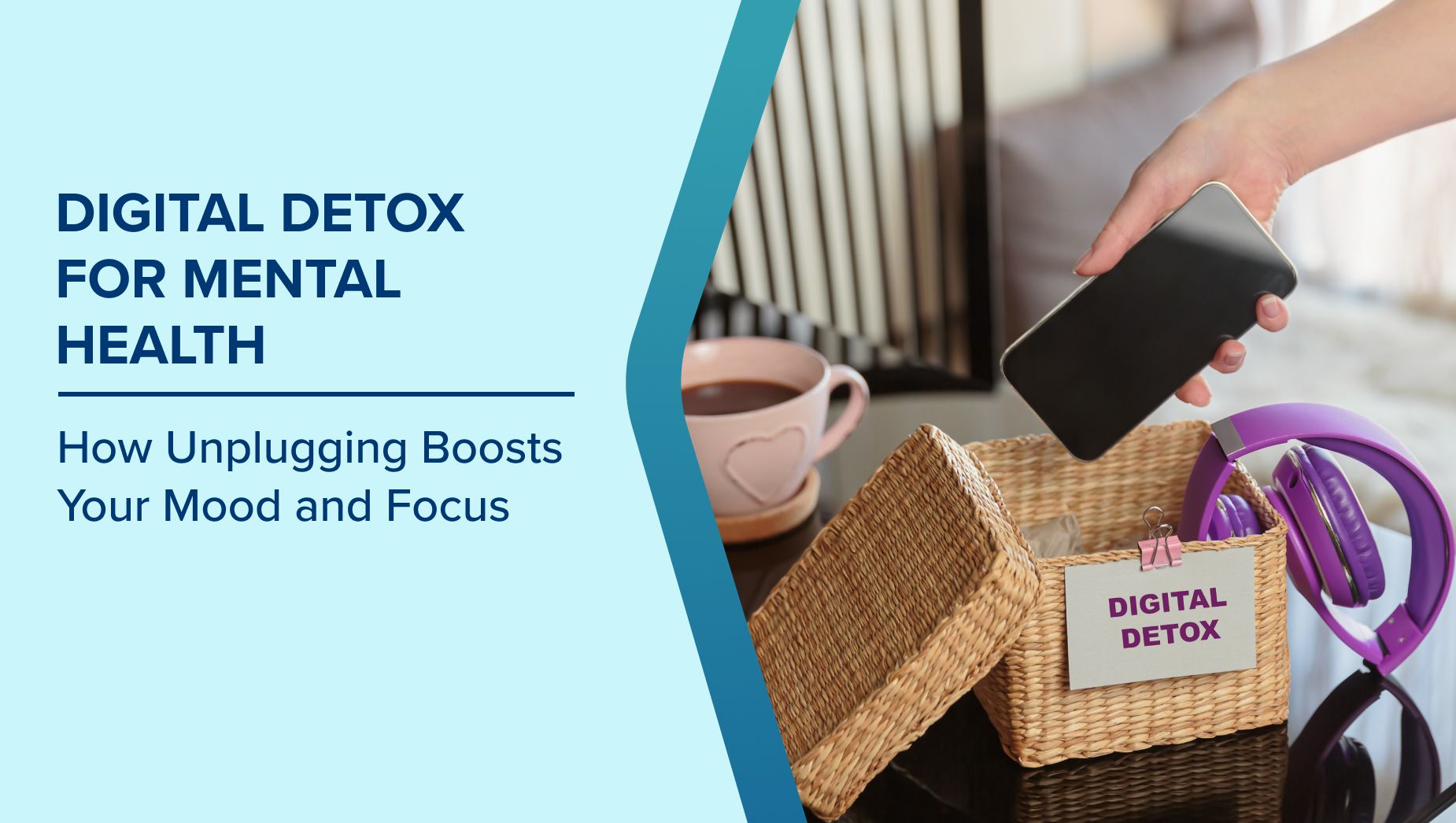
Call Us+91 926 888 0303Digital Detox for Mental Health: How Unplugging Boosts Your Mood and Focus
By Dr. Saloni Gupta in Mental Health And Behavioural Sciences , Clinical Psychology
Oct 29 , 2025 | 4 min read

Excessive screen time can affect mental health, sleep, and productivity. Many people experience stress, anxiety, and reduced focus from constant use of smartphones, computers, and social media. A digital detox, which involves intentionally reducing or avoiding screen use for a period, can restore mental clarity, improve mood, and enhance focus. This practice supports emotional well-being, reduces social media-related anxiety, and encourages healthier daily routines. By learning how to implement a digital detox effectively, anyone can regain control over their time, attention, and mental health.
What Causes Digital Overload and Technology Fatigue?
Our modern lifestyle relies heavily on technology, but overuse can create mental strain and emotional fatigue. Some common causes include:
- Constant notifications from emails, messages, and apps.
- Excessive social media use, triggering comparison and anxiety.
- Work-related screen time, including video calls and long computer hours.
- Gaming or entertainment bingeing leading to reduced sleep and focus.
- Multitasking between apps and devices, decreasing concentration and productivity.
These behaviours contribute to technology addiction, impacting mood, concentration, and overall mental health. Reducing screen exposure can provide your brain with the rest it needs to function optimally.
Mental Health Benefits of Unplugging
A structured digital detox provides several psychological and cognitive benefits:
- Reduced Anxiety and Stress: Limiting social media and notifications helps lower stress hormones and reduces feelings of comparison or fear of missing out.
- Improved Focus and Productivity: When distractions are minimised, attention span improves and tasks are completed more efficiently.
- Better Sleep Quality: Less exposure to blue light from screens helps regulate circadian rhythms, resulting in deeper and more restorative sleep.
- Enhanced Emotional Wellbeing: Unplugging allows for mindfulness practices, outdoor activities, and real-life interactions, promoting positive emotions.
- Mental Clarity and Creativity: Giving the brain a break from constant input encourages reflection, problem-solving, and innovative thinking.
Signs You May Need a Digital Detox
Understanding when to unplug is essential. Some warning signs include:
- Difficulty concentrating or frequent procrastination
- Persistent fatigue or poor sleep quality
- Anxiety or irritability related to social media or work emails
- Feeling overwhelmed by notifications and digital communication
- Reduced interest in hobbies, family, or outdoor activities
Recognising these signs early can help prevent long-term mental health issues and burnout.
How to Start a Digital Detox
Starting a digital detox doesn’t have to be extreme. Gradual changes often work best. Key steps include:
- Set Clear Goals: Decide why you are unplugging — better sleep, reduced anxiety, or improved focus. Clear goals make it easier to stay motivated.
- Schedule Screen-Free Times: Start with small intervals, such as 1–2 hours without devices, and gradually increase. Consider phone-free mornings or evenings.
- Limit Social Media Use: Unfollow unnecessary accounts, turn off notifications, or set time limits using built-in app timers.
- Replace Screen Time with Activities: Read a book, exercise, practice mindfulness, or spend time outdoors to occupy your mind positively.
- Create a Device-Free Bedroom: Avoid phones and laptops in the bedroom to improve sleep quality.
- Inform Your Network: Let family, friends, or colleagues know about your detox to avoid unnecessary stress or interruptions.
Digital Detox Strategies for Work and Productivity
Even with professional commitments, you can reduce digital overload. Strategies include:
- Use the Pomodoro technique to limit continuous screen time.
- Turn off non-essential notifications during work hours.
- Schedule email and messaging checks at fixed intervals.
- Keep a physical notepad for ideas and tasks instead of using multiple apps.
- Practice mindful breaks, stepping away from screens for five minutes every hour.
Mindfulness and Mental Clarity Through Unplugging
A digital detox encourages mindfulness, helping your brain process thoughts without constant stimulation. Benefits include:
- Increased self-awareness and reflection
- Reduced anxiety triggers caused by social media
- Better emotional regulation and patience
- Enhanced connection with family and real-life relationships
Long-Term Lifestyle Tips for Healthy Digital Habits
Creating sustainable digital habits is key to preventing relapse:
- Schedule daily or weekly screen-free periods.
- Prioritise face-to-face communication over online messaging.
- Engage in physical activity to reduce reliance on devices.
- Practice hobbies that do not involve screens.
- Set limits on work email checks outside office hours.
The Role of Children and Teens in Digital Detox
Screen addiction can affect children and adolescents significantly. Tips for younger users include:
- Encourage outdoor play and physical activity
- Limit recreational screen time to 1–2 hours per day
- Use parental controls and app timers
- Model healthy device use as adults
- Promote hobbies, reading, and social interaction offline
Conclusion
A digital detox is a practical strategy to regain control over your time, focus, and mental health. By reducing screen time, limiting social media exposure, and engaging in mindful activities, you can enhance productivity, reduce anxiety, and improve overall emotional well-being. Starting small, maintaining sustainable habits, and prioritising offline connections ensures long-term benefits. Consider adopting regular digital detox periods to support your mental clarity, focus, and life balance.
Frequently Asked Questions
Can digital detox improve sleep quality?
Yes, reducing screen exposure, especially before bedtime, helps regulate sleep hormones and supports deeper sleep.
How often should I schedule a digital detox?
Even short daily breaks help, but extended detox periods, like one weekend per month, can provide significant mental clarity.
Can children benefit from digital detox?
Absolutely, limiting recreational screen time improves focus, reduces anxiety, and encourages healthier lifestyle habits in children.
How do I start a digital detox at work?
Set scheduled email checks, turn off non-essential notifications, and take short screen-free breaks throughout the day to reduce digital fatigue.
Are there apps to help with digital detox?
Yes, several apps track and limit screen time, block distracting websites, and remind you to take breaks to support mindful device use.
Can digital detox reduce anxiety from social media?
Yes, reducing exposure to constant updates and online comparison lowers stress, boosts mood, and encourages a healthier perspective.
Written and Verified by:

Related Blogs

Dr. Prashant Gupta In Mental Health And Behavioural Sciences , Psychiatry
Nov 08 , 2020 | 5 min read

Blogs by Doctor

A Comprehensive Guide to Stress and its management
Dr. Saloni Gupta In Mental Health And Behavioural Sciences
Nov 05 , 2022 | 3 min read

Anxiety Disorder: Defeating the Invisible Enemy
Dr. Saloni Gupta In Mental Health And Behavioural Sciences , Clinical Psychology
Jan 22 , 2024 | 12 min read
Most read Blogs


Related Blogs
Dr. Prashant Gupta In Mental Health And Behavioural Sciences , Psychiatry
Nov 08 , 2020 | 5 min read
Blogs by Doctor
A Comprehensive Guide to Stress and its management
Dr. Saloni Gupta In Mental Health And Behavioural Sciences
Nov 05 , 2022 | 3 min read
Anxiety Disorder: Defeating the Invisible Enemy
Dr. Saloni Gupta In Mental Health And Behavioural Sciences , Clinical Psychology
Jan 22 , 2024 | 12 min read
Most read Blogs