 WhatsApp Us (24/7)
 +91 926 888 0303 (24/7)


To Book an Appointment
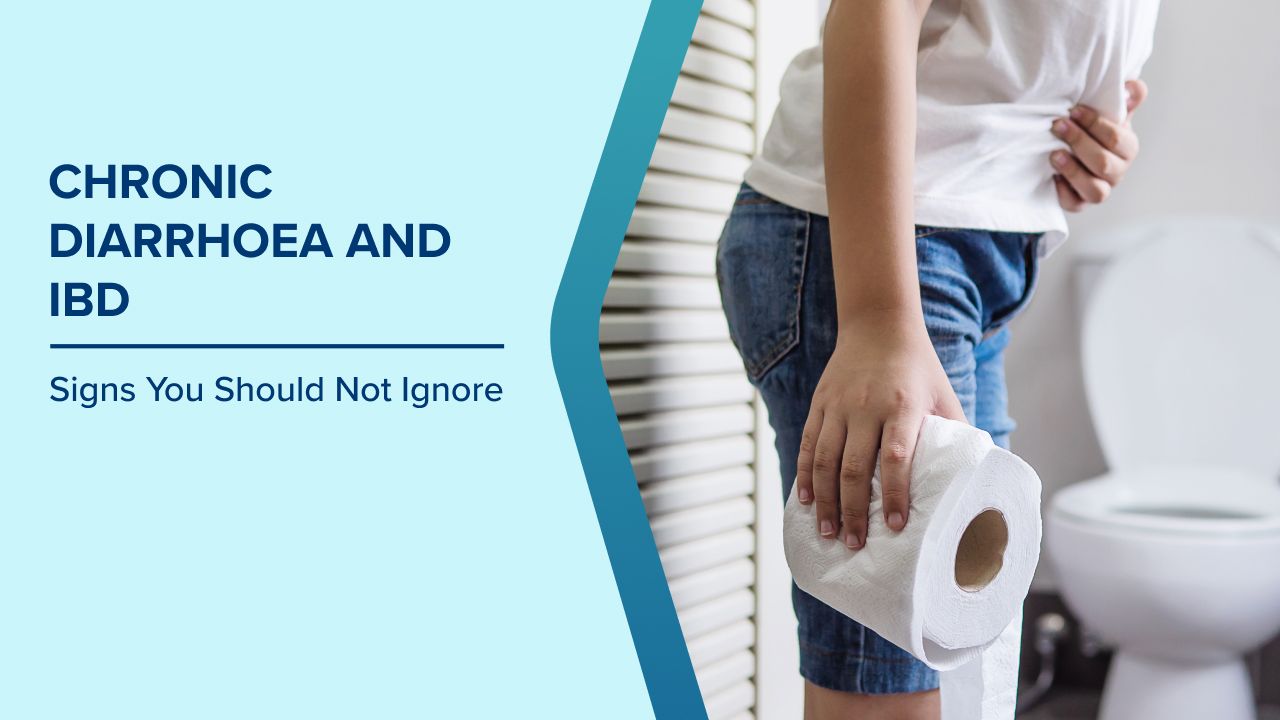
Call Us+91 926 888 0303Early IBD Symptoms: Stomach Pain, Diarrhoea & Warning Signs
By Dr Pankaj Kumar in Gastroenterology, Hepatology & Endoscopy
Jun 01 , 2026

Many people experience recurring stomach problems like acidity, bloating, or irregular bowel habits and often ignore them. However, some digestive issues may signal a more serious condition, such as inflammatory bowel disease symptoms (IBD symptoms). Early signs can be mild and easily confused with common conditions, leading to delayed diagnosis. If symptoms such as persistent diarrhoea, abdominal pain, or fatigue persist, it's important to know when to see a doctor and not dismiss them as routine stomach problems.
What Is IBD (Inflammatory Bowel Disease)?
Inflammatory Bowel Disease (IBD) refers to a group of chronic conditions characterised by long-term inflammation of the digestive tract. The two main types are:
- Crohn's disease: can affect any part of the digestive tract from the mouth to the anus
- Ulcerative colitis: mainly affects the colon and rectum
Unlike occasional stomach issues, IBD involves persistent inflammation that can damage the gut lining over time.
Why IBD Is Often Mistaken for a Simple Stomach Problem
IBD is frequently mistaken for everyday stomach problems because the symptoms overlap with common conditions.
- Many symptoms resemble acidity, infections, or food intolerance
- People often confuse it with IBS vs IBD differences, which are unclear
- Early symptoms may be mild or come and go
- Self-medication delays proper diagnosis
This leads many individuals to ignore warning signs until the condition worsens.
Early Signs of IBD You Should Not Ignore
Recognising IBD symptoms early can help prevent complications. Common early signs include:
- Persistent diarrhoea lasting more than a few weeks
- Abdominal pain or cramps (stomach pain, IBD warning sign)
- Blood in stool, even occasionally
- Unexplained weight loss
- Ongoing fatigue or low energy
- Urgency to use the restroom, sometimes with incomplete relief
These symptoms may seem mild initially but tend to persist or gradually worsen.
IBS vs IBD: Key Differences
Understanding the difference between IBS and IBD is essential, as they are often confused.
- Nature of condition: IBS is a functional disorder, while IBD involves chronic inflammation
- Inflammation: IBS does not damage the gut, but IBD causes inflammation
- Severity: IBS symptoms can be uncomfortable but are not dangerous, whereas IBD can become severe
- Blood in stool: Rare in IBS but common in IBD
- Long-term impact: IBS does not cause permanent damage, while IBD can lead to complications if untreated
While IBS affects quality of life, IBD is a medical condition that requires proper treatment.
When a "Normal" Stomach Issue Becomes Serious
Not all digestive problems are harmless. Certain signs indicate that your condition may be more serious:
- Symptoms lasting longer than 2–3 weeks
- Increasing severity of abdominal pain
- Diarrhoea and weight loss occurring together
- Presence of blood in stool
- Fever, weakness, or fatigue along with digestive symptoms
These signs suggest chronic digestive issues that should not be ignored.
Causes and Risk Factors of IBD
The exact cause of IBD is not fully understood, but several factors contribute to its development.
- Immune system dysfunction: the body mistakenly attacks the gut lining
- Genetics: a family history increases the risk
- Environmental factors: diet, infections, and lifestyle
Although stress does not directly cause IBD, it can worsen symptoms.
How IBD Is Diagnosed
Diagnosing IBD requires a combination of medical tests to confirm inflammation and rule out other conditions.
- Blood tests to check for inflammation and anaemia
- Stool tests to detect infections or inflammation markers like ESR, CRP, and Faecal Calprotectin
- Colonoscopy to examine the intestinal mucosa
- Imaging tests such as CT or MRI scans
Accurate diagnosis is essential to differentiate IBD from other causes of abdominal pain.
Why Early Diagnosis Matters
Early diagnosis plays a crucial role in managing IBD effectively.
- Helps prevent disease progression
- Reduces the risk of complications
- Improves treatment outcomes
- Enhances overall quality of life
Identifying gut inflammation symptoms early allows timely intervention.
Treatment and Management Options
Although IBD is a chronic condition, it can be managed effectively with proper care.
- Medications such as anti-inflammatory drugs and immunosuppressants
- Advanced biologic therapies for severe cases
- Dietary and lifestyle adjustments
- Regular follow-up and monitoring
Treatment aims to control inflammation and maintain long-term remission.
When to See a Doctor
Knowing when to see a doctor for stomach pain is essential.
Seek medical attention if you experience:
- Persistent diarrhoea or abdominal pain
- Blood in stool
- Unexplained weight loss
- Severe fatigue
- Symptoms that do not improve with basic treatment
Early consultation can help prevent complications and ensure proper diagnosis.
Conclusion
Persistent digestive symptoms should never be ignored, especially when they last longer than expected. Early signs of IBD, such as diarrhoea, abdominal pain, and fatigue, can easily be mistaken for common stomach problems. Understanding the difference between IBS and IBD is key to timely diagnosis. Seeking medical advice timely can prevent complications and improve long-term outcomes. If symptoms continue or worsen, consulting a doctor is essential for proper evaluation and care.
Frequently Asked Questions
Can IBD start with mild symptoms?
Yes, IBD often begins with mild symptoms like occasional diarrhoea or stomach discomfort, which may worsen over time.
Is IBD the same as IBS?
No, IBS is a functional disorder, while IBD involves inflammation and can cause long-term damage to the digestive tract.
Can stress trigger IBD symptoms?
Stress does not cause IBD, but it can aggravate symptoms and trigger flare-ups.
Is IBD a lifelong condition?
Yes, IBD is chronic, but proper treatment can help manage symptoms effectively.
Can IBD be cured completely?
There is no complete cure, but treatment can control inflammation and maintain remission.
What foods trigger IBD symptoms?
Trigger foods vary but may include spicy, fatty, or processed foods, as well as dairy in some individuals.
Written and Verified by:

Related Blogs

Dr. Nivedita Pandey In Gastroenterology, Hepatology & Endoscopy , Liver Transplant and Biliary Sciences
Nov 07 , 2020 | 2 min read

Dr. Nivedita Pandey In Gastroenterology, Hepatology & Endoscopy , Liver Transplant and Biliary Sciences
Nov 07 , 2020 | 2 min read
Blogs by Doctor
GI Bleeding: Symptoms, Types, Causes, and When to Seek Help
Dr Pankaj Kumar In Gastroenterology, Hepatology & Endoscopy
Sep 24 , 2025 | 5 min read

Most read Blogs


Related Blogs
Dr. Nivedita Pandey In Gastroenterology, Hepatology & Endoscopy , Liver Transplant and Biliary Sciences
Nov 07 , 2020 | 2 min read
Dr. Nivedita Pandey In Gastroenterology, Hepatology & Endoscopy , Liver Transplant and Biliary Sciences
Nov 07 , 2020 | 2 min read
Blogs by Doctor
GI Bleeding: Symptoms, Types, Causes, and When to Seek Help
Dr Pankaj Kumar In Gastroenterology, Hepatology & Endoscopy
Sep 24 , 2025 | 5 min read
Most read Blogs