 WhatsApp Us (24/7)
 +91 926 888 0303 (24/7)


To Book an Appointment
Call Us+91 926 888 0303Heart Disease in Women: Early Signs & Changes in Daily Life
By Dr. Naveen Bhamri in Cardiac Sciences , Cardiology , Interventional Cardiology , Cardiac Electrophysiology-Pacemaker
Mar 27 , 2026

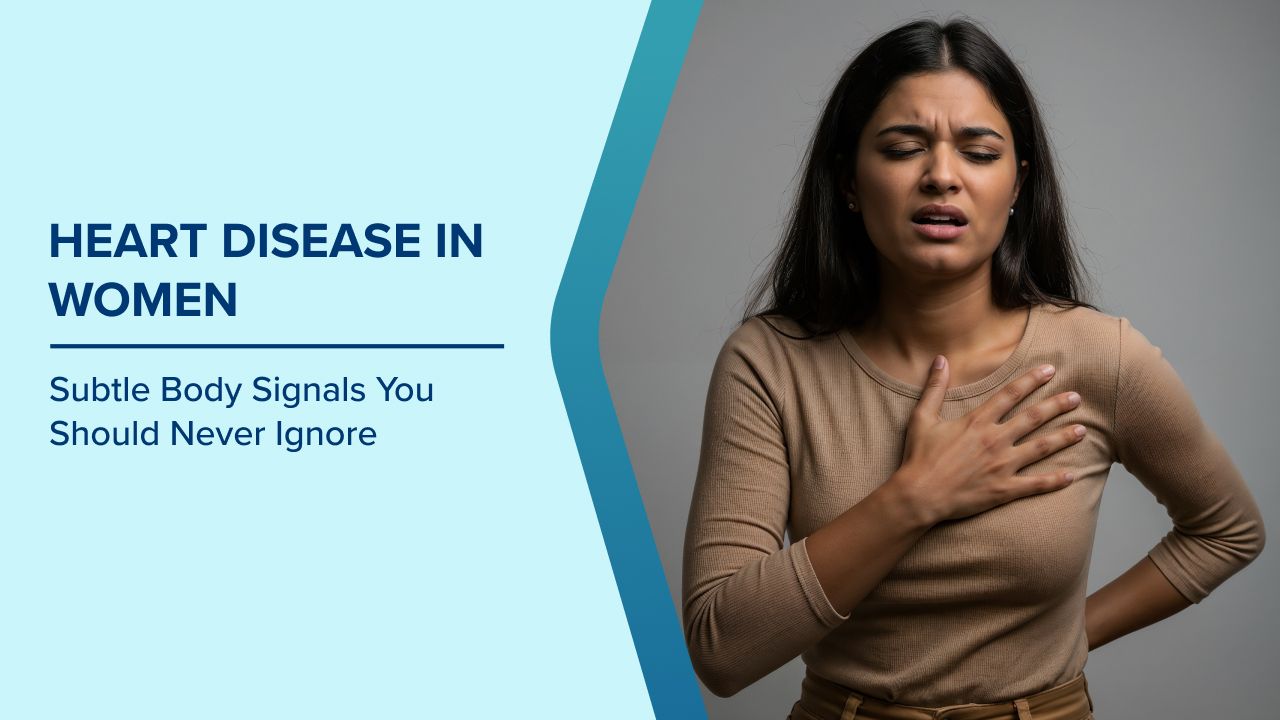
Heart disease is often thought of as a health issue that mostly affects men. However, women can also experience serious heart-related conditions, and the signs are not always obvious. In many cases, the early signals are subtle and may appear as small changes in daily health rather than dramatic symptoms.
Because these signals are often mild or unusual, they are sometimes overlooked or mistaken for everyday fatigue, stress, or digestive discomfort. Many women continue with their daily routine without recognising that their body may be trying to communicate something important.
Understanding these quiet changes can help women pay closer attention to their heart health. Recognising subtle body signals early may encourage timely medical attention and greater awareness of cardiovascular health.
Why Heart Disease Often Appears Differently in Women
Heart-related conditions do not always show the same patterns in women as they do in men. Women may experience more gradual changes that develop over time rather than sudden, intense symptoms.
Hormonal changes, lifestyle pressures, and physical differences can influence how the body responds to stress related to the heart. Because of this, the early signs may appear in ways that feel unrelated to the heart.
Many women notice general health changes first. These changes may seem minor at first, making them easy to ignore. However, when such symptoms continue or gradually become more noticeable, they may deserve attention.
Subtle Changes in Daily Energy Levels
One of the earliest changes some women notice is a shift in their usual energy levels. This is not the typical tiredness that follows a busy day. Instead, it may feel like an unusual lack of stamina even after adequate rest.
Daily activities that once felt manageable may become more demanding. Tasks such as walking short distances, climbing stairs, or completing household work might require more effort than before.
Some women describe this feeling as a constant low-energy state that does not improve easily with sleep or relaxation. When fatigue becomes persistent and unexplained, it may indicate that the body is under physical strain.
Paying attention to these changes can help women understand when their bodies are signalling the need for medical guidance.
Breathlessness During Routine Activities
Breathing patterns can also offer clues about heart health. Some women may begin to notice shortness of breath during activities that previously felt comfortable.
This change may appear gradually. For example, a person who previously climbed stairs without difficulty might start pausing more often to catch their breath.
Breathlessness may also occur during light physical activity or even while resting in some situations. Because breathing changes can be associated with many everyday conditions, they are sometimes dismissed or ignored.
However, when breathlessness becomes frequent or unexplained, it is worth discussing with a healthcare professional.
Unusual Sleep Disturbances
Sleep patterns can reveal a great deal about overall health. Some women who experience early heart-related concerns report disruptions to their normal sleep routine.
They may find it difficult to fall asleep, wake up frequently during the night, or feel restless despite spending enough time in bed. Others may notice that they wake up feeling tired rather than refreshed.
Sleep disturbances are often attributed to stress, work pressure, or hormonal changes. While these are common reasons, ongoing sleep issues without a clear explanation should not be overlooked.
Consistent changes in sleep patterns can sometimes reflect underlying health concerns, including heart-related issues.
Persistent Discomfort in the Upper Body
Another subtle signal can involve mild discomfort in areas of the upper body. Unlike severe chest pain that people often associate with heart problems, this discomfort may feel less intense.
Some women experience pressure, tightness, or unusual sensations in the upper chest, shoulders, back, or neck. These sensations may come and go rather than remain constant.
Because the discomfort is not always severe, it may be mistaken for muscle strain, posture-related tension, or fatigue from daily activities.
When such sensations occur repeatedly without a clear reason, it may be helpful to consider a medical evaluation.
Changes in Digestive Comfort
Digestive discomfort is another signal that may occasionally appear in women experiencing heart-related concerns. Feelings such as mild nausea, a heavy sensation in the stomach, or unusual digestive uneasiness may arise without a clear dietary cause.
These sensations can easily be confused with common digestive issues. Many people assume the cause is acidity, irregular meals, or temporary stomach irritation.
However, when digestive discomfort appears alongside other unusual physical sensations, it may be worth paying closer attention to the overall pattern of symptoms.
Recognising how different body signals appear together can help identify whether the body may be under stress.
Why These Signals Are Often Ignored
One reason subtle symptoms are frequently overlooked is that they do not always appear dramatic or alarming. Many women continue with their daily responsibilities despite feeling unwell because the symptoms seem manageable.
Another common reason is misinterpretation. Fatigue may be blamed on a busy schedule, while sleep disturbances may be linked to stress or lifestyle habits. Digestive discomfort might be associated with diet rather than heart health.
Women also tend to prioritise family and work commitments, often placing their own health concerns later. As a result, early warning signs may not receive the attention they deserve.
Becoming aware that these signals can sometimes relate to heart health may help women make more informed decisions about seeking medical advice.
When to Seek Medical Advice
Any persistent or unusual physical change deserves attention, especially when it continues for an extended period. Seeking medical guidance does not always indicate a serious condition. However, it can provide reassurance and clarity.
Healthcare professionals can evaluate symptoms carefully and recommend appropriate steps if needed. Early conversations about health concerns often help identify and manage conditions more effectively.
Being proactive about heart health is one of the most important ways women can protect their long-term well-being.
Conclusion
Heart disease in women does not always begin with dramatic symptoms. In many cases, the earliest signals appear as small and subtle changes in daily health.
Unusual fatigue, breathlessness during simple activities, changes in sleep patterns, mild upper-body discomfort, or digestive uneasiness can sometimes be early indicators that the body is under stress.
Because these signals are easy to overlook, awareness is vital for recognising them. Listening carefully to the body and seeking medical guidance when something feels unusual can help women take a more active role in protecting their heart health.
FAQs
1. Can young women experience heart-related health concerns?
Yes, heart health is important at every age, and staying aware of cardiovascular health is beneficial for women throughout life.
2. Do lifestyle habits influence heart health in women?
Daily habits such as balanced nutrition, regular activity, and adequate rest can support long-term cardiovascular wellbeing.
3. Is family history important in understanding heart risk?
Family health history can provide useful information about potential risks and may guide preventive health discussions.
4. Can emotional stress affect heart health?
Long periods of emotional stress may influence overall well-being, which is why stress management is often encouraged as part of a healthy lifestyle.
5. Should women have regular heart health check-ups?
Routine health check-ups can help monitor overall well-being and allow early discussion of any concerns related to heart health.
Written and Verified by:

Related Blogs

Dr. Ritwick Raj Bhuyan In Cardiac Sciences , Cardiac Surgery (CTVS)
Nov 08 , 2020 | 2 min read

Dr. Gaurav Minocha In Cardiac Sciences
Nov 08 , 2020 | 4 min read
Blogs by Doctor

Rise in cases of asymptomatic heart attacks amongst middle aged people
Dr. Naveen Bhamri In Cardiac Sciences
Nov 08 , 2020 | 4 min read

What Do You Need to Know About Primary and Secondary Prevention Of CAD?
Dr. Naveen Bhamri In Cardiac Sciences
Nov 08 , 2020 | 2 min read
Most read Blogs


Related Blogs
Dr. Ritwick Raj Bhuyan In Cardiac Sciences , Cardiac Surgery (CTVS)
Nov 08 , 2020 | 2 min read
Dr. Gaurav Minocha In Cardiac Sciences
Nov 08 , 2020 | 4 min read
Blogs by Doctor
Rise in cases of asymptomatic heart attacks amongst middle aged people
Dr. Naveen Bhamri In Cardiac Sciences
Nov 08 , 2020 | 4 min read
What Do You Need to Know About Primary and Secondary Prevention Of CAD?
Dr. Naveen Bhamri In Cardiac Sciences
Nov 08 , 2020 | 2 min read
Most read Blogs