 WhatsApp Us (24/7)
 +91 926 888 0303 (24/7)


To Book an Appointment
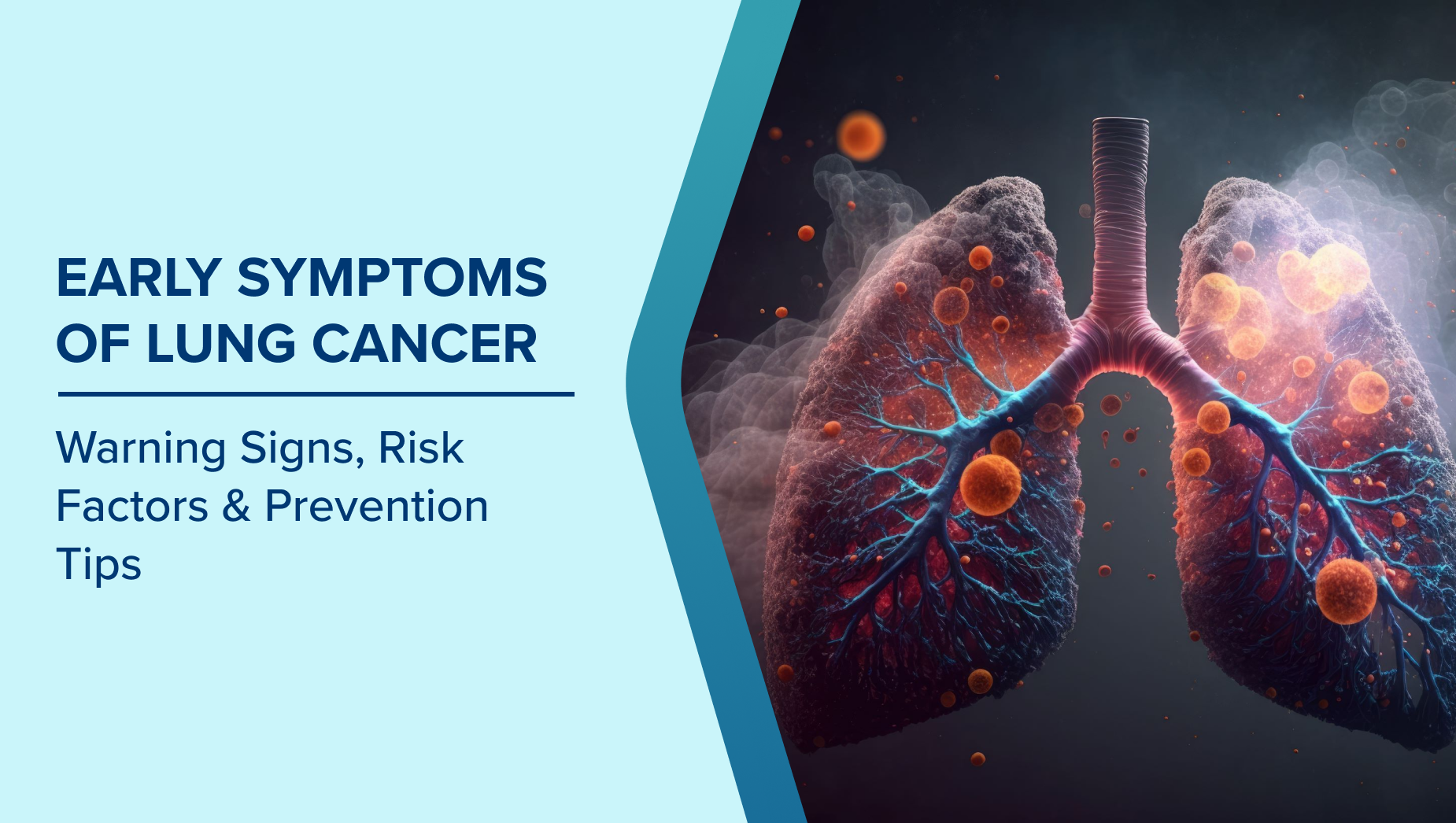
Call Us+91 926 888 0303Early Symptoms of Lung Cancer: Warning Signs, Risk Factors & Prevention Tips
By Dr. Kumardeep Dutta Choudhury in Medical Oncology , Cancer Care / Oncology , Thoracic Oncology
Jan 05 , 2026 | 1 min read

Lung cancer is one of the most common and serious forms of cancer worldwide. Detecting it early can be challenging because symptoms often appear only in the advanced stages. However, recognising early warning signs can make a significant difference in timely diagnosis and treatment.
Early Symptoms to Watch Out For
- Persistent Cough (lasting more than 8 weeks): One of the most common early signs of lung cancer is a nagging cough that doesn’t go away. This isn’t just any cough, it’s persistent and may worsen over time.
- Blood in Cough (Hemoptysis): Coughing up blood, even in small amounts, should never be ignored.
- Unexplained Weight Loss or Fatigue: Losing weight without trying can indicate several health issues, including lung cancer. If you’ve experienced significant weight loss without a clear reason, consult your doctor.
- Shortness of Breath or Wheezing: Experiencing breathing difficulties or wheezing, especially if it wasn’t present before, can be an early sign of lung cancer.
- Chest Pain: Persistent or worsening chest pain, particularly during coughing or breathing, is a red flag. Lung cancer can cause pain that is constant or comes and goes.
- Recurrent Pneumonia or Bronchitis: Frequent respiratory infections may indicate an underlying problem.
- Hoarseness or Voice Changes: A change in your voice, such as hoarseness, can occur if a tumour affects the nerves controlling the voice box (larynx).
- Fatigue: Feeling extremely tired or weak, even after adequate rest, is another warning sign. Cancer-related fatigue can be more severe than ordinary tiredness and doesn’t improve with rest.
Who is at Higher Risk?
- Long-term smokers or former smokers
- Individuals exposed to secondhand smoke
- People exposed to radon, asbestos, or other carcinogens
- Those with a family history of lung cancer
- Residents of highly polluted environments
Prevention Strategies
- Quit Smoking and Avoid Secondhand Smoke: Smoking is a major cause of lung cancer. Quitting significantly reduces your risk, even if you’ve smoked for years.
- Maintain a Healthy Lifestyle: A balanced diet and regular exercise strengthen your overall health and immune system.
- Reduce Exposure to Carcinogens and Pollutants: Limit contact with harmful substances such as asbestos, radon, and environmental pollutants.
- Schedule Regular Check-ups and Screenings: For high-risk individuals, screening can aid in detecting lung cancer early, when it is most treatable.
While lung cancer remains a serious challenge, proactive measures can reduce your risk. Staying informed about symptoms, prioritising prevention strategies, and opting for timely screening can significantly improve outcomes. If diagnosed, treatment options include surgery, radiation therapy, chemotherapy, targeted therapy, and immunotherapy, tailored to individual needs.
Written and Verified by:

Related Blogs


Dr. Meenu Walia In Medical Oncology , Cancer Care / Oncology
Aug 02 , 2016 | 4 min read
Blogs by Doctor
Early Lung Cancer Detection: How Advanced Screening Improves Survival
Dr. Kumardeep Dutta Choudhury In Cancer Care / Oncology , Thoracic Oncology , Robotic Surgery
Sep 23 , 2025 | 4 min read
Most read Blogs


Related Blogs
Dr. Meenu Walia In Medical Oncology , Cancer Care / Oncology
Aug 02 , 2016 | 4 min read
Blogs by Doctor
Early Lung Cancer Detection: How Advanced Screening Improves Survival
Dr. Kumardeep Dutta Choudhury In Cancer Care / Oncology , Thoracic Oncology , Robotic Surgery
Sep 23 , 2025 | 4 min read
Most read Blogs