 WhatsApp Us (24/7)
 +91 926 888 0303 (24/7)


To Book an Appointment
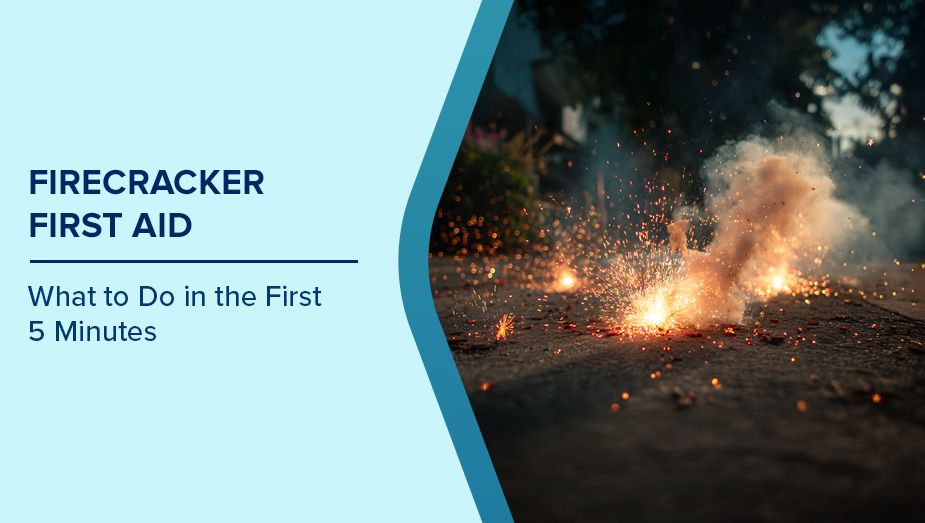
Call Us+91 926 888 0303Firecracker First Aid: What to Do in the First 5 Minutes
By Dr. Kishalay Datta in Emergency & Trauma
Oct 20 , 2025 | 6 min read

Festivals bring joy, lights, and fireworks. But along with the excitement, firecracker accidents can sometimes lead to painful burns. What you do in the very first five minutes after such an injury makes all the difference in reducing damage, easing pain, and preventing complications.
Many people panic or apply the wrong remedies, which can worsen the wound instead of helping. Knowing the right steps to take immediately after a firecracker burn can reduce complications and improve recovery, while also highlighting the importance of safety measures and timely medical care.
Why the First Five Minutes Matter
When the skin comes in contact with heat, chemicals, or sparks from firecrackers, the tissue can be damaged instantly. The heat continues to injure the skin even after the initial exposure, which is why quick and correct first aid is essential. Acting within the first five minutes can:
- Reduce pain and discomfort
- Prevent the burn from spreading deeper
- Lower the risk of infection
- Make further treatment easier and more effective
Knowing how to respond calmly ensures that the situation is under control and the patient receives the care they need without delay.
Step-by-Step First Aid for Firecracker Burns
Stay Calm and Ensure Safety
Before helping the injured person, make sure the surroundings are safe. Move away from firecrackers, smoke, or flames. Ask bystanders not to crowd the area, as panic often makes the situation worse. Remaining calm allows you to provide clear and effective help.
Remove the Source of Heat
Gently remove any burning material, fireworks debris, or clothing that has caught fire. Do not try to peel off fabric that is stuck to the skin, as it can cause more damage. Instead, carefully cut around the stuck fabric and leave it for medical professionals to handle.
Cool the Burn Under Running Water
Place the burnt area under cool running water for 15 to 20 minutes. This step is the most important, as it stops the burning process and helps reduce swelling and pain. Avoid using ice, very cold water, or butter, as they can damage the skin further.
Remove Constricting Items
Burns often cause rapid swelling. Remove rings, bangles, shoes, or tight clothing near the affected area before swelling begins. If left in place, these items can cut off circulation and make the injury worse.
Cover the Burn
After cooling, cover the burn with a clean, non-fluffy cloth, sterile gauze, or cling film. This protects the wound from infection, dust, and further injury until medical help is available. Avoid cotton wool or greasy dressings, as they may stick to the wound.
Manage Pain and Hydration
Give the person sips of water to prevent dehydration, especially if the burn is extensive. Over-the-counter pain relief can be offered if the person is in significant discomfort, but only if it is safe for them.
Seek Medical Attention Promptly
Not all burns can be managed at home. Burns on the face, hands, feet, or genitals, or those that are large and deep, need urgent medical care. Even seemingly small burns from firecrackers can cause long-term scarring or functional problems if ignored.
Types of Firecracker Burns You May Encounter
Firecrackers can cause different levels of burns depending on the intensity of the heat and the duration of exposure. Recognising the type of burn helps in deciding the right approach.
- First-degree burns: Affect only the outer layer of skin, causing redness, mild pain, and swelling. These are usually manageable with first aid.
- Second-degree burns: Involve deeper layers, leading to blisters, severe pain, and swelling. Medical attention is often needed.
- Third-degree burns: Damage all layers of the skin and underlying tissue. These burns may look white, charred, or leathery and require emergency hospital care.
What You Should Never Do After a Burn
Many people rely on home remedies or myths when dealing with burns. These practices can delay healing or even make the injury worse. Avoid the following:
- Do not apply toothpaste, ghee, oil, or butter.
- Do not break blisters, as it exposes the skin to infection.
- Do not use very cold water or ice directly on the wound.
- Do not cover the burn with an unclean cloth or cotton wool.
- Do not delay medical care if the burn is severe.
When to Seek Immediate Medical Help
Even if first aid is given correctly, some burns require urgent medical attention. You should seek help if:
- The burn is larger than the size of the palm.
- The injury is in sensitive areas like the face, eyes, hands, or genitals.
- The person shows signs of shock, such as pale skin, weakness, or shallow breathing.
- The wound looks charred, leathery, or numb (possible deep burn).
- The person is a child, elderly, or has existing medical conditions like diabetes.
Firecracker Burn Safety Tips During Festivals
Prevention is always better than cure, especially during festive celebrations when firecrackers are commonly used. Here are some key precautions:
- Always light fireworks in open spaces and keep a bucket of water nearby.
- Wear cotton clothes instead of synthetic fabrics that catch fire easily.
- Never let children handle fireworks unsupervised.
- Keep first aid supplies handy during celebrations.
- Avoid relighting or picking up half-lit crackers.
Special Care for Children and Families
Children are more vulnerable to firecracker burns due to their delicate skin and playful nature. Parents should:
- Educate children about firecracker safety.
- Set strict rules that children cannot light fireworks without adult supervision.
- Keep sparklers and smaller crackers away from toddlers.
- Immediately cool and cover the burn if an accident occurs, and seek medical care without delay.
Preventive Lifestyle Habits for Skin Healing
While accidents cannot always be avoided, maintaining good skin health can support recovery if an injury occurs. Eating a balanced diet, staying hydrated, and protecting the skin from sun damage help in faster healing after burns.
Conclusion
Burns from firecrackers can turn a moment of joy into a painful experience. The first five minutes after the accident are critical in preventing long-term damage. Cooling the burn under running water, protecting it from infection, and seeking timely medical care can make recovery smoother and safer. By staying informed, prepared, and cautious, families can celebrate festivals with joy and safety.
FAQs on Firecracker Burn First Aid
Can home remedies like toothpaste or turmeric help in firecracker burns?
No, these remedies can irritate the wound and increase the risk of infection. Stick to clean running water and proper first aid until medical help is available.
Is it safe to use antiseptic creams immediately after a burn?
It is best not to apply any creams, oils, or ointments in the first few minutes. Cooling the burn and covering it with a clean cloth is more effective until a doctor advises on medicines.
What should be included in a first aid kit during festivals to handle firecracker accidents?
A festival first aid kit should have sterile gauze, clean bandages, adhesive tape, burn ointment, pain relievers, scissors, and antiseptic wipes.
Are all firecracker burns considered emergencies?
Not all, but burns that are deep, large, or located on sensitive areas like the eyes, face, or hands require emergency care. Minor burns can often be managed at home with correct first aid.
Can burns from sparklers be serious?
Yes, sparklers burn at extremely high temperatures and can cause deep burns even though they look harmless. Always treat sparkler burns with caution and follow proper first aid steps.
Can jewellery or accessories increase the severity of burns?
Yes, metal jewellery can retain heat and worsen the injury. Rings, bangles, or watches should be removed immediately after a burn to prevent swelling and tissue damage.
Does applying cold water for too long harm the skin?
Yes, Cooling should be done for 15 to 20 minutes only. Prolonged soaking can damage the skin further and increase the risk of infection.
Written and Verified by:

Related Blogs

Dr. Tamorish Kole In Emergency Medicine , Emergency & Trauma
Nov 07 , 2020 | 2 min read

Blogs by Doctor

7 Necessary Things You Need to Know For an ER Stay
Dr. Kishalay Datta In Emergency & Trauma
Nov 08 , 2020 | 1 min read

Most read Blogs


Related Blogs
Dr. Tamorish Kole In Emergency Medicine , Emergency & Trauma
Nov 07 , 2020 | 2 min read
Blogs by Doctor
7 Necessary Things You Need to Know For an ER Stay
Dr. Kishalay Datta In Emergency & Trauma
Nov 08 , 2020 | 1 min read
Most read Blogs