 WhatsApp Us (24/7)
 +91 926 888 0303 (24/7)


To Book an Appointment
Call Us+91 926 888 0303How Life Changes After a Liver Transplant: Recovery & Work
By Dr. Amit Mahendra Gulhane in Gastroenterology, Hepatology & Endoscopy , Liver Transplant and Biliary Sciences
Jan 09 , 2026

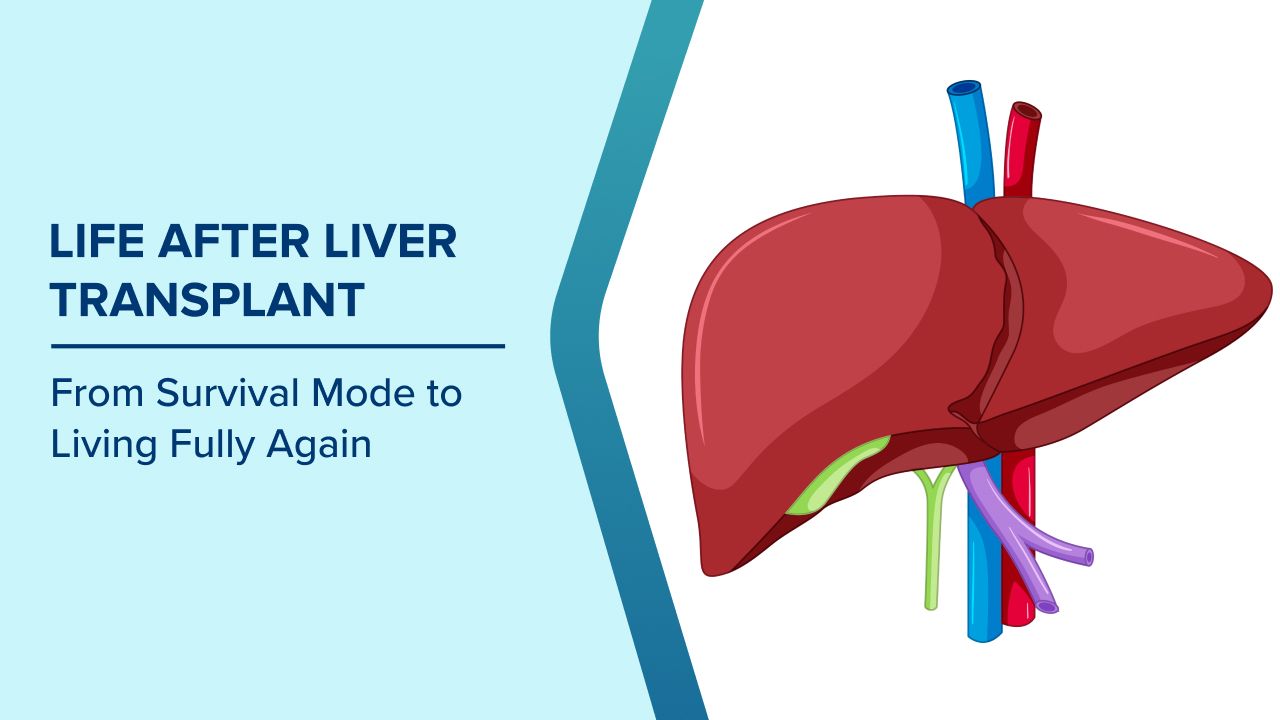
A liver transplant is often described as a second chance at life. Yet, once the hospital visits slow down and the immediate medical concerns fade into the background, many people realise that the real journey is only beginning. Life after a liver transplant is not just about physical recovery. It is about rebuilding confidence, redefining identity, reconnecting with the world, and learning how to live without the constant shadow of illness.
For years, life may have revolved around symptoms, uncertainty, and limitations. After a transplant, survival mode slowly gives way to something deeper and more complex. This phase brings freedom, gratitude, fear, excitement, and sometimes confusion, all at once. Understanding this transition helps transplant recipients move forward with clarity and self-trust.
The Emotional Shift From Illness to Stability
Living with liver disease often means living with unpredictability. Plans are postponed, energy is rationed, and every good day feels fragile. After a transplant, when the body begins to stabilise, the mind can take longer to catch up.
Many people describe an emotional lag. Even when physically stronger, they may still feel mentally guarded. The fear of falling ill again, of losing control, or of trusting the body can linger. This response is natural after a prolonged health struggle.
Gradually, emotional stability develops as confidence grows. Moments that once felt impossible, such as planning ahead or committing to social events, start to feel safe again. The mind learns, slowly and gently, that survival is no longer the only goal.
Learning to Trust Your Body Again
Before a transplant, the body often feels like a source of disappointment. Fatigue, discomfort, and limitations can erode trust over time. After surgery, even when recovery progresses well, many people struggle to believe their body will support them long-term.
Rebuilding this trust is not instant. It develops through everyday experiences. Walking without exhaustion, waking up without dread, and completing daily tasks without fear all contribute to renewed confidence. These small wins accumulate and reshape how a person relates to their body.
Trust is not about ignoring vulnerability. It is about recognising strength while respecting limits. Over time, the body becomes an ally again rather than something to manage constantly.
Identity Beyond the Illness
Long-term illness can quietly take over identity. Conversations revolve around health. Decisions are shaped by physical limitations. Personal goals are often paused.
After a liver transplant, many people ask an unexpected question. Who am I now?
Letting go of the sick identity can feel unsettling. The illness may have shaped routines, relationships, and even self-worth. Moving beyond it requires redefining purpose without the lens of disease.
Some rediscover interests they once abandoned. Others explore new directions shaped by resilience and perspective gained through illness. Identity evolves, becoming broader and more self-directed rather than illness-centred.
Returning to Work and Purpose
Work after a liver transplant is not just about employment. It is about confidence, independence, and regaining a sense of contribution.
For some, returning to a previous role feels empowering. For others, priorities shift. The transplant experience often reshapes how people view success, stress, and time.
Key emotional challenges during this phase include:
- Fear of being perceived as fragile
- Worry about stamina or consistency
- Pressure to perform as before
- Uncertainty about long-term capacity
Over time, many find that work becomes more intentional. Boundaries feel clearer. Purpose is no longer tied solely to productivity but to balance and meaning.
Relationships After Transplant
Illness affects not only the patient but also the people around them. Family members may have become caregivers. Friends may have stepped back or stayed close. After a transplant, these dynamics often shift again.
Loved ones may continue to worry, sometimes more than the recipient does. This can feel protective but also restrictive. Clear communication becomes essential.
Romantic relationships may change too. Concerns about intimacy, body confidence, or emotional vulnerability are common. Open dialogue and patience help rebuild connection without fear.
Social circles often evolve. Some relationships deepen, while others fade. This change is not a loss but a reflection of growth and alignment.
Body Image and Self-Acceptance
Surgical scars and physical changes can affect how people see themselves. Even when grateful for survival, adjusting to a changed body takes time.
Self-acceptance grows through reframing. Scars become symbols of endurance rather than imperfection. Strength replaces comparison. Confidence emerges not from appearance but from lived experience.
Looking at the body with kindness rather than judgment allows emotional healing to match physical recovery.
Living Without Constant Health Anxiety
One of the most significant shifts after a liver transplant is learning to live without constant fear. Before surgery, every symptom may have felt urgent. Afterwards, the nervous system can remain on high alert long after danger has passed.
Letting go of this vigilance does not mean becoming careless. It means recognising when anxiety no longer serves a purpose.
Moments of calm may initially feel unfamiliar. Over time, peace becomes the new normal. Life expands beyond monitoring and worrying, creating space for joy, spontaneity, and rest.
Independence After Dependence
During illness, many people rely heavily on others. Decisions, travel, and even daily activities may have required assistance. After a transplant, regaining independence is both liberating and intimidating.
Simple acts like going out alone or making plans without medical considerations mark emotional milestones. Independence restores dignity and reinforces self-belief.
This phase teaches balance. Accepting help when needed while trusting oneself again builds emotional resilience.
Conclusion
Life after liver transplant is not just recovery. It is reinvention. Moving from survival to living fully takes time, patience, and self compassion. With each passing day, confidence grows, identity strengthens, and life opens up again. The journey forward is not defined by illness, but by resilience, awareness, and the freedom to live with intention.
Frequently Asked Questions
How long does it take to feel emotionally settled after a liver transplant?
Emotional adjustment varies widely. Many people feel mentally stable within a year, but deeper emotional confidence can continue developing for several years as life experiences reinforce security.
Is it normal to feel guilty about receiving a transplant?
Yes, some people struggle with guilt, especially when thinking about the donor. Over time, many reframe this emotion into responsibility and purpose, choosing to honour the gift through mindful living.
Can life feel normal again after a liver transplant?
Normal often feels different rather than identical to life before illness. Many people report a stronger sense of calm, clearer priorities, and a more meaningful version of normal.
Do people worry less about health as time passes?
Yes, health-related anxiety usually decreases as stability continues. Trust builds through lived experience, allowing the mind to relax gradually.
Does a liver transplant change how people view the future?
Often, yes. Many become more present-focused, valuing quality over speed and depth over routine expectations.
Written and Verified by:

Related Blogs

Dr. Nivedita Pandey In Gastroenterology, Hepatology & Endoscopy , Liver Transplant and Biliary Sciences
Nov 07 , 2020 | 2 min read
Dr. Nivedita Pandey In Gastroenterology, Hepatology & Endoscopy , Liver Transplant and Biliary Sciences
Nov 07 , 2020 | 2 min read
Blogs by Doctor
Most read Blogs


Related Blogs
Dr. Nivedita Pandey In Gastroenterology, Hepatology & Endoscopy , Liver Transplant and Biliary Sciences
Nov 07 , 2020 | 2 min read
Dr. Nivedita Pandey In Gastroenterology, Hepatology & Endoscopy , Liver Transplant and Biliary Sciences
Nov 07 , 2020 | 2 min read
Blogs by Doctor
Most read Blogs