 WhatsApp Us (24/7)
 +91 926 888 0303 (24/7)


To Book an Appointment
Call Us+91 926 888 0303How Lifestyle Affects Liver Function: Benefits & Causes
By Dr. Waliullah Siddiqui in Liver Transplant and Biliary Sciences
Feb 12 , 2026

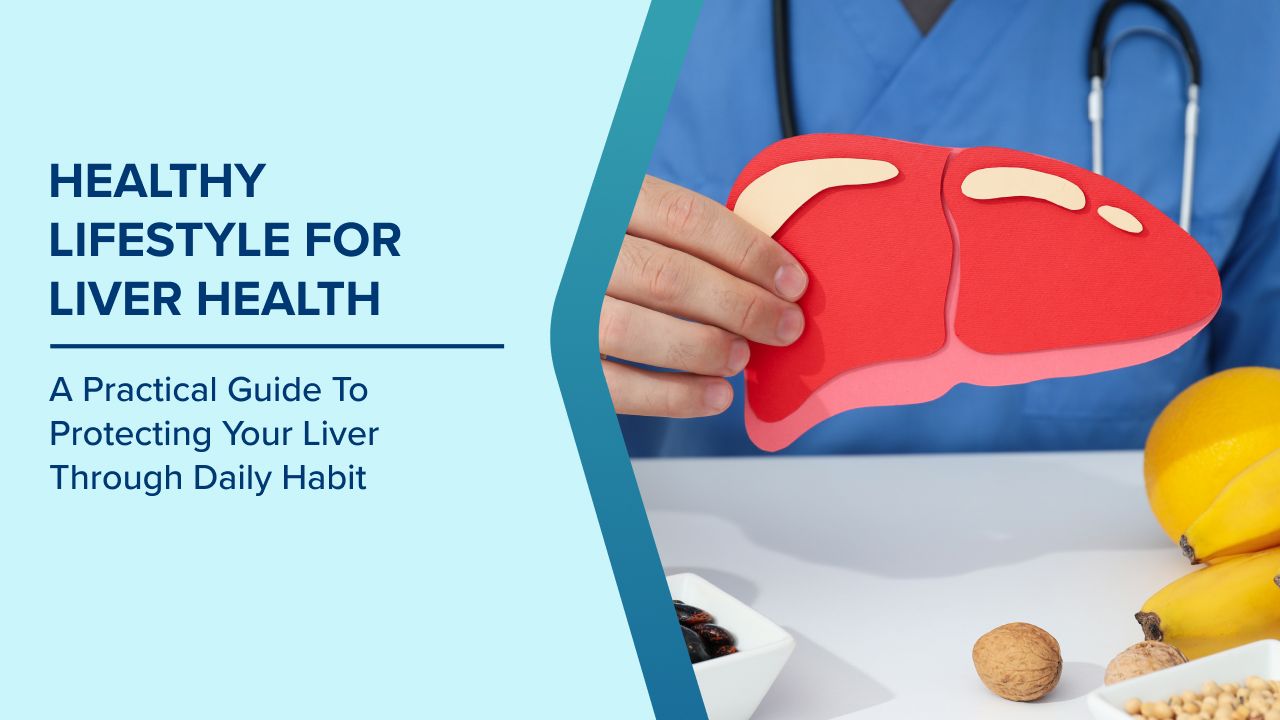
A healthy lifestyle plays a central role in protecting the liver and supporting its ability to perform more than 500 essential functions in the body. The liver helps digest food, regulate metabolism, store energy, balance hormones, and remove toxins from the blood.
Healthy lifestyle benefits for liver health include reducing fat accumulation in the liver, lowering inflammation, improving detoxification, and preventing long-term liver damage.
What Is Liver Health And Why Does It Matter?
Liver health refers to the liver’s ability to carry out its normal functions without inflammation, fat overload, scarring, or failure.
When liver health declines, poor liver function can lead to fatigue, hormonal imbalance, metabolic disorders, and serious complications such as cirrhosis or liver cancer.
How Lifestyle Affects Liver Function
Key ways lifestyle affects liver health include:
- Excess calorie intake leading to fat buildup inside liver cells
- Sedentary behaviour reduces insulin sensitivity
- Alcohol increases liver inflammation and cell injury
- Poor sleep altering liver metabolism and detox cycles
- Chronic stress affecting hormone balance and fat storage
Over time, these factors can contribute to fatty liver disease.
Causes And Risk Factors Linked To Unhealthy Lifestyle Habits
Diet-related risk factors
- High intake of processed foods and sugary beverages
- Excess refined carbohydrates and unhealthy fats
- Frequent overeating and irregular meal timing
These habits worsen insulin resistance.
Physical inactivity
Lack of regular movement increases the risk of non alcoholic fatty liver disease.
Alcohol consumption
Long-term alcohol use significantly increases the risk of alcoholic liver disease.
Obesity and metabolic syndrome
Conditions like type 2 diabetes and high cholesterol increase liver strain.
Symptoms And Early Warning Signs Of Poor Liver Health
- Persistent tiredness or low energy
- Unexplained weight gain
- Digestive discomfort or bloating
- Loss of appetite or nausea
- Mild pain on the right side of the abdomen
Diagnosis And Medical Tests For Liver Health
- Liver function blood tests
- Ultrasound or imaging studies
- Fibrosis assessment
- Metabolic screening for diabetes
Healthy Lifestyle Benefits For The Liver
Balanced nutrition and liver repair
- Reduced fat accumulation
- Improved insulin sensitivity
- Lower oxidative stress
Regular physical activity
- Decreased liver fat levels
- Better blood sugar control
- Reduced inflammation
Weight management
Even modest weight loss improves liver enzymes.
Limiting alcohol
Reducing alcohol lowers the risk of inflammation and scarring.
Sleep quality
Regular sleep improves liver efficiency.
Stress management
Techniques like stress management support liver balance.
Prevention Tips
- Eating balanced meals
- Staying physically active
- Limiting alcohol intake
- Maintaining healthy body weight
- Getting periodic liver checks
Complications If Liver Health Is Ignored
- Liver fibrosis and cirrhosis
- Portal hypertension
- Liver failure
- Increased risk of liver cancer
Conclusion
Small, consistent changes in diet, movement, sleep, and stress management can significantly reduce liver risk and even reverse early damage.
Frequently Asked Questions
Is fatty liver disease reversible?
Yes, early-stage fatty liver disease can often be reversed through lifestyle changes.
How long does it take to improve liver health?
Improvement may begin within weeks, but meaningful recovery often takes several months.
Can supplements improve liver health?
Supplements should only be taken after consulting a healthcare professional.
Is alcohol completely unsafe?
People with liver disease should avoid alcohol completely.
When should someone get tested?
Anyone with obesity, diabetes, or long-term alcohol use should consider testing.
Written and Verified by:

Related Blogs

Prof (Dr.) Subhash Gupta In Liver Transplant and Biliary Sciences
Nov 07 , 2020 | 2 min read

Dr. Nivedita Pandey In Gastroenterology, Hepatology & Endoscopy , Liver Transplant and Biliary Sciences
Nov 07 , 2020 | 2 min read
Blogs by Doctor
Post-Liver Transplant Diet: Foods and Nutrition Tips for Faster Healing
Dr. Waliullah Siddiqui In Liver Transplant and Biliary Sciences , Gastrointestinal & Hepatobiliary Oncology , Gastrointestinal Surgery , Gastro Intestinal & Hepatopancreatobiliary Surgical Oncology , Robotic Surgery
Oct 14 , 2025 | 4 min read
Most read Blogs


Related Blogs
Prof (Dr.) Subhash Gupta In Liver Transplant and Biliary Sciences
Nov 07 , 2020 | 2 min read
Dr. Nivedita Pandey In Gastroenterology, Hepatology & Endoscopy , Liver Transplant and Biliary Sciences
Nov 07 , 2020 | 2 min read
Blogs by Doctor
Post-Liver Transplant Diet: Foods and Nutrition Tips for Faster Healing
Dr. Waliullah Siddiqui In Liver Transplant and Biliary Sciences , Gastrointestinal & Hepatobiliary Oncology , Gastrointestinal Surgery , Gastro Intestinal & Hepatopancreatobiliary Surgical Oncology , Robotic Surgery
Oct 14 , 2025 | 4 min read
Most read Blogs