 WhatsApp Us (24/7)
 +91 926 888 0303 (24/7)


To Book an Appointment
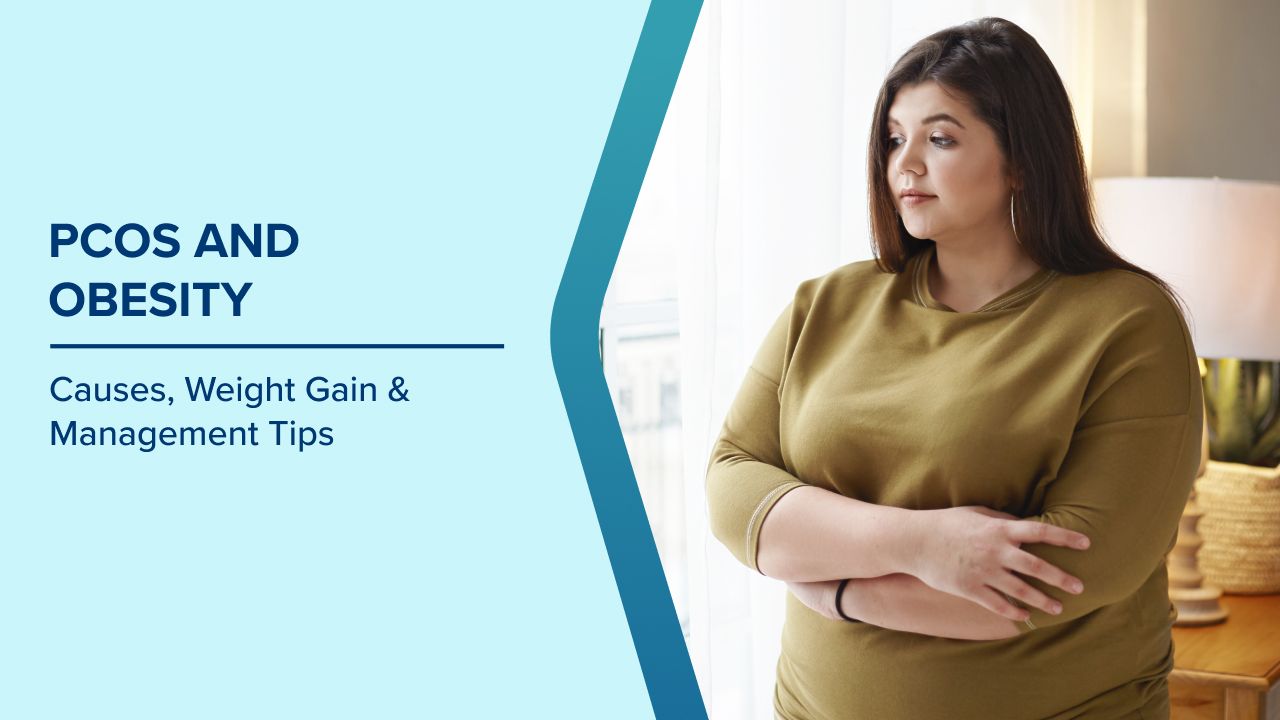
Call Us+91 926 888 0303PCOS and Obesity: Causes, Weight Gain & Management Tips
By Dr Seema Bhardwaj in Obstetrics And Gynaecology
Apr 08 , 2026

For many women, managing weight can feel like an ongoing challenge. When conditions like PCOS enter the picture, this struggle often becomes more complex. Weight gain may appear without a clear reason, and losing it can feel unusually difficult despite effort.
This raises an important question. Does obesity lead to PCOS, or does PCOS cause weight gain? The answer is not as straightforward as it may seem. In most cases, the two are closely linked and can influence each other in a continuous cycle.
Understanding this connection can help women take a more informed and practical approach to managing their health.
What Is PCOS?
PCOS, or polycystic ovary syndrome, is a hormonal condition that affects how the ovaries function. It can lead to irregular periods, changes in hormone levels, and difficulty with ovulation.
Many women with PCOS also notice changes in weight, skin, and hair growth patterns. However, not all symptoms appear in the same way for everyone.
What Does Obesity Mean?
Obesity refers to excess body fat that may affect overall health. In PCOS, weight gain is often more noticeable around the abdomen.
This type of fat distribution is important because it is closely linked to hormonal and metabolic changes in the body.
The Two-Way Relationship Between PCOS and Obesity
PCOS and obesity are often connected in a way that makes it difficult to identify which comes first.
How PCOS Can Lead to Weight Gain
Hormonal imbalance in PCOS can affect how the body processes food and stores energy.
Common factors include:
- Increased insulin levels, which promote fat storage
- Changes in appetite regulation
- Slower metabolism in some individuals
- Fatigue that reduces physical activity
These factors can lead to gradual weight gain over time, even without major changes in diet.
How Obesity Can Worsen PCOS
Excess body fat can further disrupt hormone balance.
This may result in:
- Increased production of male hormones
- More irregular menstrual cycles
- Greater difficulty with ovulation
- Worsening of symptoms such as acne or unwanted hair growth
This creates a cycle where PCOS leads to weight gain, and weight gain further aggravates PCOS.
The Role of Hormonal Imbalance
Hormones act as chemical messengers in the body. In PCOS, this balance is disturbed, affecting several key systems.
Insulin Resistance
One of the most important factors is insulin resistance. This means the body does not respond effectively to insulin, leading to higher levels in the bloodstream.
High insulin levels can:
- Increase fat storage
- Trigger hunger more frequently
- Influence hormone production
Androgen Levels
Women with PCOS may have higher levels of androgens. These hormones can contribute to symptoms such as acne and hair growth, but they also influence weight distribution.
Appetite and Energy Signals
Hormonal imbalance may affect how the body signals hunger and fullness. This can make it harder to maintain a consistent eating pattern.
Why Weight Loss Feels Difficult in PCOS
Many women with PCOS report that weight loss feels harder compared to others.
This is not just about diet or exercise. Several internal factors contribute to this challenge:
- Hormonal fluctuations that affect metabolism
- Increased cravings linked to insulin changes
- Difficulty in maintaining energy levels for physical activity
Signs That Weight and PCOS Are Linked
Some signs may indicate that weight gain is connected to PCOS:
- Rapid or unexplained weight gain
- Difficulty losing weight despite effort
- Irregular periods along with weight changes
- Increased fat around the abdomen
Recognising these patterns can help in seeking timely medical advice.
Breaking the Cycle Between PCOS and Obesity
Although the connection between PCOS and obesity can feel overwhelming, the cycle can be managed with the right approach.
Practical Steps That Can Help
- Focus on balanced meals rather than strict dieting
- Include regular physical activity suited to your energy levels
- Maintain a consistent sleep routine
- Manage stress through simple relaxation techniques
Even small, steady changes can improve how the body responds over time.
Treatment Options for PCOS with Obesity
Treatment is usually personalised based on symptoms and health goals.
Medical Support
Doctors may recommend medications to:
- Improve insulin sensitivity
- Regulate menstrual cycles
- Manage specific symptoms
Lifestyle-Based Approach
Lifestyle changes remain a key part of treatment.
- Structured meal planning
- Gradual increase in physical activity
- Long-term habits rather than quick fixes
Combined Approach
In many cases, a combination of medical and lifestyle strategies works best. This helps address both hormonal imbalance and weight management.
A More Realistic Perspective on Weight and PCOS
It is important to understand that weight gain in PCOS is not simply a result of lifestyle choices. Hormonal and metabolic factors play a significant role.
Instead of focusing only on weight loss, a broader approach that includes overall health, energy levels, and symptom control can be more effective.
This shift in perspective often leads to better long-term outcomes.
When to Seek Medical Advice
If you notice ongoing weight changes along with symptoms such as irregular periods or hormonal concerns, it is important to consult a healthcare professional.
Early guidance can help:
- Identify underlying causes
- Create a personalised treatment plan
- Prevent symptoms from worsening
Conclusion
PCOS and obesity are closely connected, and in many cases, they influence each other in a continuous cycle. Rather than viewing one as the cause and the other as the result, it is more helpful to understand their relationship as interconnected.
With the right combination of medical care and lifestyle changes, it is possible to manage both effectively. The key lies in early awareness, realistic expectations, and a consistent approach to health.
FAQs
1. Can women with PCOS have a healthy weight
Yes, not all women with PCOS are overweight. Some may have a normal weight but still experience a hormonal imbalance.
2. Does PCOS always lead to obesity
No, weight gain is common but not universal. The condition can present differently in each individual.
3. Can weight fluctuate frequently in PCOS
Yes, some women may experience periods of weight gain and loss due to hormonal changes.
4. Is it possible to prevent weight gain in PCOS
While it may not always be fully preventable, early management can help reduce the risk and control changes.
5. Does managing weight improve overall well-being in PCOS
Yes, maintaining a stable and healthy weight can support better energy levels and overall health.
Written and Verified by:

Related Blogs

Dr. Manju Khemani In Obstetrics And Gynaecology
Oct 27 , 2020 | 3 min read

Dr. Neera Aggarwal In Obstetrics And Gynaecology , Nutrition And Dietetics
Nov 07 , 2020 | 7 min read
Blogs by Doctor
Most read Blogs

Related Blogs
Dr. Manju Khemani In Obstetrics And Gynaecology
Oct 27 , 2020 | 3 min read
Dr. Neera Aggarwal In Obstetrics And Gynaecology , Nutrition And Dietetics
Nov 07 , 2020 | 7 min read
Blogs by Doctor
Most read Blogs