 WhatsApp Us (24/7)
 +91 926 888 0303 (24/7)


To Book an Appointment
Call Us+91 926 888 0303How to Manage Cardiac Emergencies at Home: Steps & Common Mistakes
By Dr. Yogendra Singh in Cardiac Sciences , Cardiology , Interventional Cardiology , Cardiac Electrophysiology-Pacemaker
Feb 12 , 2026

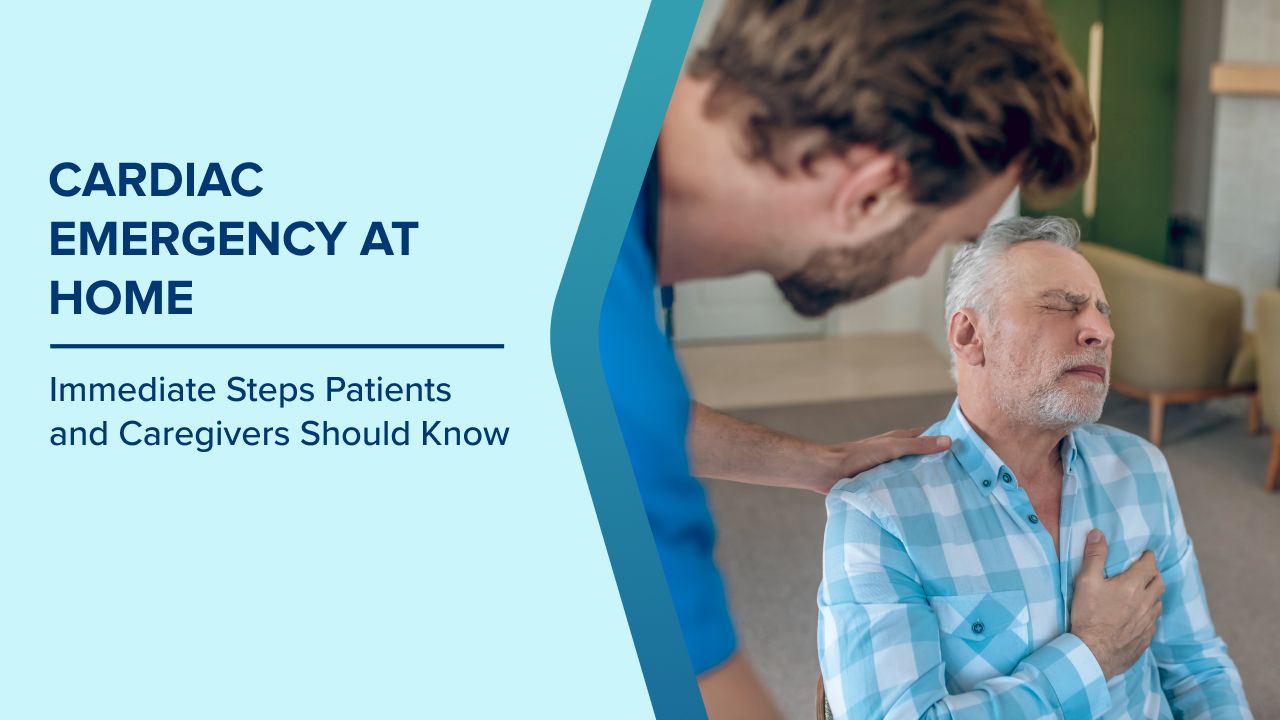
Cardiac emergencies such as heart attacks, sudden chest pain, or dangerous heart rhythm problems can begin at home and worsen within minutes. Quick action before medical help arrives can reduce heart damage and improve survival. Recognising early warning signs, keeping the person calm, and taking safe first steps at home are critical while emergency services are on the way. Knowing what to do and what to avoid can make a life-saving difference.
Understanding Cardiac Emergencies at Home
Cardiac emergencies include heart attacks, arrhythmias, and sudden cardiac arrest. These situations can escalate quickly and sometimes appear without warning. Common signs that suggest urgent attention include:
- Severe or persistent chest discomfort
- Shortness of breath that does not improve with rest
- Dizziness or fainting
- Nausea, cold sweat, or palpitations
Recognising these signs early is the first step toward reducing risk. Many patients and caregivers are unsure how to respond, which can delay treatment. Understanding basic home management strategies empowers families to act confidently.
Why Immediate Action Matters
When a cardiac event occurs, time is muscle. Heart tissue begins to lose function within minutes of a blockage or the onset of an arrhythmia. Delaying care, even by a few minutes, can significantly affect recovery and long-term heart health.
Even with quick hospital access, what happens in the first moments at home can influence outcomes. Preparing mentally, knowing the steps to take, and having essential tools ready are crucial for survival.
Step-by-Step Guide to Handling Cardiac Emergencies at Home
Stay Calm and Assess the Situation
Panic increases heart rate and blood pressure, which can worsen a cardiac event. Take a deep breath and focus on the following:
- Identify the person’s symptoms clearly
- Check if they are conscious and responsive
- Note the time when symptoms began, as this is important for medical staff
Call Emergency Services Immediately
Dial the local emergency number without delay. Clearly describe:
- The patient’s age and medical history
- Current symptoms
- Any medications the person is taking
While waiting for help, avoid unnecessary movement unless required for safety.
Encourage Rest and Comfortable Positioning
- Have the patient sit upright or slightly reclined to ease strain on the heart
- Loosen tight clothing to improve breathing
- Avoid lying flat if the patient is struggling to breathe
Administer Aspirin if Appropriate
If the patient is not allergic and has no contraindications:
- Give a standard dose (usually 75–150 mg) to chew slowly
- Chewing helps the medication act faster than swallowing whole tablets
Always confirm with a healthcare provider before giving aspirin if you are unsure.
Monitor Breathing and Heartbeat
- Observe for irregular breathing or loss of pulse
- If the patient becomes unresponsive, prepare to start CPR
Start CPR if Necessary
For unresponsive patients with no breathing or pulse:
- Place the heel of one hand on the centre of the chest and the other hand on top
- Push hard and fast, about 100 to 120 compressions per minute
- Allow full chest recoil after each compression
- Continue until medical help arrives or the patient regains consciousness
If available, use an automated external defibrillator (AED) following the device instructions.
Common Mistakes to Avoid During a Cardiac Emergency
Even well-intentioned actions can be harmful. Avoid:
- Giving food or water to an unconscious person
- Waiting to see if symptoms improve on their own
- Leaving the patient alone
- Using excessive force during CPR without proper technique
Staying informed about correct procedures reduces risks and improves outcomes.
Home Preparedness for Cardiac Emergencies
Prevention and readiness can save lives. Consider these steps:
- Keep emergency contact numbers visible and accessible
- Maintain a first aid kit, including aspirin and gloves
- Learn CPR and AED usage for all family members
- Keep a list of the patient’s medications and medical conditions
- Install smoke detectors and ensure safe home lighting to prevent falls during emergencies
Having a plan reduces panic and enables faster action.
Emotional and Psychological Support During an Emergency
Heart events are not just physical. Fear and anxiety can worsen symptoms. Caregivers should:
- Speak calmly to reassure the patient
- Avoid loud or hurried movements
- Keep family members informed without creating panic
Emotional support improves cooperation and reduces stress on the patient’s heart.
When to Seek Medical Attention Even After Symptoms Subside
Some events may appear mild at first but can escalate:
- Chest tightness that fades but recurs
- Mild dizziness or fatigue after exertion
- Palpitations or irregular heartbeat noticed intermittently
Even if symptoms decrease, follow-up evaluation is essential. Cardiac testing, imaging, and blood tests help detect silent heart issues that could be life-threatening later.
Lifestyle Measures That Support Home Safety
Beyond emergency management, daily habits influence outcomes:
- Maintain a balanced diet low in sodium and saturated fats
- Engage in moderate physical activity approved by a cardiologist
- Monitor blood pressure and blood sugar regularly
- Avoid smoking and limit alcohol intake
- Ensure proper rest and stress management
These measures reduce the risk of emergencies and improve recovery if one occurs.
Recognising Hidden Cardiac Risks at Home
Even in the absence of known heart disease, certain conditions raise risk:
- High blood pressure or uncontrolled diabetes
- Sedentary lifestyle and obesity
- Family history of heart disease
- Prior chest discomfort or palpitations
Awareness of these risk factors helps families act swiftly when early signs appear.
When to Consider Advanced Home Safety Measures
For high-risk patients, additional precautions include:
- Keeping an AED at home if recommended by a cardiologist
- Scheduling regular cardiac check-ups, including ECG and echocardiography
- Enrolling in cardiac rehabilitation programs after heart events
- Using wearable heart monitors for real-time tracking in select patients
Proactive measures ensure better outcomes and confidence for both patients and caregivers.
Conclusion
Cardiac emergencies at home can be frightening, but knowledge, preparation, and calm action save lives. Recognising early warning signs, calling for help quickly, and administering first aid correctly provides the patient the best chance of survival. Families equipped with practical skills, medications, and emotional support can respond confidently. Combining preparedness with ongoing heart-healthy habits ensures that patients live safer, more empowered lives even in the face of unexpected cardiac events.
Frequently Asked Questions
Can I give aspirin to everyone during a suspected heart attack?
No, only give aspirin if the person is not allergic, has no stomach bleeding issues, and a healthcare provider has previously recommended it.
How long should CPR be continued at home?
CPR should continue until the patient regains consciousness, starts breathing normally, or professional help arrives.
What if the patient has diabetes or takes blood thinners?
Continue to follow prescribed medications. Inform emergency responders about all medications and doses to ensure safe treatment.
Are there signs that indicate an immediate risk of cardiac arrest?
Severe chest pain, sudden shortness of breath, loss of consciousness, and irregular or absent pulse are urgent warning signs.
Can home monitoring prevent emergencies?
Monitoring blood pressure, heart rate, and warning symptoms can help detect problems early, but emergencies can still occur unexpectedly. Immediate action is crucial.
Is it safe to move a patient during chest pain?
Limit movement. Keep them seated or slightly reclined. Only move if there is immediate danger in their current location.
Written and Verified by:

Related Blogs

Dr. Ritwick Raj Bhuyan In Cardiac Sciences , Cardiac Surgery (CTVS)
Nov 08 , 2020 | 2 min read

Dr. Gaurav Minocha In Cardiac Sciences
Nov 08 , 2020 | 4 min read
Blogs by Doctor

Most Effective Tips to Keep Heart Healthy
Dr. Yogendra Singh In Cardiology
Dec 29 , 2022 | 2 min read

Heart Failure: Awareness on Symptoms, Causes, and Debunking Misconceptions
Dr. Yogendra Singh In Cardiology
Feb 21 , 2024 | 2 min read
Most read Blogs


Related Blogs
Dr. Ritwick Raj Bhuyan In Cardiac Sciences , Cardiac Surgery (CTVS)
Nov 08 , 2020 | 2 min read
Dr. Gaurav Minocha In Cardiac Sciences
Nov 08 , 2020 | 4 min read
Blogs by Doctor
Most Effective Tips to Keep Heart Healthy
Dr. Yogendra Singh In Cardiology
Dec 29 , 2022 | 2 min read
Heart Failure: Awareness on Symptoms, Causes, and Debunking Misconceptions
Dr. Yogendra Singh In Cardiology
Feb 21 , 2024 | 2 min read
Most read Blogs