 WhatsApp Us (24/7)
 +91 926 888 0303 (24/7)


To Book an Appointment
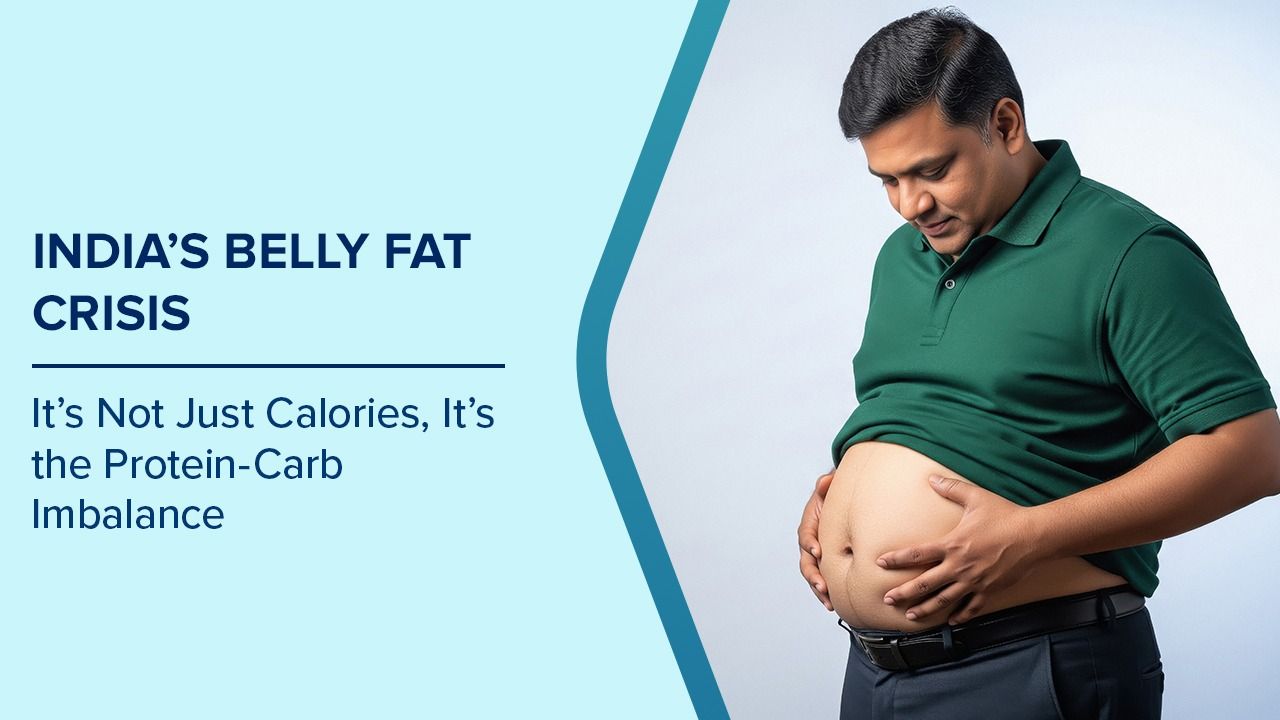
Call Us+91 926 888 0303India’s Belly Fat Crisis: It’s Not Just Calories, It’s the Protein-Carb Imbalance
By Dr (Prof) Atul N.C. Peters in Bariatric Surgery / Metabolic
May 14 , 2026

Belly fat is becoming an increasingly common concern in India, affecting people across all age groups and income levels, not just the wealthy or sedentary. For years, the standard advice has been simple: eat fewer calories and exercise more. But if calorie counting alone were the solution, this crisis would have been solved long ago. The truth is more complex and depends on what we eat rather than just how much. A major factor often overlooked is the imbalance between protein and carbohydrates in the average Indian diet. While plates are filled with refined grains and starchy foods, protein often remains minimal, limited to a small portion of dal or a few pieces of paneer that barely meet the body’s needs. This blog will explain what is wrong with the traditional Indian diet, the role of protein-carb imbalance, how to spot it, and practical steps to correct it.
What is Wrong with the Traditional Indian Diet?
The traditional Indian diet has many strengths, especially its focus on home-cooked meals, seasonal produce, and a variety of grains and spices. The concern begins with how the diet has changed over time. Modern eating patterns rely heavily on large portions of refined grains such as white rice and wheat flour, often forming the bulk of most meals. These grains are high in carbohydrates that digest quickly and leave the body hungry again soon after eating.
Protein, on the other hand, takes up very little space on the plate. For many households, it is limited to a small serving of dal or a few bites of paneer, which is not enough to meet daily needs.
This protein-carb imbalance becomes more pronounced with frequent snacking on foods that add even more carbohydrates but almost no protein.
How Does a Protein-Carb Imbalance Cause Belly Fat?
A balanced protein-carb ratio supports the body in several ways that make belly fat easier to manage. Many Indian meals are heavily tilted toward carbohydrates, so even small increases in protein and slight reductions in refined carbs can create noticeable changes in appetite, metabolism, and overall fat storage. Some key benefits of improving this balance include:
- Better appetite control: Protein slows digestion and keeps the stomach full for a longer time. This reduces constant hunger, late-night snacking and overeating during meals. Over time, this supports a gradual reduction in abdominal fat as the body stops storing extra calories.
- Steadier and more sustained energy: Carbohydrates give the body quick energy but this energy drops fast when eaten alone. When carbs are paired with protein, the release becomes smoother and lasts longer. This helps prevent the mid-morning or mid-evening slump that often leads to seeking sugary foods.
- Support for muscle repair and calorie burning: Protein helps maintain lean muscle mass. Muscles burn more calories even at rest, which helps the body manage weight more effectively. A stronger muscle base also improves posture and physical activity tolerance, both of which play a role in reducing belly fat.
- Reduced blood sugar spikes after meals: Eating carbohydrates alone can raise blood sugar sharply, which encourages the body to store more fat around the abdomen. Adding protein slows down how quickly sugar enters the bloodstream, helping maintain stable sugar levels through the day.
- Natural improvement in portion control: When meals include enough protein, the body feels satisfied without needing large servings. This naturally reduces the quantity of rice, roti, bread or snacks consumed, which helps create a calorie deficit in a more comfortable way.
- Lower cravings for high-fat and sugary foods: High-carb meals, especially refined ones, can trigger cravings soon after eating. Protein balances this effect and reduces the desire for quick snacks such as sweets, chips or fried items. This leads to a more balanced pattern of eating throughout the day.
- Better hormonal balance: Protein influences hormones that control appetite. It helps regulate ghrelin, the hunger hormone, and supports leptin, the fullness hormone. Better hormonal balance makes it easier to maintain consistent eating habits.
Signs You May Have a Protein-Carb Imbalance
A protein-carb imbalance does not show up overnight. It builds slowly and affects several day-to-day functions in the body. Some signs to watch out for include:
- Hunger soon after meals: Meals dominated by rice, wheat, potatoes or other refined carbs digest quickly. Without enough protein to slow digestion, the stomach empties faster. This makes a person feel hungry again even after eating a full plate.
- Cravings for sweets and fried foods: A carb-heavy diet causes quick rises in blood sugar followed by sudden drops. These drops push the body to look for fast fuel, often in the form of sugary or fried snacks. This becomes a cycle that repeats through the day.
- Low energy and fatigue: High-carb meals give quick energy but do not sustain it. Without protein to stabilise energy release, the body experiences repeated energy crashes, which can affect concentration and productivity.
- Difficulty losing belly fat: When carb intake is much higher than protein, the excess gets stored as fat around the abdomen. Low protein intake also reduces muscle mass, and lower muscle mass makes the body burn fewer calories through the day.
- Hair thinning, or increased hair fall: Hair strands are made of protein. When dietary protein is low, the body prioritises essential functions, leading to weaker hair growth and more shedding over time.
- Muscle weakness, or slow muscle recovery: Protein is needed to repair tiny muscle tears that happen during movement. Low protein makes recovery slower, causing fatigue, discomfort and a general feeling of physical weakness.
- Late-night snacking: Unbalanced meals cause unstable blood sugar patterns. By evening, the body feels drained and demands more food, especially carbs, leading to overeating at night.
- Mood swings, or irritability: Fluctuating blood sugar affects brain function. This can cause sudden changes in mood, low patience, difficulty thinking clearly and a general sense of restlessness.
- Bloating or digestive discomfort: Very high intake of refined carbs and low fibre or protein can slow digestion. This may lead to bloating, heaviness after meals and irregular bowel habits.
How Can You Fix a Protein-Carb Imbalance Through Diet?
Correcting this imbalance works best when meals are planned with steady, manageable changes. The aim is not to remove carbs completely, but to add more protein on the plate so the body stays full, energetic and better supported. The following tips will help create a better balance between protein and carbohydrates.
1. Increase Protein in Each Meal
Most Indian meals lean heavily on rice, roti and potatoes, so adding a clear source of protein to breakfast, lunch and dinner is essential.
For vegetarians, this includes lentils, rajma, chole, paneer, curd, soya, tofu, sprouts and beans. Non-vegetarians can include eggs, chicken or fish.
When meals contain enough protein, hunger reduces, cravings become less frequent and overall satiety improves.
2. Reduce Excess Portions of Rice, Rotis and Refined Grains
Large servings of refined carbs push the body to store extra energy as fat, especially around the abdomen. Slightly reducing the number of rotis or the amount of rice helps prevent this.
Choosing whole grains such as millets, brown rice or multigrain rotis allows for slower digestion, steadier energy and fewer blood sugar spikes.
3. Add Fibre to Improve Satiety and Digestion
Fibre helps meals feel more balanced and supports healthy digestion. Including vegetables in at least two meals a day, adding one fruit, or choosing whole grains instead of refined flour helps the body manage hunger better. Fibre also slows sugar absorption, preventing mid-meal slumps and cravings.
4. Choose Protein-Rich Snacks Instead of Carb-Heavy Ones
Snacks contribute significantly to daily carbohydrate intake because they tend to be quick and convenient. Replacing biscuits, namkeen, chips and sweets with protein-rich options helps maintain steady hunger and energy levels.
Options such as roasted chana, paneer cubes, curd bowls, sprouts, peanut chikki or boiled eggs keep the body satisfied for longer and are good options for a good belly fat loss diet.
5. Spread Protein Intake Throughout the Day
Many people consume most of their protein only at night. The body uses protein more efficiently when it is distributed across the day.
Adding smaller portions of protein to breakfast, lunch, evening snacks and dinner supports muscle health, keeps metabolism active and improves calorie burning even during rest.
6. Plan Meals in Advance to Avoid Carb-Heavy Choices
Unplanned meals often end up being carb-dominated because they are quick and familiar. Preparing protein-rich components ahead of time such as cooked dal, boiled eggs, marinated paneer or chopped vegetables makes balanced meals easier to put together.
This also reduces the chances of turning to packaged snacks or last-minute takeaways that add more refined carbs and unhealthy fats.
What Lifestyle Habits Help Reduce Belly Fat?
Reducing belly fat depends on daily habits that support better metabolism, stable energy levels and healthier eating patterns. Small changes practised consistently often create the biggest improvements. Following tips can help you stay fit and reduce belly fat if done religiously:
1. Stay Active Through the Day
Regular movement helps the body burn calories more steadily. A mix of walking, light stretching and short activity breaks during long sitting hours keeps the metabolism engaged. Even short walks after meals support better digestion and help manage blood sugar.
2. Include Strength Training
Belly fat reduces more effectively when the body has enough muscle. Strength-building exercises such as squats, lunges, light weights or resistance band workouts help increase muscle mass. More muscle means better calorie burning even at rest.
3. Prioritise Good Sleep
Poor sleep affects hunger hormones and increases cravings for high-calorie foods. A regular sleep schedule, a relaxing pre-bed routine and reduced screen time before bed improve sleep quality. Better sleep supports appetite control and reduces late-night eating.
4. Manage Stress Levels
Long periods of stress raise cortisol levels, which are linked to fat storage around the abdomen. Simple practices such as deep breathing, stretching, meditation or even quiet breaks during the day help calm the mind. Managing stress creates a more balanced approach to eating and activity.
5. Eat Mindfully and Slower
Eating too quickly makes the body miss early fullness cues. Slower eating, smaller bites and focusing on each meal while eating help prevent overeating. Better chewing also supports smoother digestion and reduces bloating.
6. Limit Sugary Drinks and Packaged Foods
Soft drinks, sweetened tea, juice, bakery items and packaged snacks increase calorie intake without offering nutrition. Reducing these items helps control carbohydrate load and prevents frequent sugar spikes that contribute to belly fat.
7. Stay Hydrated Through the Day
Adequate water intake helps control appetite, improves digestion and prevents unnecessary snacking. Drinking water before meals or choosing water over sugary drinks supports healthier calorie intake.
8. Build a Consistent Meal Routine
Irregular meal timings cause unstable hunger patterns. A consistent routine with balanced meals spaced through the day helps the body manage blood sugar more smoothly. This reduces cravings and supports a healthier metabolism.
Consult Today
By now, you’ve probably noticed how much of this comes back to the simple choices made every day. It’s not just about cutting food out of your plate, but adding a good balance of protein and carbohydrates. If you’re at the stage where you want to make changes but feel unsure about what to adjust first, speaking to someone who understands food and metabolism can make a real difference. A dietitian at Max Hospital can look at your current eating habits, help you correct the protein-carb gap, and create a meal routine that feels realistic instead of complicated. If you feel ready to take that next step, you can book a consultation with a Max Hospital dietitian and start shaping a plan that supports your health and fits comfortably into your daily life.
Frequently Asked Questions
Are fat-burner supplements for belly fat safe to use?
Most fat-burner supplements are not well-regulated and may contain ingredients that affect heart rate, blood pressure or sleep. Their results are usually temporary and often come with side effects. It is safer to focus on balanced nutrition and gradual lifestyle changes rather than relying on such products.
Which foods help support belly fat reduction?
Foods that keep the body full and control blood sugar tend to help the most. Options such as high-fibre vegetables, fruits, nuts, seeds, curd, lentils and lean protein sources support better appetite control and reduce cravings. These work as part of a balanced diet, not as stand-alone “fat-burning” foods.
Which exercises help reduce fat around the abdomen?
Exercises that raise the heart rate, such as brisk walking, cycling, swimming or aerobic routines, support overall fat loss. Strength-training activities, especially those targeting the core and large muscle groups, help improve muscle mass and increase calorie burning. Spot reduction is not possible, but a combination of cardio and strength training helps shape the abdomen over time.
Can excess belly fat lead to back pain?
Carrying extra fat around the abdomen can place more pressure on the lower back. This may strain the spine and surrounding muscles, causing discomfort or stiffness. Strengthening the core and improving posture often helps reduce this strain.
Can belly fat influence pregnancy outcomes?
Higher abdominal fat can affect fertility and increase certain pregnancy-related risks. It may also make it harder to maintain energy levels or manage blood sugar during pregnancy. A doctor or obstetrician can guide individuals planning a pregnancy on safe weight goals.
Is it normal to have some belly fat?
A small amount of fat around the abdomen is completely normal. The concern arises when the fat becomes excessive or starts affecting energy levels, appetite patterns or overall health. Moderate belly fat alone is not harmful.
Can genetics influence belly fat?
Genetics can affect how and where the body stores fat. Some people naturally store more fat around the midsection. Lifestyle factors still play a major role, so healthy eating and regular activity can help manage genetic tendencies.
Written and Verified by:

Related Blogs


Dr. Yogesh Agarwala In General Surgery , Laparoscopic / Minimal Access Surgery , Bariatric Surgery / Metabolic
Apr 20 , 2016 | 1 min read
Blogs by Doctor

Obesity counteracts bone growth in children and adolescents
Dr (Prof) Atul N.C. Peters In Bariatric Surgery / Metabolic
Nov 16 , 2020 | 3 min read

Myths About Bariatric Surgery!!!
Dr (Prof) Atul N.C. Peters In Bariatric Surgery / Metabolic
Nov 16 , 2020 | 5 min read
Most read Blogs


Related Blogs
Dr. Yogesh Agarwala In General Surgery , Laparoscopic / Minimal Access Surgery , Bariatric Surgery / Metabolic
Apr 20 , 2016 | 1 min read
Blogs by Doctor
Obesity counteracts bone growth in children and adolescents
Dr (Prof) Atul N.C. Peters In Bariatric Surgery / Metabolic
Nov 16 , 2020 | 3 min read
Myths About Bariatric Surgery!!!
Dr (Prof) Atul N.C. Peters In Bariatric Surgery / Metabolic
Nov 16 , 2020 | 5 min read
Most read Blogs