 WhatsApp Us (24/7)
 +91 926 888 0303 (24/7)


To Book an Appointment
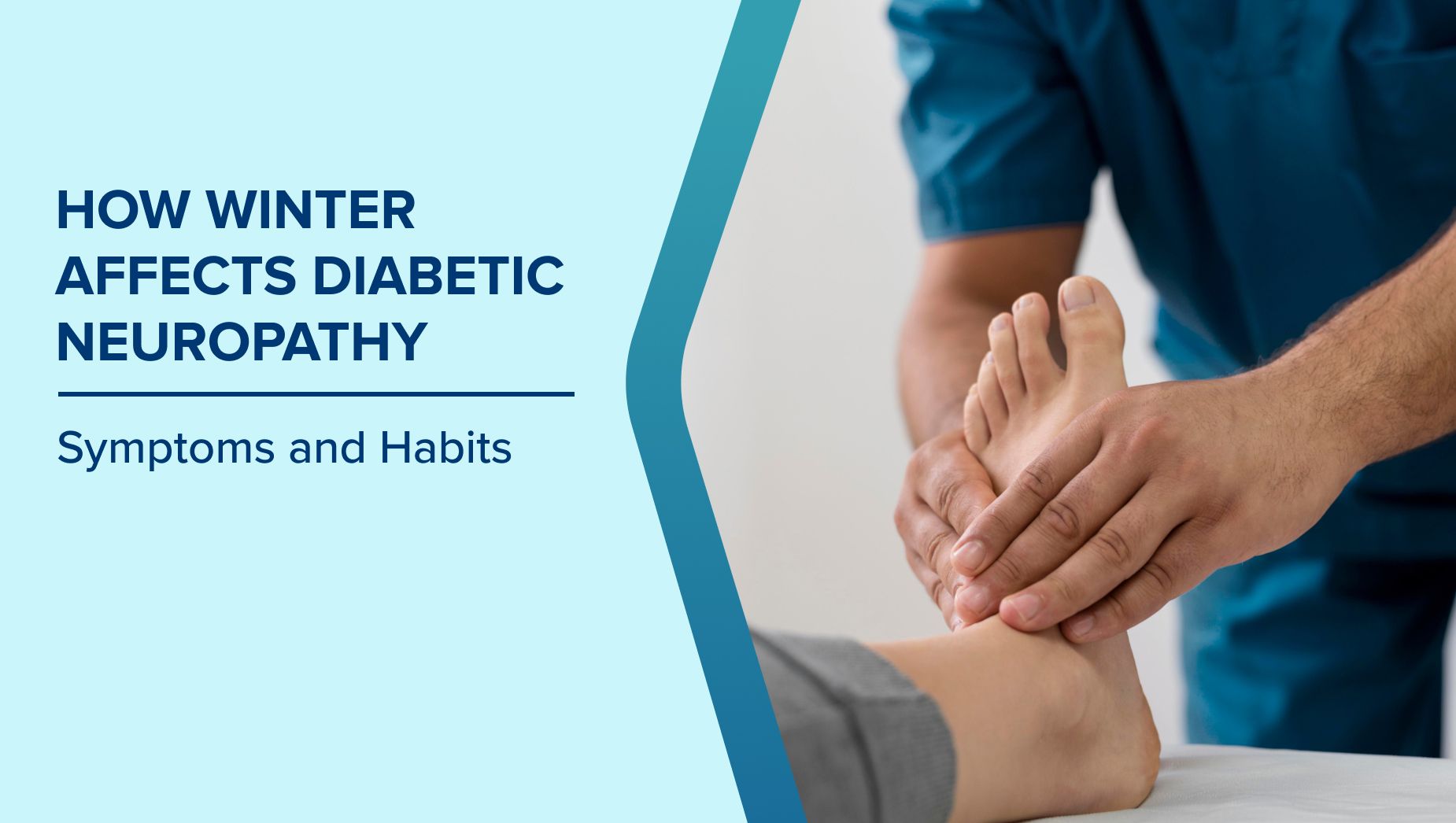
Call Us+91 926 888 0303How Winter Affects Diabetic Neuropathy: Symptoms and Habits
By Dr. Anand Kumar Saxena in Neurology
Jan 09 , 2026

For many people living with diabetes, winter brings more than chilly mornings and shorter days. It also brings sharper nerve pain, increased numbness, burning sensations, and discomfort that feels harder to ignore. Diabetic neuropathy, which may remain manageable during warmer months, often becomes more noticeable and distressing as temperatures drop.
This seasonal worsening is not imagined. Cold weather genuinely changes how nerves behave, how blood flows through the body, and how pain is perceived. Understanding why diabetic neuropathy feels worse in winter can help people anticipate symptoms, adjust daily habits, and protect nerve health more effectively.
Understanding Diabetic Neuropathy
Diabetic neuropathy develops when prolonged high blood sugar damages nerves over time. While it commonly affects the feet and legs, it can also involve the hands, arms, and other parts of the body. Symptoms vary widely and may include tingling, numbness, sharp pain, burning sensations, or extreme sensitivity to touch.
What many people do not realise is that damaged nerves struggle to adapt to environmental changes. Healthy nerves can regulate sensation and temperature effectively. Nerves affected by diabetes lose this flexibility, making them more reactive to cold exposure.
Winter does not cause neuropathy, but it creates conditions that expose the weaknesses of already vulnerable nerves.
Why Cold Weather Intensifies Nerve Pain in Diabetes
Cold weather affects the body in several interconnected ways. For someone with diabetic neuropathy, these changes can amplify discomfort rather than simply causing temporary cold sensitivity.
Reduced Blood Flow in Cold Temperatures
When the body is exposed to cold, blood vessels naturally narrow to conserve heat. This response reduces blood flow to the hands and feet, which are already areas of compromised circulation in diabetes.
Nerves rely on a steady blood supply for oxygen and nutrients. When circulation slows, nerves become irritated more easily, leading to increased pain, tingling, or numbness. In winter, this reduced circulation may last for long periods, especially in people who spend time outdoors or live in colder environments.
Slower Nerve Signal Transmission
Cold temperatures slow down nerve conduction. In healthy nerves, this change is minimal. In damaged diabetic nerves, it can cause distorted or exaggerated signals.
Instead of transmitting accurate sensory information, affected nerves may misfire. This can feel like stabbing pain, electric shocks, or intense burning sensations, even without direct cold exposure.
Heightened Pain Sensitivity in Winter
Cold weather alters how the brain processes pain. Muscles stiffen, joints become less flexible, and the body stays in a more guarded state. This heightened sensitivity can make existing nerve pain feel more severe.
For people with diabetic neuropathy, the nervous system is already on high alert. Winter conditions may lower the pain threshold further, making everyday sensations feel uncomfortable or painful.
The Role of Temperature Regulation in Diabetes
People with diabetes often have impaired temperature regulation. Damage to autonomic nerves can affect sweating, blood vessel control, and heat conservation.
As a result, the body may struggle to keep extremities warm. Feet and hands may feel cold even indoors. This prolonged exposure to lower temperatures continues to irritate sensitive nerves, creating a cycle of discomfort that persists throughout the season.
Why Feet Suffer the Most During Winter
Several factors contribute to increased foot discomfort during colder months
- Reduced circulation due to both diabetes and cold exposure
- Thick socks or tight footwear that restrict blood flow
- Dry skin and cracking, which increase sensitivity
- Reduced movement during winter, leading to stiffness
Cold floors, damp footwear, and prolonged sitting can all intensify nerve pain in the feet, often without the person realising the trigger.
Winter Habits That Quietly Worsen Neuropathy Symptoms
Daily routines often change during winter, and some of these changes unknowingly aggravate diabetic nerve pain.
Reduced Physical Activity
Cold weather often leads to less movement. Shorter walks, fewer outdoor activities, and longer periods of sitting reduce circulation. Movement is essential for keeping blood flowing to nerves.
When activity levels drop, nerves receive less oxygen and nutrients, increasing stiffness and discomfort.
Poor Hydration
Many people drink less water in winter. Dehydration can worsen nerve irritation and increase muscle tension, making neuropathy symptoms feel more intense.
Prolonged Exposure to Indoor Heating
While heating keeps the body warm, it also dries the air. Dry skin becomes more sensitive and prone to irritation, especially on the feet. This can heighten discomfort in people with neuropathy.
Layering Without Awareness
Wearing multiple layers may seem protective, but overly tight socks or shoes can compress nerves and blood vessels. This can worsen numbness and pain rather than relieve it.
Why Winter Neuropathy Symptoms Feel Unpredictable
One of the most frustrating aspects of diabetic neuropathy in cold weather is unpredictability. Symptoms may fluctuate daily, even without obvious triggers.
This happens because
- Small temperature changes affect nerve signalling
- Circulation varies with posture and movement
- Stress and fatigue amplify nerve responses
Understanding that this variability is part of the condition can reduce anxiety and help individuals focus on consistent self-care rather than searching for a single cause.
Protecting Nerve Health During Colder Months
Managing diabetic neuropathy in winter requires awareness rather than drastic changes. Small adjustments can reduce symptom severity and improve comfort.
Key focus areas include
- Keeping extremities warm without restricting circulation
- Maintaining gentle daily movement
- Staying hydrated despite reduced thirst
- Creating a sleep environment that supports warmth and comfort
Winter does not have to mean constant discomfort. With mindful habits, many people find that their symptoms become more predictable and manageable.
When Winter Symptoms Should Not Be Ignored
While seasonal worsening is common, certain changes should prompt medical attention.
These include
- Sudden increase in numbness or loss of sensation
- New wounds or sores that heal slowly
- Persistent pain that interferes with daily activities
- Changes in skin colour or temperature in the feet
Cold weather should never mask signs of nerve or circulation problems that require professional care.
Conclusion
Winter challenges nerve health, but it does not define quality of life. Understanding the relationship between cold weather and diabetic neuropathy empowers people to respond proactively rather than reactively.
By recognising how temperature, circulation, daily habits, and emotional health interact, individuals can regain a sense of control over their symptoms. Winter may demand more attention, but it can also become a season of better self-awareness and care.
Frequently Asked Questions
Can travelling to colder regions worsen diabetic neuropathy symptoms?
Yes, sudden exposure to colder climates can intensify nerve pain due to rapid temperature changes and reduced circulation. Gradual acclimatisation and protective measures are important.
Does using heated blankets or foot warmers help neuropathy pain?
Gentle warmth may provide comfort, but excessive heat can increase sensitivity or cause burns, especially if sensation is reduced. The temperature should always be moderate.
Can indoor air quality affect nerve discomfort in winter?
Dry indoor air can worsen skin sensitivity and irritation, which may amplify neuropathy discomfort. Using humidifiers can help maintain skin comfort.
Is morning stiffness linked to winter neuropathy symptoms?
Yes, cold temperatures and reduced overnight circulation can cause stiffness and increased nerve sensitivity upon waking, particularly in the feet and legs.
Do seasonal changes affect how neuropathy pain feels emotionally?
Yes, reduced sunlight, disrupted sleep, and winter stress can increase emotional sensitivity to pain, making symptoms feel more intense even without physical changes.
Written and Verified by:

Related Blogs


Oct 27 , 2020 | 3 min read
Blogs by Doctor


Brain Fog from Screen Time: How Gaming Affects Your Mind
Dr. Anand Kumar Saxena In Neurology
Jun 23 , 2025 | 4 min read
Most read Blogs


Related Blogs
Oct 27 , 2020 | 3 min read
Blogs by Doctor
Brain Fog from Screen Time: How Gaming Affects Your Mind
Dr. Anand Kumar Saxena In Neurology
Jun 23 , 2025 | 4 min read
Most read Blogs