 WhatsApp Us (24/7)
 +91 926 888 0303 (24/7)


To Book an Appointment
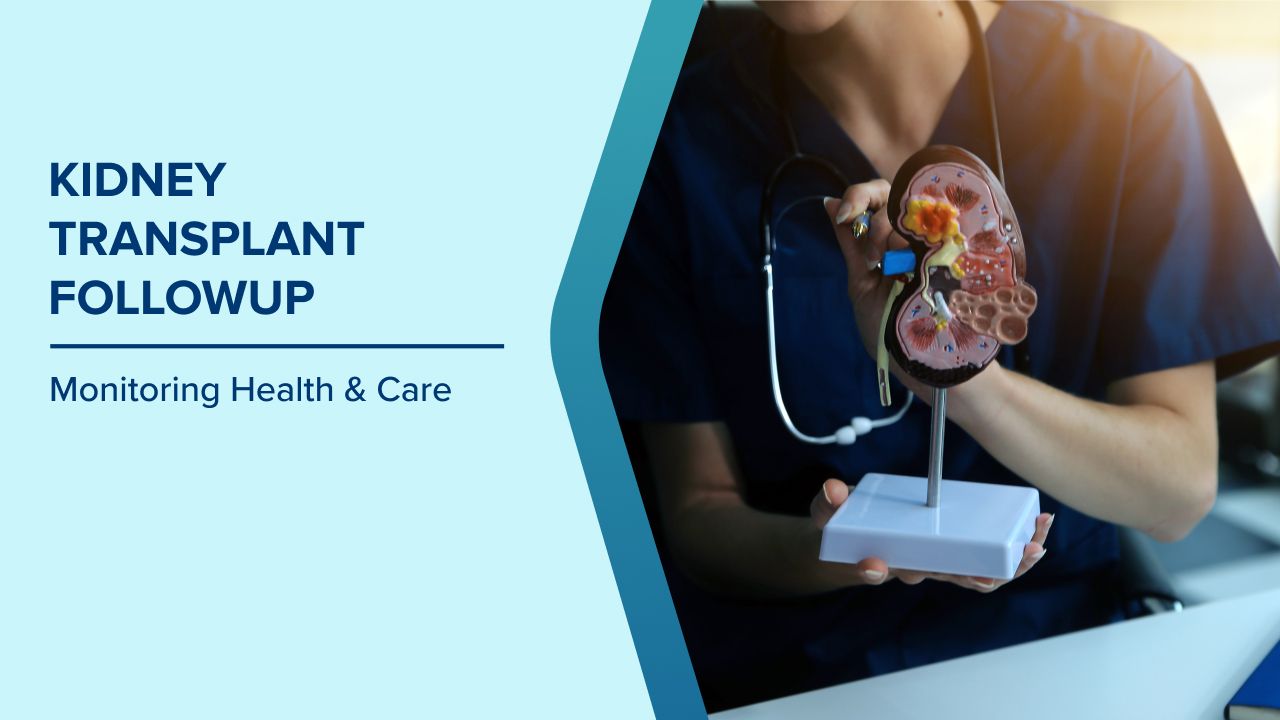
Call Us+91 926 888 0303Regular Follow-Up After Kidney Transplant: Monitoring Health & Care
By Dr. Vikram Shah Batra in Urology , Kidney Transplant , Uro-Oncology
Mar 23 , 2026

A kidney transplant can significantly improve the quality of life for individuals living with advanced kidney disease. While the transplant procedure replaces a failing kidney with a healthy one, the long-term success of the transplant depends greatly on consistent medical care afterwards. One of the most important aspects of this care is regular follow-up with the transplant team.
Follow-up visits allow doctors to closely monitor how the transplanted kidney is functioning and ensure that the body continues to accept the new organ. These appointments are not simply routine check-ups. They play a vital role in protecting the transplanted kidney and supporting long-term health.
Why Regular Follow-Up Is Essential After a Kidney Transplant
A transplanted kidney requires careful medical supervision. Even when a patient feels well and has returned to daily activities, the body continues to adapt to the new organ.
Regular follow-up appointments help doctors evaluate how the kidney is functioning and identify subtle changes that may not cause noticeable symptoms at first. These visits provide an opportunity to assess overall health and ensure that the transplanted kidney continues to work effectively.
Regular monitoring allows healthcare providers to:
- Track kidney performance over time
- Adjust medications when necessary
- Identify early signs of complications
- Ensure the body is responding well to treatment
- Support long-term transplant success
Consistent follow-up care helps prevent small concerns from developing into larger health problems.
What Happens During Follow-Up Visits
Each follow-up appointment involves a detailed evaluation designed to monitor the health of both the patient and the transplanted kidney.
During these visits, healthcare providers may review several aspects of health, including:
Medical assessment
Doctors usually begin by discussing the patient’s overall health and any changes since the previous visit. This conversation helps identify new symptoms or concerns that may require attention.
Physical examination
A general physical examination helps assess factors such as blood pressure, weight changes, and overall well-being.
Laboratory monitoring
Blood and urine tests are commonly used to evaluate how the transplanted kidney is functioning. These tests provide valuable information about how well the kidney is filtering waste and maintaining fluid balance.
Medication review
Patients who receive a kidney transplant take medications that help the body accept the new organ. During follow-up visits, doctors review these medications carefully and adjust doses if required.
How Follow-Up Helps Detect Potential Concerns Early
One of the main advantages of regular follow-up is the ability to identify potential concerns before they become serious.
In many cases, early changes in kidney function may not cause noticeable symptoms. Routine medical monitoring allows doctors to detect these changes through clinical evaluation and laboratory tests.
Early identification can help doctors respond quickly and adjust treatment plans when necessary. This approach supports better long-term outcomes and helps maintain the health of the transplanted kidney.
Read more: From Dialysis to New Life: Understanding Benefits of Kidney Transplant
Monitoring Overall Health After Transplant
Follow-up care also focuses on maintaining overall health. A kidney transplant can influence different aspects of the body, and ongoing monitoring helps ensure that all health parameters remain balanced.
Doctors may observe factors such as:
- Blood pressure levels
- Fluid balance in the body
- Electrolyte levels
- General metabolic health
Monitoring these aspects helps maintain stability and supports the proper functioning of the transplanted kidney.
How Often Are Follow-Up Visits Required
The frequency of follow-up visits can vary depending on how recently the transplant was performed and how the patient is progressing.
In the early period after transplant, patients usually require more frequent monitoring. As the transplanted kidney stabilises and the patient’s condition becomes consistent, the interval between visits may gradually increase.
Even when patients feel healthy, continuing regular follow-up remains important. Long-term monitoring helps ensure that the transplanted kidney continues to function well over time.
Read more: Kidney Transplant Checklist: Preparation, Donor Options, Recovery & Success Tips
The Patient’s Role in Follow-Up Care
Successful transplant care is a partnership between patients and their healthcare team. Attending scheduled follow-up visits is one of the most important responsibilities for transplant recipients.
Patients can support their follow-up care by:
- Keeping all scheduled medical appointments
- Informing their doctor about any new symptoms
- Taking prescribed medications as directed
- Maintaining open communication with the transplant team
Active participation in follow-up care allows patients to take an important role in protecting their transplanted kidney.
When Patients Should Contact Their Doctor
While regular appointments provide structured monitoring, patients should also contact their doctor if they notice any unusual changes in their health.
Some situations where medical advice may be helpful include:
- Sudden swelling in the body
- Persistent fatigue or weakness
- Changes in urination patterns
- Fever or unexplained discomfort
Conclusion
A kidney transplant can offer renewed health and improved quality of life, but the journey does not end after the surgery. Ongoing medical care plays a crucial role in ensuring that the transplanted kidney continues to function effectively.
Regular follow-up visits allow healthcare providers to monitor kidney health, adjust treatments as needed, and identify concerns early. These appointments are an essential part of long-term transplant care.
By staying committed to scheduled follow-up visits and maintaining open communication with their healthcare team, transplant recipients can take important steps to protect their new kidney and support their overall well-being.
Frequently Asked Questions
1. Why are laboratory tests important during follow-up after a kidney transplant?
Laboratory tests provide detailed information about how the transplanted kidney is working. They help doctors evaluate kidney filtration and monitor the body’s overall internal balance.
2. Can follow-up visits change over time?
Yes, the schedule for follow-up visits may evolve depending on how the patient’s health progresses and how stable the transplanted kidney remains.
3. Do follow-up visits involve only kidney-related checks?
No, doctors often review overall health during these visits to ensure that the entire body is functioning well alongside the transplanted kidney.
4. What should patients prepare before attending a follow-up appointment?
Patients may find it helpful to note any recent symptoms, medication changes, or health concerns so that they can discuss them with their doctor during the visit.
5. Is it necessary to continue follow-up care even years after the transplant?
Yes, long-term monitoring helps ensure that the transplanted kidney continues to function well and allows doctors to maintain appropriate medical care over time.
Written and Verified by:

Related Blogs

Dr. Anant Kumar In Urology , Kidney Transplant , Uro-Oncology
Nov 08 , 2020 | 8 min read

Dr. Shailendra Kumar Goel In Urology , Kidney Transplant , Uro-Oncology
Nov 08 , 2020 | 4 min read
Blogs by Doctor

Prostate Cancer Genetic Factors: Genetic Testing & Early Detection
Dr. Vikram Shah Batra In Urology , Kidney Transplant , Uro-Oncology
Dec 16 , 2024 | 6 min read

What is Hematuria: Causes, Diagnosis and Prevention
Dr. Vikram Shah Batra In Urology , Kidney Transplant , Uro-Oncology
Apr 24 , 2025 | 4 min read
Most read Blogs


Related Blogs
Dr. Anant Kumar In Urology , Kidney Transplant , Uro-Oncology
Nov 08 , 2020 | 8 min read
Dr. Shailendra Kumar Goel In Urology , Kidney Transplant , Uro-Oncology
Nov 08 , 2020 | 4 min read
Blogs by Doctor
Prostate Cancer Genetic Factors: Genetic Testing & Early Detection
Dr. Vikram Shah Batra In Urology , Kidney Transplant , Uro-Oncology
Dec 16 , 2024 | 6 min read
What is Hematuria: Causes, Diagnosis and Prevention
Dr. Vikram Shah Batra In Urology , Kidney Transplant , Uro-Oncology
Apr 24 , 2025 | 4 min read
Most read Blogs