 WhatsApp Us (24/7)
 +91 926 888 0303 (24/7)


To Book an Appointment
Call Us+91 926 888 0303Joint Replacement in Elderly Patients: How Safe Is It Today?
By Dr. Divyanshu Dutt Dwivedi in Orthopaedics & Joint Replacement
Jan 06 , 2026 | 5 min read

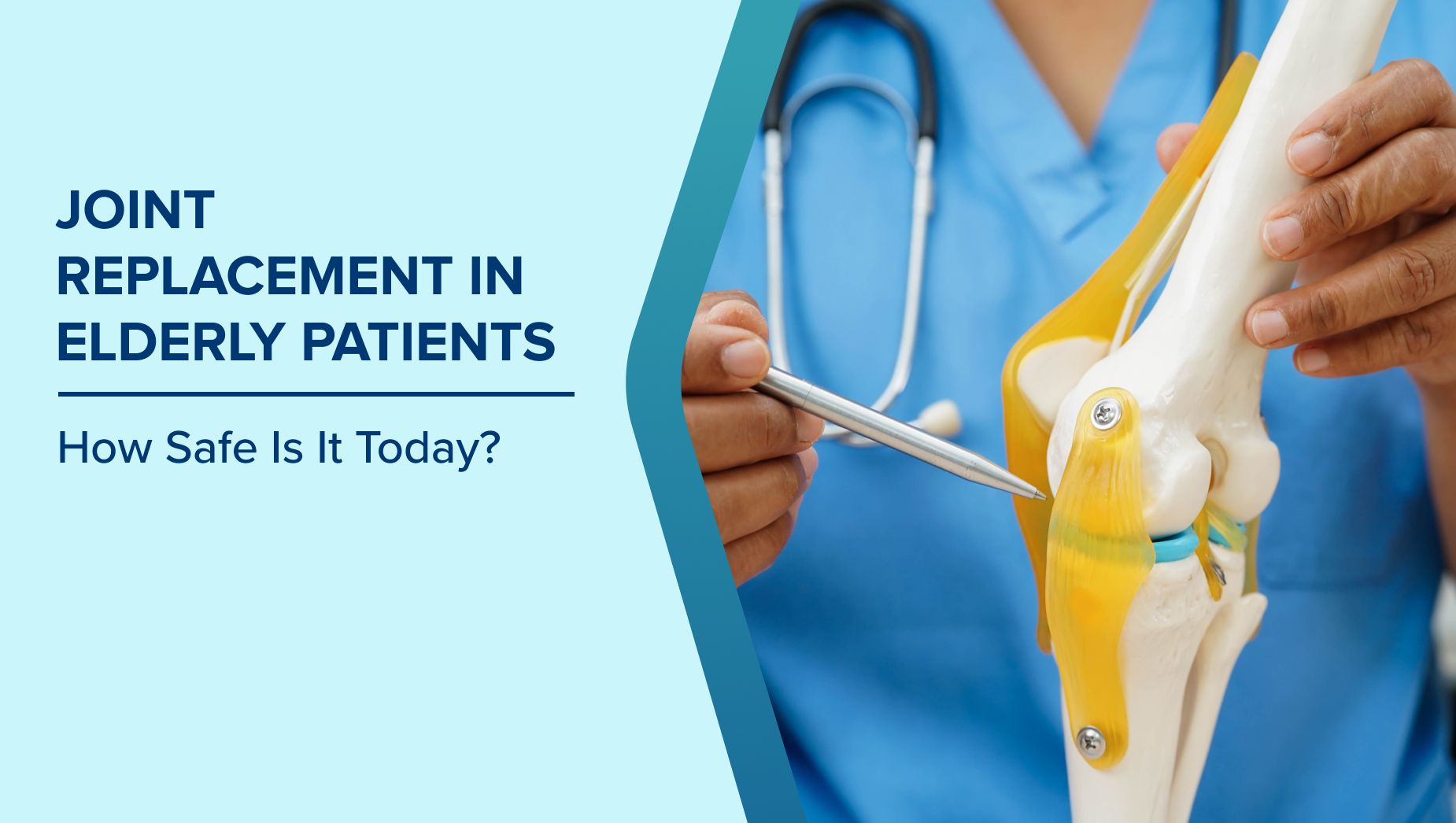
Joint replacement for seniors is growing rapidly because more people want to stay active and independent in their later years. Modern lifestyles and increased life expectancy mean many adults live longer, but with long-standing arthritis or joint damage. As a result, surgeries like knee replacement for older adults and hip replacement for elderly patients have become common.
Although the outcomes are excellent today, many families still worry about safety, recovery, and long-term consequences. These worries are natural. Older adults may have additional health issues, which makes families and caregivers cautious.
However, modern joint replacement is significantly safer than it was in the past. Smaller incisions, better implants, improved anaesthesia, advanced monitoring, and faster recovery protocols allow seniors to heal well and walk comfortably after surgery.
Why Elderly People Consider Joint Replacement Today
Severe Arthritis
Arthritis is one of the leading causes of disability in seniors. When the cartilage wears out completely, the bones rub against each other, causing sharp pain. Elderly people who struggle with advanced arthritis often turn to joint replacement for lasting relief.
Mobility Loss
Walking becomes difficult when the knee or hip joint is severely damaged. Many older adults start avoiding movement because of pain. This leads to weaker muscles, poor balance, and less ability to care for themselves.
Chronic Joint Pain
Persistent pain can significantly impact sleep, appetite, mood, and overall quality of daily life. Joint replacement in elderly patients can significantly reduce pain, enabling them to rest more comfortably and feel stronger.
Impact on Independence and Daily Quality of Life
When seniors rely on others for basic activities like bathing, walking, or climbing stairs, it impacts their confidence and emotional well-being. Joint replacement helps many older adults regain independence and live a more active life.
Is Joint Replacement Safe for Elderly Patients
Modern medical care has made joint replacement far safer for seniors than ever before.
Safety Improvements in Modern Surgery
Hospitals follow strict protocols to check whether an elderly patient is fit for surgery. Detailed tests, advanced imaging, and close monitoring ensure the procedure is planned carefully. This reduces complications and increases success rates.
Risk Assessment and Pre-Surgical Evaluation
Before the surgery, doctors conduct a complete evaluation. This usually includes:
- Blood tests
- Heart check-up
- Lung function review
- Medication assessment
- Bone health evaluation
A personalised plan is created so that surgery is safe and smooth.
Safer Anaesthesia
Today’s anaesthesia options are gentle and highly controlled. Anaesthesia teams monitor oxygen levels, heart rate, breathing, and overall stability throughout the procedure. This makes surgery safe even for adults in their seventies or eighties.
Advanced Implants
New generation implants are stronger, last longer, and fit better. This enables older adults to move more easily and reduces the risk of long-term complications.
Quicker Recovery Protocols
Recovery practices have changed. Seniors are encouraged to walk on the same day or the next day after surgery. Early movement lowers the risk of complications and improves strength.
All these factors make joint replacement a safe option for seniors when performed under proper medical guidance.
Health Conditions That Influence Surgical Safety
Many elderly people live with conditions that can affect surgery. This does not mean they cannot undergo joint replacement. Instead, doctors manage these conditions carefully.
Heart Disease
Cardiologists evaluate the patient before surgery. If medicines need adjustment, this is done in advance. Stable heart conditions usually do not prevent surgery.
- Diabetes: High blood sugar can slow healing. Doctors work on controlling diabetes. Proper management reduces infection risk and improves outcomes.
- High blood pressure: Blood pressure must be controlled before surgery. Medicines are adjusted and monitored.
- Osteoporosis: Weak bones are a concern. Surgeons choose implants with better grip and may recommend supplements.
- Overweight or underweight issues: Extreme weight can affect recovery. Doctors guide patients on nutrition and physiotherapy.
Latest Advancements That Make Joint Replacement Safer for Seniors
Modern technology has transformed joint replacement for elderly patients.
- Robotic-assisted surgery: More accuracy, less tissue damage, and faster recovery.
- Better pain control: Advanced techniques reduce discomfort and enable early movement.
- Early mobilisation: Early walking improves circulation and speeds healing.
- Smaller incisions: Less bleeding, fewer infections, and quicker healing.
- Reduced hospital stay: Most seniors go home within a few days.
Benefits of Joint Replacement for Older Adults
Joint replacement offers several life-changing benefits for seniors.
- Better mobility: Movement becomes easier and more stable.
- Pain-free walking: Significant reduction in chronic pain.
- Improved sleep: Less pain improves rest.
- More independence: Seniors can move confidently without constant help.
- Reduced risk of falls: Better balance and stronger muscles.
- Better mental health: Less pain improves mood and reduces isolation.
Possible Risks and How Doctors Reduce Them
All surgeries carry some risk, but modern protocols keep elderly patients safe.
- Infection: Sterile environments and preventive antibiotics reduce risk.
- Blood clots: Blood thinners and early walking help prevent them.
- Implant issues: High-quality implants and precise placement lower complications.
- Delayed healing: Good nutrition and controlled sugar levels help healing.
Recovery and Rehabilitation in Elderly Patients
- Safe home recovery: Proper lighting, no slippery surfaces, and support aids.
- Family and caregiver support: Helps with medicines, meals, and emotional care.
- Physiotherapy and early walking: Builds strength and mobility.
- Nutrition and hydration: Protein-rich meals and adequate water support healing.
Tips to Prepare an Elderly Parent for Joint Replacement
- Prepare the home for safe movement.
- Review medicines with the doctor.
- Clear doubts during consultations.
- Help the parent stay calm and informed.
- Encourage light exercise and good nutrition.
Conclusion
Joint replacement in elderly patients is much safer today than ever before. Modern techniques, advanced implants, improved anaesthesia, and structured recovery programs make the procedure highly effective for seniors. When planned properly, joint replacement helps older adults walk comfortably, regain independence, sleep better, and enjoy a more active life.
Families who have concerns should consult an orthopaedic surgeon early. Timely treatment can prevent disability and protect long-term health.
Frequently Asked Questions
How can a family help an elderly patient feel confident before surgery?
Families can explain the surgery steps simply, encourage light exercise, help with appointments, and maintain a positive environment.
What daily activities can seniors do after joint replacement?
Light walking, gentle exercises, and basic household activities as recommended by their physiotherapist.
What foods support healing after joint replacement?
Protein-rich foods like eggs, yoghurt, beans, and fish. Fruits, vegetables, whole grains, and plenty of water also help recovery.
What role does a caregiver play after joint replacement?
Caregivers assist with medicines, meals, safe walking, emotional support, and follow-up care.
How long do implants last in elderly patients?
Modern implants often last the rest of the patient’s life with proper care and regular check-ups.
Written and Verified by:

Related Blogs


Dr. Ashish Jain In Orthopaedics & Joint Replacement
Nov 07 , 2020 | 1 min read
Blogs by Doctor
Osteoporosis and Stress: How Cortisol Impacts Your Bone Strength
Dr. Divyanshu Dutt Dwivedi In Orthopaedics & Joint Replacement
Nov 06 , 2025 | 6 min read
Most read Blogs


Related Blogs
Dr. Ashish Jain In Orthopaedics & Joint Replacement
Nov 07 , 2020 | 1 min read
Blogs by Doctor
Osteoporosis and Stress: How Cortisol Impacts Your Bone Strength
Dr. Divyanshu Dutt Dwivedi In Orthopaedics & Joint Replacement
Nov 06 , 2025 | 6 min read
Most read Blogs