 WhatsApp Us (24/7)
 +91 926 888 0303 (24/7)


To Book an Appointment
Call Us+91 926 888 0303Lung Cancer Survivorship: Treatment, Recovery & Hope for Better Life
By Dr. Sachin Gupta in Medical Oncology , Cancer Care / Oncology , Thoracic Oncology
Sep 01 , 2025 | 5 min read

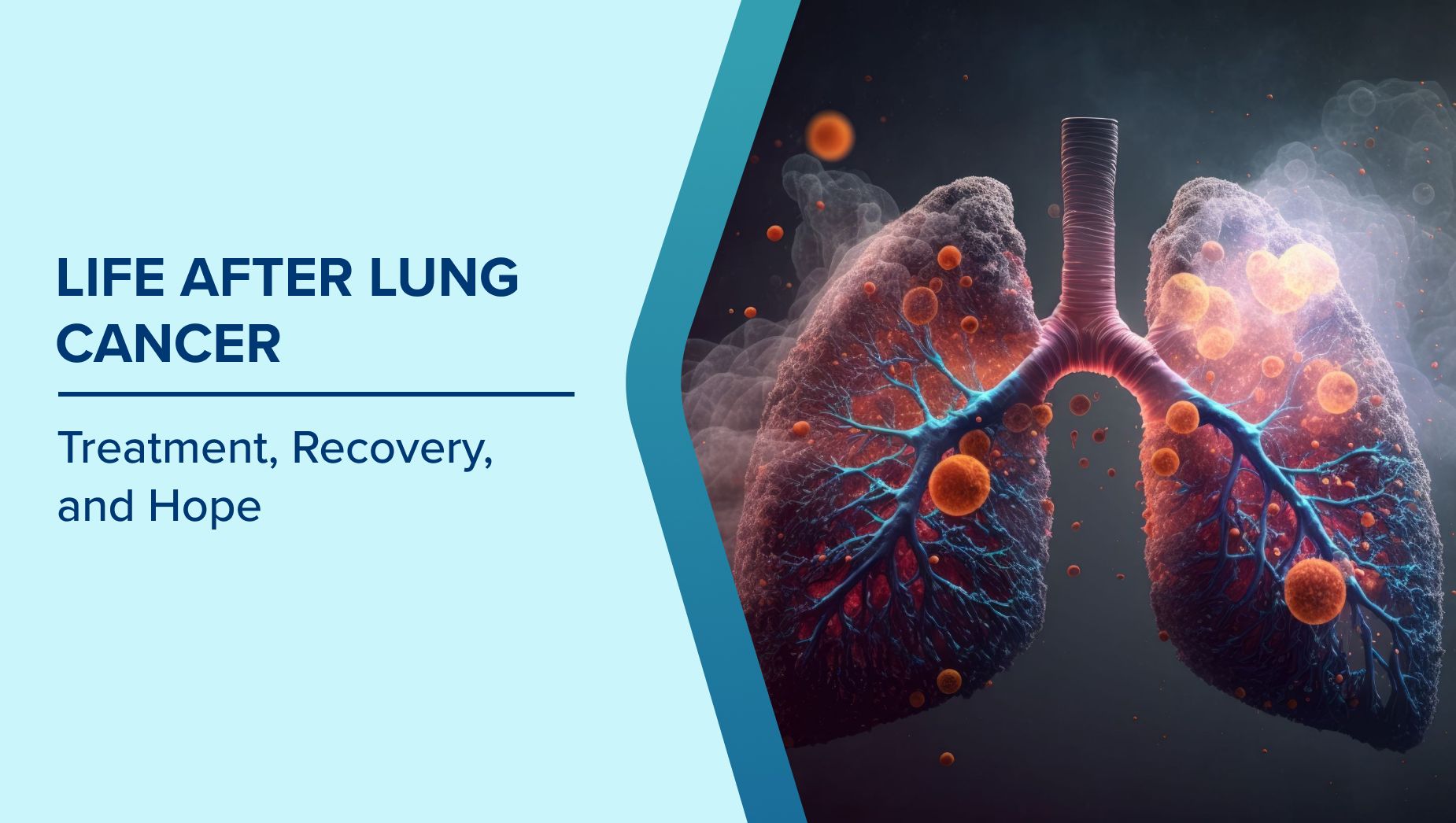
For many, a lung cancer diagnosis once felt like the end of the road. But with advancements in treatment, early detection, and supportive care, more people than ever before are surviving lung cancer and living full, meaningful lives afterwards. Yet, the journey doesn’t end when treatment does; it simply shifts direction.
Life after lung cancer involves physical healing, emotional processing, and adjusting to a new normal.
Understanding Lung Cancer Survivorship
Being a lung cancer survivor means more than being free of disease. It is living with, through, and beyond the cancer experience. Survivorship begins at diagnosis and continues throughout the rest of a person's life.
Post-treatment life often brings relief and gratitude, but also uncertainty. Survivors may revolve with questions like:
- “Will the cancer come back?”
- “How do I manage side effects that linger?”
- “What should my follow-up care look like?”
These are valid and common concerns. Knowing what to expect can help ease the transition.
The Transition from Treatment to Recovery
Ongoing Medical Care
After completing treatment, whether surgery, chemotherapy, radiation therapy, targeted therapy, immunotherapy, or a combination, patients begin a phase known as post-treatment surveillance. This typically includes:
- Regular follow-up appointments (every 3–6 months initially)
- Imaging scans (such as low-dose CT or PET scans)
- Blood tests to monitor overall health and organ function
The goal is early detection of recurrence or secondary cancers and managing any long-term effects of treatment.
Common Post-Treatment Side Effects
Survivors may experience lingering or late-onset side effects, including:
- Fatigue: Often the most persistent symptom, sometimes lasting for months or years
- Shortness of breath: Due to lung tissue damage or loss from surgery
- Neuropathy: Numbness or tingling in hands or feet from chemotherapy
- Cognitive changes ("chemo brain"): Trouble concentrating or remembering
- Emotional fluctuations: Anxiety, depression, or fear of recurrence
It’s important for survivors to communicate openly with their care team about these symptoms, as many are manageable with proper interventions.
Physical Recovery and Rehabilitation
Lung Function and Pulmonary Rehabilitation
Lung cancer treatments, particularly surgery or radiation, can affect respiratory capacity. Many survivors benefit from pulmonary rehabilitation, a medically supervised program that includes:
- Breathing exercises
- Physical conditioning
- Education about lung health
- Nutritional counseling
This rehab can improve endurance, reduce breathlessness, and restore functional independence.
Exercise and Nutrition
Moderate physical activity, even as simple as walking 30 minutes daily, can:
- Improve lung capacity
- Reduce fatigue
- Enhance mood and cognitive function
- Boost immune health
Nutritionally, survivors are advised to:
- Maintain a plant-forward diet rich in fruits, vegetables, and whole grains
- Limit red and processed meats
- Avoid alcohol or limit intake
- Stay hydrated
Nutrition can also aid in healing tissues and managing side effects like weight loss or muscle wasting.
Emotional and Mental Health After Lung Cancer
While physical recovery is visible, the emotional journey is often less discussed. Many survivors face:
- Survivor’s guilt: Especially when peers or fellow patients do not survive
- Post-traumatic stress: Triggered by reminders of treatment or scans
- Fear of recurrence: A common and deeply rooted concern
These emotions are valid and treatable. Supportive care options include:
- Therapy or counseling, preferably with oncology-trained professionals
- Support groups, both in-person and online
- Mindfulness practices, such as meditation or yoga
- Psycho-oncology services offered in cancer centers
Addressing mental health is not just about coping; it's vital for long-term wellness.
Adapting to a New Normal
Work, Identity, and Purpose
Returning to work or daily routines can be empowering, but also challenging. Survivors may need workplace accommodations or flexible schedules, especially if fatigue or breathing issues persist.
Others may choose to redefine their sense of purpose, engaging in:
- Advocacy
- Volunteering
- Creative pursuits
- Travel or family time
Life after cancer can be a chance to reflect and realign personal values.
Body Image and Sexual Health
Changes in appearance (surgical scars, weight changes, hair loss) can affect body image and self-esteem. In some cases, treatment may also impact sexual function or libido. Honest conversations with healthcare providers, and in some cases, referral to sexual health specialists can lead to effective solutions.
Social Support and Relationships
Navigating Personal Relationships
Family members and friends may also be adjusting to the post-cancer phase. While some relationships grow stronger, others may feel strained due to differing emotional responses.
Survivors benefit from:
- Open communication about needs and boundaries
- Caregiver support groups for family and partners
- Peer-to-peer programs connecting survivors
Rebuilding trust and intimacy often requires time, empathy, and sometimes professional guidance.
Long-Term Follow-Up and Preventive Care
Survivorship care doesn’t stop at the end of treatment. Survivors should receive a personalized survivorship care plan, which includes:
- Surveillance schedule
- List of potential late effects
- Guidance for healthy living
- Coordination among specialists and primary care
Preventive health is especially crucial. Lung cancer survivors should:
- Quit smoking, if applicable. Support programs and medications can help.
- Get vaccinated, especially against respiratory infections like the flu and pneumonia
- Manage other chronic conditions, such as heart disease or diabetes
- Stay current with other cancer screenings, like colonoscopy or mammograms
Advances and Reasons for Hope
Lung cancer research has made remarkable progress over the past decade. Innovations such as:
- Targeted therapies (e.g., EGFR, ALK inhibitors)
- Immunotherapy (checkpoint inhibitors like nivolumab, pembrolizumab)
- Liquid biopsies for easier monitoring
Conclusion
Lung cancer survivorship is not about going back to who you were before cancer. It’s about discovering who you are now with all the strength, scars, and wisdom gained from the experience.
Recovery is not always linear. There will be days of triumph and days of frustration. But with continued care, community, and compassion, lung cancer survivors can and do go on to live rich, meaningful lives.
Whether you are new in remission or years out from treatment, know this: your journey matters, your hope is valid, and your life after lung cancer is worth celebrating.
Frequently Asked Questions
Can I travel safely after lung cancer treatment?
Yes, most lung cancer survivors can travel, including by air, once their medical team gives clearance. However, it’s important to consider:
- Time since surgery or treatment
- Lung capacity and oxygen needs (some may need supplemental oxygen when flying)
- Access to medical care at your destination
Speak with your healthcare provider about a “fit to fly” assessment if you have recent lung surgery or radiation therapy.
How do I rebuild stamina and manage energy in daily life?
Pacing and planning are key. The “energy conservation” method helps manage fatigue by:
- Prioritizing essential tasks
- Scheduling rest breaks between activities
- Using tools (like shower chairs or grocery delivery services) to conserve energy
Occupational therapists can help design a daily routine that promotes balance without overexertion.
Should I consider genetic or molecular testing if I didn’t get it before?
If your initial diagnosis didn’t include molecular profiling, especially for non-small cell lung cancer, it may still be worth discussing with your oncologist. Newer testing may identify actionable mutations for:
- Targeted therapies
- Clinical trial eligibility
- Monitoring potential recurrence
This is particularly relevant if cancer returns or progresses.
Can I donate blood or organs after having lung cancer?
Unfortunately, most cancer survivors are not eligible to donate blood or organs, especially if they’ve had a cancer diagnosis in the past few years. However, survivors can:
- Register as research donors to contribute to lung cancer studies
- Advocate for awareness and funding
If you're interested in giving back, consider volunteering or sharing your story through cancer organizations.
Is it safe to get vaccinated after lung cancer treatment?
Yes, in most cases. Survivors are encouraged to stay current with vaccinations, particularly:
- Influenza (flu) vaccine annually
- Pneumococcal vaccines (Prevnar and Pneumovax)
- COVID-19 boosters
- Shingles and Tdap, depending on age and history
Always consult your doctor to ensure your immune system is ready, especially if you're still receiving immunosuppressive therapy.
Written and Verified by:

Dr. Sachin Gupta Exp: 23 Yr
Medical Oncology, Paediatric (Ped) Oncology, Cancer Care / Oncology, Uro-Oncology, Musculoskeletal Oncology, Breast Cancer, Thoracic Oncology, Gynecologic Oncology, Head & Neck Oncology, Neuro Oncology, Hematology Oncology, Gastrointestinal & Hepatobiliary Oncology
Meet the doctorRelated Blogs


Dr. Meenu Walia In Medical Oncology , Cancer Care / Oncology
Aug 02 , 2016 | 4 min read
Blogs by Doctor

A Healthy Diet Can Keep Cancer at Bay
Dr. Sachin Gupta In Medical Oncology , Cancer Care / Oncology , Nutrition And Dietetics
Nov 08 , 2020 | 1 min read

Food for Thought: Smoking is not the Only Risk to Lung Cancer
Dr. Sachin Gupta In Medical Oncology , Cancer Care / Oncology
Nov 08 , 2020 | 2 min read
Most read Blogs


Related Blogs
Dr. Meenu Walia In Medical Oncology , Cancer Care / Oncology
Aug 02 , 2016 | 4 min read
Blogs by Doctor
A Healthy Diet Can Keep Cancer at Bay
Dr. Sachin Gupta In Medical Oncology , Cancer Care / Oncology , Nutrition And Dietetics
Nov 08 , 2020 | 1 min read
Food for Thought: Smoking is not the Only Risk to Lung Cancer
Dr. Sachin Gupta In Medical Oncology , Cancer Care / Oncology
Nov 08 , 2020 | 2 min read
Most read Blogs