 WhatsApp Us (24/7)
 +91 926 888 0303 (24/7)


To Book an Appointment
Call Us+91 926 888 0303Managing Your Child’s Asthma: Symptoms, Care & Prevention Tips
By Dr. Deepak Bhasin in Pulmonology , Critical Care
May 07 , 2026

Managing a child’s asthma requires consistent care, awareness, and timely action. With the right approach, most children with asthma can enjoy an active, healthy, and normal lifestyle. Parents play a key role in identifying symptoms early, following treatment plans, and creating a safe environment that reduces the risk of asthma flare-ups.
Understanding Asthma in Children
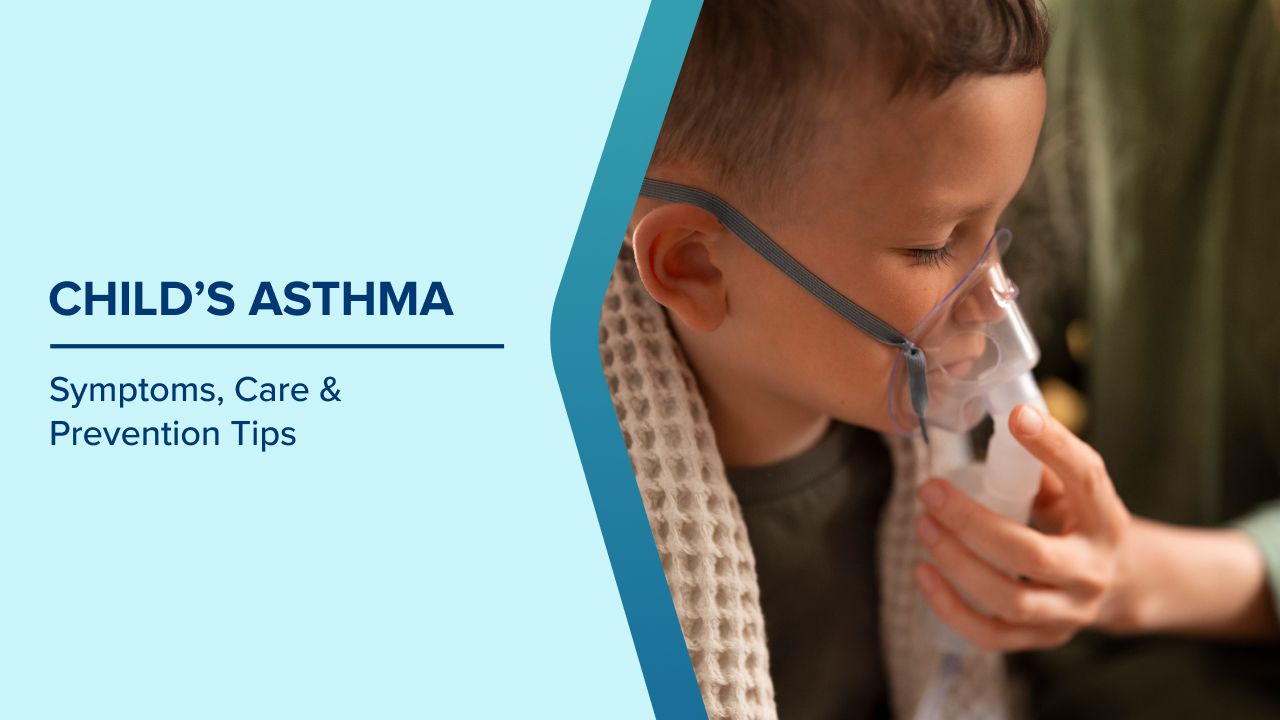
Asthma is a long-term condition that affects the airways, causing them to become inflamed and sensitive. In children, this can lead to recurring symptoms such as coughing, wheezing, chest tightness, and breathing difficulty.
Symptoms often worsen at night, during physical activity, or when exposed to triggers like dust or cold air.
Create an Asthma Action Plan
One of the most important steps in asthma care is developing a personalised asthma action plan with your doctor. This plan outlines daily medications, how to recognise worsening symptoms, and what steps to take during an emergency.
Sharing this plan with teachers, caregivers, and school staff ensures your child receives proper support even outside the home.
Monitoring Symptoms Regularly
Parents should closely observe their child’s breathing patterns and overall health. Frequent coughing, reduced energy, or difficulty during play may indicate poor asthma control. Tracking symptoms helps doctors adjust treatment and prevent severe attacks.
Medication and Proper Usage
Ensuring your child takes prescribed medications correctly is essential. Preventer medicines help control inflammation, while reliever inhalers provide quick relief during breathing difficulties. Teaching older children how to use inhalers properly builds confidence and independence in managing their condition.
Reducing Exposure to Triggers
A clean and safe environment can reduce asthma symptoms significantly. Keep the home dust-free, avoid smoking indoors, and minimise exposure to strong smells or allergens. Using air filters and maintaining good ventilation can also improve indoor air quality.
Encouraging an Active Lifestyle
Children with asthma should be encouraged to stay active. With proper precautions, including warm-ups and medication if needed, most children can safely participate in sports and physical activities.
Emotional Support Matters
Living with asthma can sometimes make children anxious or fearful. Providing reassurance, educating them about the condition, and encouraging open communication helps them feel more confident and in control.
Read More: Worst Season for Your Kid's Asthma
Conclusion
Managing your child’s asthma is a continuous process that combines medical care, lifestyle adjustments, and emotional support. With proper guidance and regular monitoring, children with asthma can lead full, active, and healthy lives.
Written and Verified by:

Related Blogs

Medical Expert Team
Jun 06 , 2015 | 2 min read

Blogs by Doctor

Respiratory Acidosis: Symptoms, Diagnosis, and Treatment
Dr. Deepak Bhasin In Pulmonology
Jan 22 , 2024 | 4 min read

Most read Blogs


Related Blogs
Medical Expert Team
Jun 06 , 2015 | 2 min read
Blogs by Doctor
Respiratory Acidosis: Symptoms, Diagnosis, and Treatment
Dr. Deepak Bhasin In Pulmonology
Jan 22 , 2024 | 4 min read
Most read Blogs