 WhatsApp Us (24/7)
 +91 926 888 0303 (24/7)


To Book an Appointment
Call Us+91 926 888 0303PMDD vs PMS: Symptoms & Impact on Daily Life
By Dr. Seema Jain in Laparoscopic / Minimal Access Surgery , Obstetrics And Gynaecology , Robotic Surgery , Gynaecologic Laparoscopy
Mar 27 , 2026

Many women notice certain physical or emotional changes in the days leading up to their menstrual cycle. These changes are commonly referred to as premenstrual symptoms. For some, the symptoms are mild and manageable. For others, they may feel more intense and disruptive.
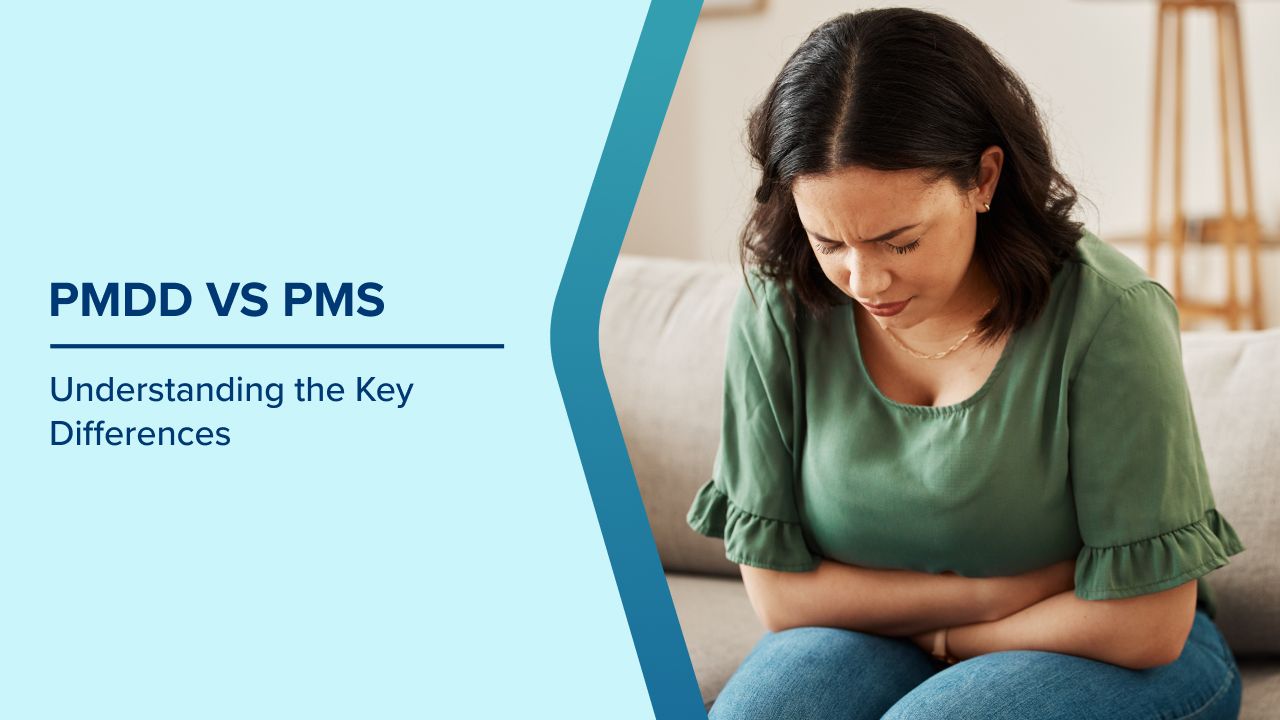
Premenstrual Syndrome, commonly known as PMS, is widely recognised and discussed. However, some women experience a more severe form of premenstrual symptoms called Premenstrual Dysphoric Disorder or PMDD. Because the names sound similar, the two conditions are often confused.
Understanding the difference between PMDD and PMS is important. While both occur before menstruation, their impact on daily life can vary widely. Recognising these differences can help women better understand their own menstrual health and seek the appropriate support if needed.
What is PMS?
Premenstrual syndrome (PMS) refers to a set of changes that occur in the later stages of the menstrual cycle. These changes happen before menstruation begins and often settle once the period starts.
For many people, PMS is a short phase of discomfort that passes within a few days. It can involve physical sensations as well as mild emotional shifts.
Typical PMS Symptoms
PMS symptoms vary from person to person, but they often include:
- Mild irritability
- Feeling slightly tired
- Temporary mood swings
- Food cravings
- Breast sensitivity
- Headaches
- Feeling bloated
- Reduced focus
These symptoms are usually manageable and do not strongly disrupt daily responsibilities.
How PMS Feels in Everyday Life
PMS may cause minor challenges in the days leading up to a period. Someone might feel slightly less patient, less energetic, or more sensitive than usual.
Despite these changes, most people can continue their normal routines such as work, studies, social activities, and household tasks.
What is PMDD?
Premenstrual dysphoric disorder (PMDD) is a more intense form of premenstrual symptoms. It involves strong emotional changes that appear during the same stage of the menstrual cycle as PMS.
Unlike PMS, PMDD mainly affects mental and emotional well-being. The symptoms can feel overwhelming and may affect relationships, productivity, and overall daily functioning.
Common PMDD Symptoms
PMDD symptoms tend to focus on emotional distress rather than mild discomfort. Some people may experience:
- Intense sadness
- Sudden anger
- Strong feelings of frustration
- Emotional sensitivity
- Anxiety that feels difficult to control
- Feeling detached from usual interests
- Reduced motivation
- Sleep disruption
These symptoms can feel unpredictable and may make ordinary situations more difficult to handle.
Read More:- Menstrual Health Matters: Breaking Periods Myths with Facts
Understanding the PMDD vs PMS Difference
Although both PMS and PMDD appear before menstruation, the level of intensity and emotional impact make them very different experiences.
PMS usually causes mild discomfort that fades once the period begins. PMDD, on the other hand, involves stronger emotional reactions that can influence behaviour, decision-making, and relationships.
In PMS, someone may notice mood changes but still feel like themselves. In PMDD, the emotional shift can feel much deeper, sometimes creating a sense that moods are difficult to control.
The key distinction is not just the presence of symptoms but how strongly those symptoms affect everyday life.
Why PMDD is Often Misunderstood
PMDD is frequently mistaken for severe PMS because both conditions occur before menstruation. Many people grow up hearing that mood changes before a period are simply part of the cycle.
This belief can make it harder to recognise when symptoms are more serious.
Some common reasons PMDD is misunderstood include:
- Limited public awareness about menstrual mental health
- Social stigma around discussing emotional symptoms
- Confusion between hormonal mood changes and mental health concerns
- Assuming intense symptoms are normal for everyone
Because of this, individuals may go years without realising that their experiences have a specific name.
Emotional Signals That May Indicate PMDD
Recognising emotional patterns across the menstrual cycle can provide helpful insight. Certain feelings may appear repeatedly during the days before menstruation.
Some signals that symptoms may be stronger than typical PMS include:
- Sudden emotional sensitivity to everyday situations
- Feeling unusually overwhelmed by routine responsibilities
- Increased tension during conversations with others
- Difficulty managing frustration
- Moments of emotional withdrawal
These emotional shifts often follow a monthly pattern linked to the menstrual cycle.
How Hormonal Changes Affect Mood
Hormones influence many processes in the body, including mood regulation. As hormone levels shift before menstruation, they can affect brain chemicals connected to emotional balance.
For most people, these changes lead to mild mood fluctuations. In PMDD, however, the emotional response to hormonal shifts may be stronger.
This difference explains why two individuals may experience the same hormonal phase but react very differently.
Impact on Daily Activities
Another clear PMDD vs PMS difference is how symptoms influence everyday routines.
PMS might cause a temporary dip in energy or patience, but most people can still handle work, school, or social commitments.
PMDD may affect daily functioning in ways that feel much more disruptive. Someone experiencing PMDD might find it difficult to stay motivated, communicate calmly, or manage emotional reactions in stressful situations.
These challenges can make the premenstrual phase feel much more demanding.
Read More:- Home Remedies to Relieve Period Cramps: Simple & Effective Relief at Home
Recognising Personal Menstrual Patterns
Understanding menstrual health often begins with noticing patterns across several cycles. Emotional and physical signals tend to follow similar timing each month.
Paying attention to these patterns can help individuals better understand their bodies.
Helpful observations may include:
- Changes in mood before menstruation
- Shifts in energy levels throughout the month
- Emotional reactions that appear during specific days
- Differences in motivation or focus
Identifying these patterns can bring clarity and encourage greater awareness of menstrual wellbeing.
Supporting Emotional Well-being During the Cycle
Maintain steady routines
Consistent sleep, regular meals, and daily movement support overall well-being and energy levels.
Allow space for rest
During emotionally sensitive days, giving the body extra time to rest can help reduce feelings of exhaustion.
Practise self-awareness
Noticing emotional responses without judgment can help people better understand their internal patterns.
Encourage open conversations
Talking about menstrual health with trusted people can reduce stigma and create stronger support systems.
Conclusion
Understanding the difference between PMDD and PMS helps people recognise that premenstrual experiences exist on a spectrum. While PMS usually brings manageable discomfort, PMDD involves deeper emotional challenges that can influence daily life more strongly.
Greater awareness of PMS and PMDD symptoms encourages people to listen to their bodies, notice recurring patterns, and prioritise their emotional well-being. Menstrual health is an important part of overall health, and understanding these differences helps individuals approach their cycle with greater knowledge and confidence.
FAQs
1. Can menstrual cycle tracking apps help identify PMDD?
Yes, tracking apps can help people observe patterns in mood, energy, and behaviour across different stages of the cycle. Seeing these patterns over time can help clarify how hormonal phases influence emotional experiences.
2. Do work environments affect how premenstrual symptoms feel?
Workplace stress or demanding schedules can make emotional changes feel more intense. Supportive environments that allow flexibility and understanding can make premenstrual phases easier to manage.
3. Can diet influence emotional changes before a period?
Certain eating patterns may influence energy levels and mood stability. Balanced meals that include whole foods, healthy fats, and regular hydration can support overall hormonal wellbeing.
4. Why do some people notice stronger emotional changes during certain months?
Emotional responses can vary due to factors such as stress, lifestyle changes, sleep quality, or life events. These factors may influence how someone experiences their menstrual cycle at different times.
5. Can discussing menstrual mental health reduce stigma?
Yes, open conversations about menstrual experiences help normalise the topic and make it easier for people to seek support or share their concerns without embarrassment.
Written and Verified by:

Related Blogs


Dr. Pradeep Chowbey In Laparoscopic / Minimal Access Surgery
Nov 16 , 2020 | 1 min read
Blogs by Doctor

Myths & Facts About Infertility
Dr. Seema Jain In Infertility & IVF , Obstetrics And Gynaecology
May 02 , 2016 | 3 min read

Benefits of Robotic Surgery in Benign Gynaecological Diseases
Dr. Seema Jain In Obstetrics And Gynaecology , Robotic Surgery , Gynaecologic Laparoscopy
Nov 29 , 2023 | 3 min read
Most read Blogs


Related Blogs
Dr. Pradeep Chowbey In Laparoscopic / Minimal Access Surgery
Nov 16 , 2020 | 1 min read
Blogs by Doctor
Myths & Facts About Infertility
Dr. Seema Jain In Infertility & IVF , Obstetrics And Gynaecology
May 02 , 2016 | 3 min read
Benefits of Robotic Surgery in Benign Gynaecological Diseases
Dr. Seema Jain In Obstetrics And Gynaecology , Robotic Surgery , Gynaecologic Laparoscopy
Nov 29 , 2023 | 3 min read
Most read Blogs