 WhatsApp Us (24/7)
 +91 926 888 0303 (24/7)


To Book an Appointment
Call Us+91 926 888 0303Life After Kidney Transplant: Precautions & Daily Care Tips
By Dr. Mrinal Pahwa in Urology , Kidney Transplant , Uro-Oncology
Apr 08 , 2026

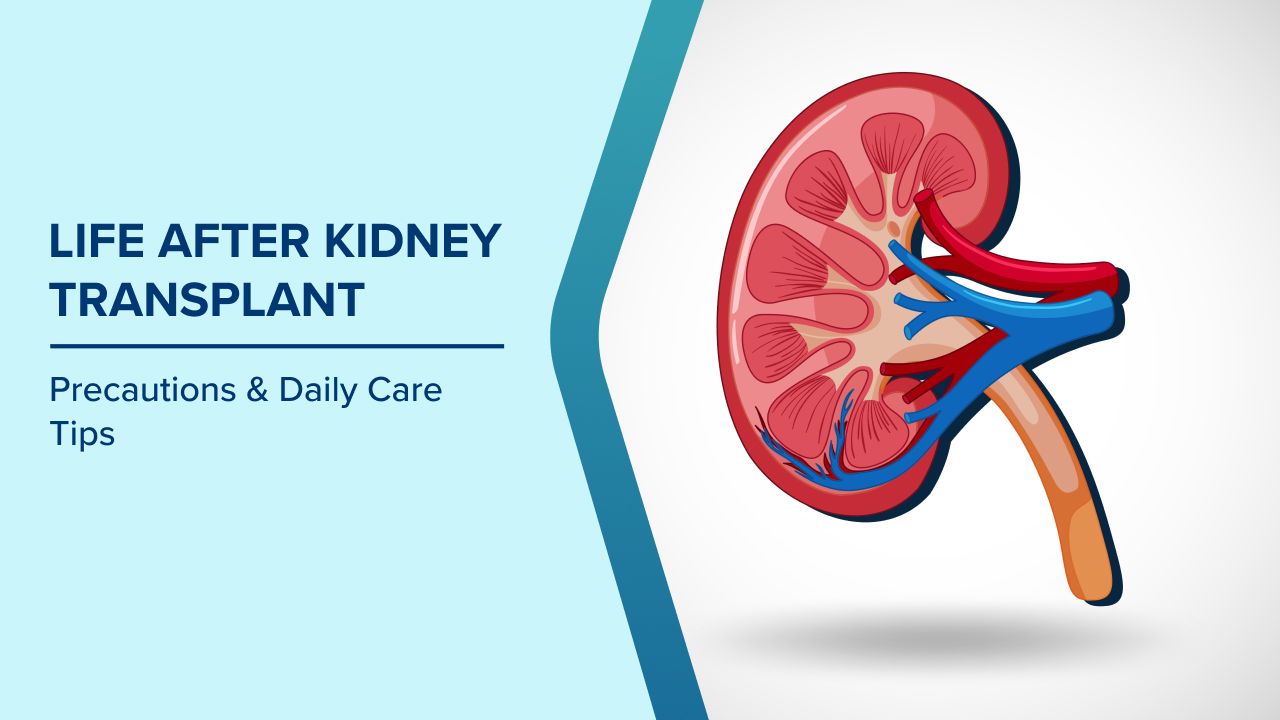
A kidney transplant is a significant step towards improved health and quality of life. However, the journey does not end with the surgery. The period that follows requires careful attention, consistency, and awareness. The body needs time to adjust to the new organ, and daily habits begin to play a central role in maintaining stability.
Following the right precautions is not about restriction. It is about building a routine that supports long-term well-being. With the right approach, individuals can return to a balanced and active life while protecting their health.
Protecting the Immune System in Everyday Life
After a kidney transplant, the immune system functions differently due to prescribed medications. This makes the body more sensitive to infections that may otherwise seem minor.
Simple precautions in daily life can make a meaningful difference:
- Avoid close contact with people who are unwell
- Be mindful in crowded or poorly ventilated spaces
- Keep personal items such as towels and utensils separate when needed
- Maintain a clean and organised living environment
Building awareness around exposure helps reduce unnecessary health risks.
Hygiene Habits That Support Daily Safety
Hygiene is one of the most effective ways to maintain stability after a transplant. It goes beyond basic cleanliness and becomes a protective habit.
Important practices include:
- Washing hands thoroughly before meals and after returning home
- Keeping nails trimmed and clean
- Changing clothes after spending time outdoors
- Ensuring regular cleaning of frequently touched surfaces
Consistency in these habits supports overall safety and reduces the chance of infections.
Read More:- Kidney Failure: Types, Symptoms, Causes & Management
Being Mindful in Social and Public Settings
Returning to social life is an important part of emotional well-being. However, certain precautions can help maintain balance while staying socially active.
Consider the following:
- Choose well-ventilated spaces for gatherings
- Limit prolonged exposure in crowded areas when possible
- Carry hand sanitiser for use when needed
- Avoid sharing personal items such as bottles or cutlery
These small adjustments allow individuals to stay connected without compromising their health.
Medication Discipline and Routine
Medication plays a central role after a kidney transplant. Maintaining a strict routine is essential for supporting the body’s adaptation to the new organ.
Helpful practices include:
- Taking medicines at the same time every day
- Using reminders or organisers to avoid missed doses
- Keeping a record of medications when travelling
- Consulting a doctor before taking any additional medicines or supplements
A structured approach to medication helps maintain consistency and supports long term outcomes.
Travel Precautions and Planning Ahead
Travel can be safely managed with the right preparation. Whether it is a short trip or a longer journey, planning ahead helps avoid disruptions.
Key precautions include:
- Carrying all necessary medications in hand luggage
- Keeping a copy of medical records or prescriptions
- Choosing hygienic accommodation
- Avoiding areas with limited access to healthcare facilities
Being prepared allows individuals to travel with greater confidence and peace of mind.
Food Safety Beyond Basic Diet Choices
Food habits require careful attention after a transplant. The focus is not only on what is eaten, but also on how food is handled and prepared.
Precautions to follow include:
- Eating freshly prepared meals whenever possible
- Avoiding food that has been left out for long periods
- Washing fruits and vegetables thoroughly
- Ensuring proper cooking of meals
Safe food practices support overall health and reduce avoidable risks.
Read More:- Lowering the Risk of Chronic Kidney Disease
Recognising Subtle Changes in the Body
Listening to the body becomes an important habit after a transplant. Not all signs are obvious, and early awareness can make a difference.
Pay attention to:
- Unusual tiredness or weakness
- Changes in appetite
- Mild swelling or discomfort
- Slight variations in daily energy levels
Noticing small changes early allows timely communication with healthcare providers.
Mental and Emotional Well-Being
Adjusting to life after a transplant is not only physical. Emotional balance is equally important. It is normal to experience a range of feelings during this period.
Ways to support emotional well-being include:
- Maintaining a regular daily routine
- Staying connected with family and friends
- Engaging in relaxing activities such as reading or walking
- Speaking openly about concerns when needed
A calm and balanced mindset supports overall recovery and long-term stability.
Workplace and Lifestyle Adjustments
Returning to work is an important milestone. However, gradual adjustments can help make this transition smoother.
Consider the following:
- Start with flexible or reduced working hours if possible
- Avoid excessive physical strain
- Take regular breaks during the day
- Maintain a comfortable and clean workspace
Balancing work with health priorities helps maintain energy and focus.
Building a Sustainable Daily Routine
Consistency is key after a kidney transplant. A well-structured routine supports both physical and mental well-being.
A balanced day may include:
- Regular meal timings
- Adequate rest and sleep
- Light physical activity as advised
- Time for relaxation and personal care
A steady routine creates a sense of normalcy and supports long-term health.
Conclusion
Life after a kidney transplant involves more than medical care. It is shaped by daily choices, habits, and awareness. Following the right precautions helps protect the body and supports a smoother path forward.
These precautions are not meant to limit life but to guide it in a healthier direction. With consistency and care, individuals can lead active and fulfilling lives while maintaining long-term well-being.
Frequently Asked Questions
1. Can weather changes affect how I feel after a kidney transplant?
Some individuals may notice changes in energy levels or comfort with seasonal shifts. Adapting clothing and daily routines can help maintain balance.
2. Is it necessary to inform employers about a kidney transplant?
This depends on personal preference, but informing employers can help create a supportive work environment and allow necessary flexibility.
3. Can hobbies be continued after a kidney transplant?
Most hobbies can be resumed gradually. Choosing activities that are safe and not physically demanding is usually advisable.
4. How can I manage long hours outside the home?
Planning ahead with meals, medications, and hygiene essentials can help maintain routine even during busy days.
5. Are there any precautions to consider during festivals or celebrations?
Being mindful of food hygiene, exposure to crowds, and medication schedules can help balance enjoyment with safety.
Written and Verified by:

Related Blogs

Dr. Anant Kumar In Urology , Kidney Transplant , Uro-Oncology
Nov 08 , 2020 | 8 min read

Dr. Shailendra Kumar Goel In Urology , Kidney Transplant , Uro-Oncology
Nov 08 , 2020 | 4 min read
Blogs by Doctor

Monthly Testicular Self-Exam: Step-by-Step Guide for Men’s Health
Dr. Mrinal Pahwa In Urology , Kidney Transplant , Uro-Oncology
Jul 08 , 2025 | 4 min read

Prostate Health Myth vs Fact: What Every Man Should Know About
Dr. Mrinal Pahwa In Urology , Kidney Transplant , Uro-Oncology
Dec 04 , 2025 | 4 min read
Most read Blogs


Related Blogs
Dr. Anant Kumar In Urology , Kidney Transplant , Uro-Oncology
Nov 08 , 2020 | 8 min read
Dr. Shailendra Kumar Goel In Urology , Kidney Transplant , Uro-Oncology
Nov 08 , 2020 | 4 min read
Blogs by Doctor
Monthly Testicular Self-Exam: Step-by-Step Guide for Men’s Health
Dr. Mrinal Pahwa In Urology , Kidney Transplant , Uro-Oncology
Jul 08 , 2025 | 4 min read
Prostate Health Myth vs Fact: What Every Man Should Know About
Dr. Mrinal Pahwa In Urology , Kidney Transplant , Uro-Oncology
Dec 04 , 2025 | 4 min read
Most read Blogs