 WhatsApp Us (24/7)
 +91 926 888 0303 (24/7)


To Book an Appointment
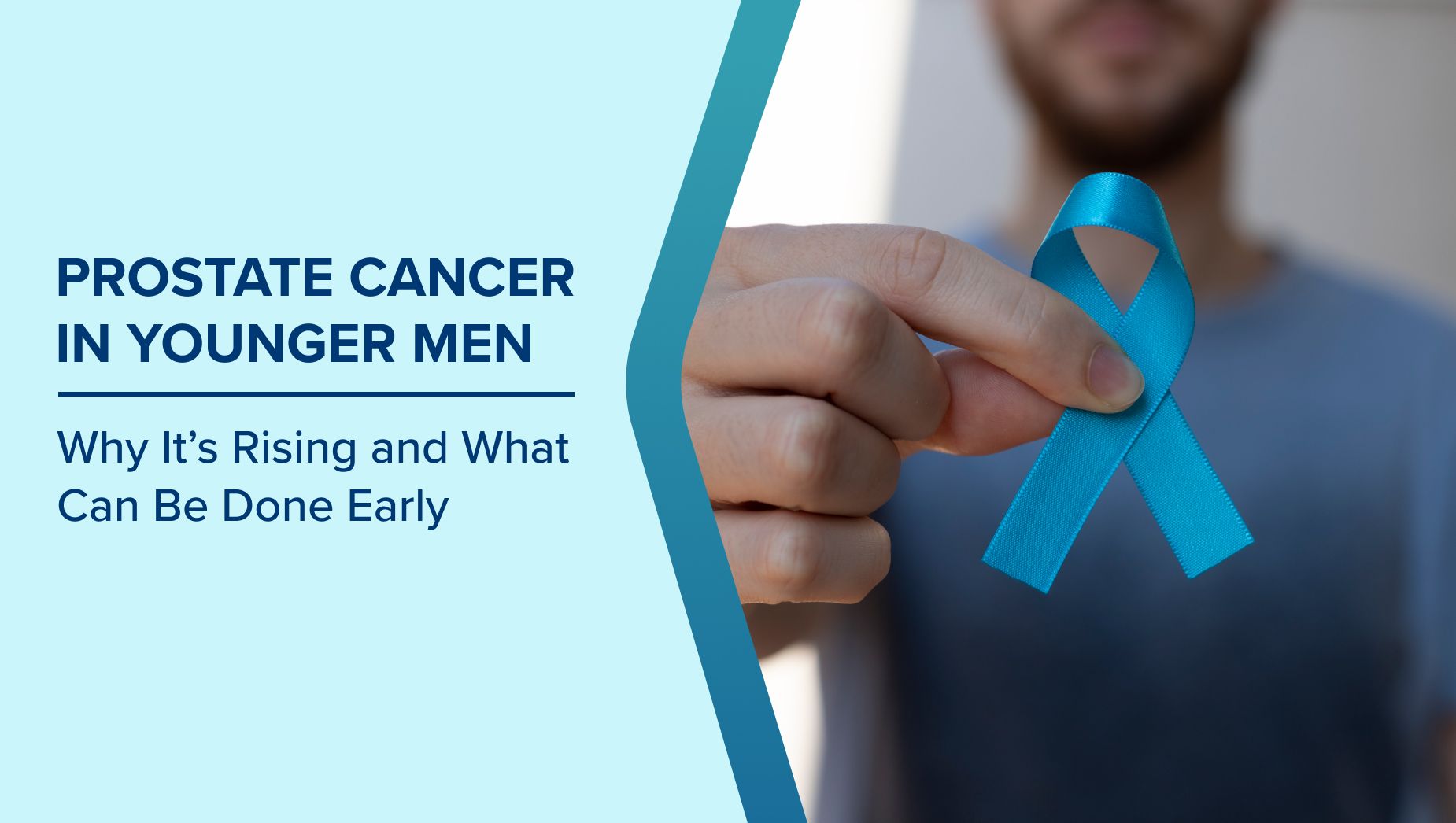
Call Us+91 926 888 0303Prostate Cancer in Younger Men: Why It’s Rising and What Can Be Done Early
By Dr Sachin Arakere Nataraj in Uro-Oncology , Robotic Surgery
Nov 21 , 2025 | 4 min read

Prostate cancer is often thought of as an older man’s disease, and in most cases, it is. The risk increases significantly after age 50. However, cases among men in their 40s are being recognised more frequently, leading to greater awareness about early detection and prevention.
For many men balancing careers, family, and personal goals, routine health checks often take a back seat. But learning how genetics, lifestyle, and awareness affect prostate health can make a meaningful difference. Early understanding and attention can help detect potential problems when they’re easiest to manage.
Why Some Men Develop Prostate Cancer Earlier
While age remains the most significant risk factor, several elements can increase the likelihood of developing prostate cancer earlier in life.
Family History and Genetics
Genetics play a major role. Men with a father, brother, or son diagnosed with prostate cancer have a higher lifetime risk. Specific gene mutations — such as BRCA1 and BRCA2 — can also increase susceptibility. Knowing your family’s medical background helps your doctor determine when screening should start.
Lifestyle and Diet
Modern lifestyles often include processed foods, low activity levels, and high stress, all of which can influence hormonal balance and immune health. Over time, these factors can affect the prostate and other organs. Adopting healthier eating and exercise habits may help lower overall risk.
Environmental Factors
Exposure to pollutants, industrial chemicals, or certain workplace toxins may also contribute to cellular damage, though research is ongoing. Maintaining a healthy environment and reducing exposure where possible is a smart preventive step.
Recognising the Early Signs
Prostate cancer usually develops slowly and may not cause noticeable symptoms in its early stages. However, being aware of changes in urinary or sexual health is still important. Possible warning signs include:
- Frequent urination, especially at night
- Weak or interrupted urine flow
- Pain or burning while urinating
- Blood in urine or semen
- Persistent pain in the lower back, hips, or thighs
Note: These symptoms are not exclusive to prostate cancer, especially in younger men. They can be caused by benign conditions like prostatitis (inflammation) or benign prostatic enlargement. However, any persistent change should be checked by a healthcare professional.
Breaking the Stigma Around Prostate Health
Discussions about prostate health are often avoided due to discomfort or embarrassment, but breaking that silence is vital. Open conversations encourage men to take preventive action and seek help early if symptoms appear.
Why Screening Matters
Screening can detect prostate changes before symptoms develop. It usually involves:
- PSA Blood Test: Measures prostate-specific antigen levels.
- Digital Rectal Exam (DRE): Allows doctors to feel for abnormalities.
When to start screening:
- Age 50 for most men
- Age 45 for those at higher risk (family history)
- Before 45 only if symptoms or specific risk factors are present
Routine screening for the general population before age 40 is not recommended, as evidence does not show clear benefits in that group.
Healthy Habits That Support Prostate Wellness
While no lifestyle guarantees prevention, certain habits can support prostate and overall health.
Eat Smart
A balanced diet filled with fruits, vegetables, whole grains, and lean proteins promotes hormone balance and immune function. Foods rich in antioxidants, like tomatoes, berries, and green leafy vegetables, are particularly beneficial.
Stay Physically Active
Regular activity improves circulation and helps maintain a healthy weight. Try walking, swimming, cycling, or resistance training several times a week.
Manage Stress
Chronic stress can affect hormonal health. Relaxation techniques such as mindfulness, yoga, or simply spending time outdoors can help reduce tension.
Limit Alcohol and Avoid Smoking
Both habits increase oxidative stress in the body, which can contribute to cell damage. Cutting back helps protect your overall health.
Prioritise Sleep
Sleep is essential for hormone regulation and tissue repair. Poor sleep habits can affect long-term wellness, including prostate health.
Understanding Family Risk and Genetic Awareness
If prostate cancer runs in your family, awareness is your strongest tool. Discuss your family history with your doctor so they can recommend personalized screening plans. In some cases, genetic testing may be appropriate to identify inherited mutations that raise risk.
This isn’t about causing worry, it’s about using knowledge to guide early, proactive care.
Conclusion
While prostate cancer is still far more common in older men, awareness should start early.
Understanding family risk, noticing persistent urinary or pelvic symptoms, and maintaining a healthy lifestyle are key steps toward prevention.
Remember: Most prostate problems in younger men are not cancer, but getting evaluated early ensures peace of mind and timely care if needed.
Frequently Asked Questions
1. Can prostate cancer affect fertility in younger men?
Yes, some treatments may impact fertility. If you plan to have children, discuss sperm preservation options before treatment.
2. Are these symptoms always signs of prostate cancer?
No, many urinary or pelvic symptoms have non-cancerous causes like infection or inflammation. Still, a medical evaluation is important to rule out serious conditions.
3. How can partners support someone going through prostate cancer?
Emotional support, attending appointments, and keeping communication open all help. Understanding the treatment process can strengthen relationships and improve coping.
4. What lifestyle habits help after treatment?
Balanced nutrition, light exercise, good sleep, and positive thinking all contribute to recovery and resilience.
5. Does mental health affect recovery?
Yes, stress management, counselling, or joining support groups can improve emotional well-being and enhance overall healing.
Written and Verified by:

Related Blogs

Dr. Anant Kumar In Urology , Kidney Transplant , Uro-Oncology
Nov 08 , 2020 | 8 min read
Dr. Shailendra Kumar Goel In Urology , Kidney Transplant , Uro-Oncology
Nov 08 , 2020 | 4 min read
Most read Blogs


Related Blogs
Dr. Anant Kumar In Urology , Kidney Transplant , Uro-Oncology
Nov 08 , 2020 | 8 min read
Dr. Shailendra Kumar Goel In Urology , Kidney Transplant , Uro-Oncology
Nov 08 , 2020 | 4 min read
Most read Blogs