 WhatsApp Us (24/7)
 +91 926 888 0303 (24/7)


To Book an Appointment
Call Us+91 926 888 0303Robotic-Assisted IVF: Improving Accuracy and Fertility Treatment Success Rates
By Dr. Usha M Kumar in Infertility & IVF , Robotic Surgery
Aug 25 , 2025 | 5 min read

Fertility treatments have come a long way in recent decades, offering hope to millions of individuals and couples struggling with infertility. Advances in medical technology have transformed assisted reproduction, making procedures like In Vitro Fertilisation (IVF) more effective and accessible than ever. Among the latest innovations is the use of robotics, which is changing the way fertility treatments are performed.
Robotics in fertility treatments is revolutionising assisted reproduction by enhancing precision, reducing human error, and improving overall success rates. This blog will explore how robotics is reshaping the future of fertility treatments, providing a new avenue for infertility solutions.
Robotics in Fertility Treatments: A New Era of Precision
Robotics in fertility treatments represents a significant leap forward in medical technology. Unlike traditional methods, robotic-assisted procedures utilise highly advanced machines to assist doctors in performing delicate tasks with increased accuracy and minimal invasiveness. These robotic systems can be used in various aspects of assisted reproduction, including egg retrieval, embryo transfer, and even in robotic surgery for fertility-related conditions.
Robotic-Assisted IVF: Enhancing Precision and Success Rates
One of the most notable applications of robotics in fertility treatments is in IVF. In traditional IVF procedures, human hands are used to retrieve eggs, fertilise them, and transfer embryos into the uterus. While these techniques are generally successful, they do leave room for human error, especially when it comes to delicate tasks like embryo handling.
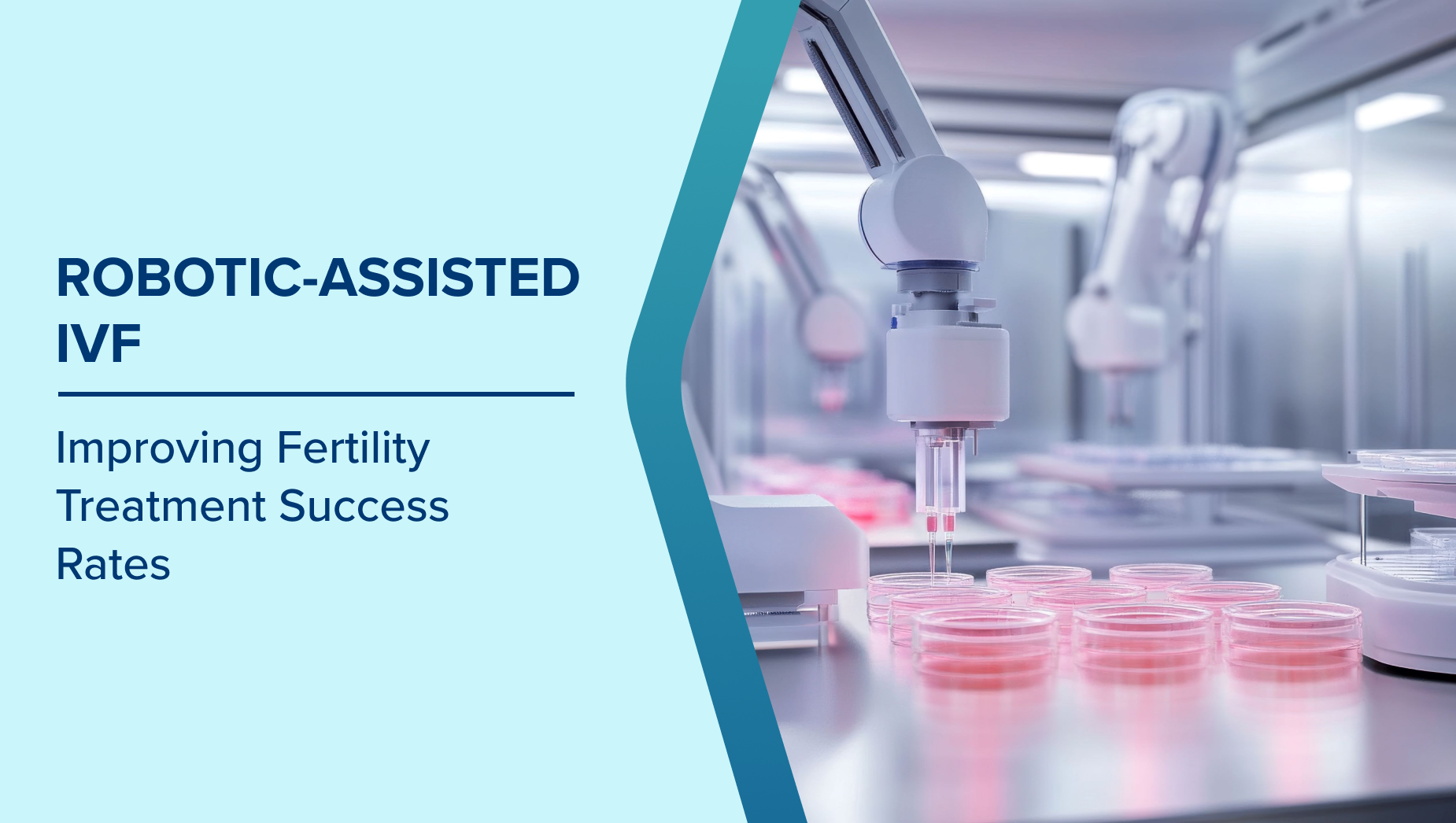
Robotic systems, such as the Robotic-Assisted In Vitro Fertilisation (RA-IVF), are designed to enhance the precision of these procedures. Using a robotic arm, fertility specialists can now perform tasks such as egg retrieval and embryo transfer with extreme accuracy. These robotic systems are equipped with tiny, high-resolution cameras and specialised tools that allow doctors to see and manipulate the eggs and embryos with unparalleled precision. This added level of control helps to reduce errors, ultimately improving the chances of a successful pregnancy.
Moreover, the use of robotics minimises the risk of injury to both the patient and the embryos, leading to better outcomes and fewer complications. Robotics also reduces the need for manual adjustments, offering a smoother and more predictable IVF experience.
Reduced Patient Discomfort and Faster Recovery
Traditional fertility treatments often involve invasive procedures that can cause discomfort and require a significant recovery time. Robotic-assisted IVF offers a less invasive approach, reducing the amount of physical trauma to the body during procedures like egg retrieval and embryo transfer. With robotic arms performing precise movements, the need for large incisions or long recovery periods is minimised, allowing patients to recover faster and with less pain.
The robot-assisted approach is also beneficial for patients who may have anxiety about traditional fertility treatments. The precision and gentleness of robotic procedures can reduce the emotional and physical stress that many individuals feel when undergoing assisted reproduction.
Traditional Fertility Treatments vs. Robotic-Assisted Procedures
While traditional fertility treatments have been highly successful in helping people conceive, they are not without limitations. Traditional IVF relies heavily on the skill of the fertility specialist to perform complex tasks with accuracy. However, even the most skilled professionals can make mistakes, particularly in delicate procedures like egg retrieval or embryo transfer.
In comparison, robotic-assisted IVF offers several advantages over traditional methods:
- Enhanced Precision: Robotics allow for more accurate embryo placement, which is crucial for the success of IVF.
- Reduced Human Error: Robotic systems eliminate the risk of mistakes caused by human factors like tremors or fatigue.
- Minimised Invasiveness: Robotic systems allow for smaller incisions, reducing pain and scarring.
- Faster Recovery: Patients experience less trauma and shorter recovery times due to the less invasive nature of robotic-assisted procedures.
While traditional IVF still plays a critical role in fertility treatments, the incorporation of robotics is a game-changer in terms of increasing the success rate and minimizing patient discomfort.
The Future of Fertility: Precision Medicine and Robotics
As technology continues to advance, the future of fertility treatments looks even more promising. Robotics is expected to play an even larger role in shaping the future of assisted reproduction, with ongoing improvements in fertility technology leading to more personalised and effective treatments.
One exciting development in this field is the use of precision medicine for fertility. Precision medicine tailors treatments to an individual’s genetic makeup, lifestyle, and health history. Robotics combined with precision medicine will enable fertility specialists to deliver highly customized treatment plans that address each patient’s unique needs, improving the chances of success even further.
Additionally, as robotic systems continue to evolve, they will become more integrated with artificial intelligence (AI) and machine learning. This integration will help robotic systems learn from past treatments and provide doctors with real-time data that can further optimise fertility procedures. The future of fertility treatments will likely see more automated systems that can assist with everything from monitoring hormonal levels to performing complex surgeries.
Conclusion
The integration of robotics into fertility treatments is revolutionising assisted reproduction. With enhanced precision, reduced human error, and minimised patient discomfort, robotic-assisted IVF is improving the odds of success for couples struggling with infertility. As fertility technology continues to advance, the future looks brighter than ever, offering more personalised and effective infertility solutions. With robotics playing an increasingly prominent role in the field, we can expect to see even greater advancements in the years to come, making fertility treatments more accessible and successful for all.
Frequently Asked Questions
What is robotic-assisted IVF?
Robotic-assisted IVF uses advanced robotic systems to assist fertility specialists in performing delicate tasks, such as egg retrieval, embryo handling, and embryo transfer, with enhanced precision and reduced risk of error.
How does robotics improve fertility treatments?
Robotics enhances fertility treatments by offering improved accuracy, minimising human error, and reducing the invasiveness of procedures, ultimately leading to higher success rates and quicker recovery times.
Is robotic-assisted IVF better than traditional IVF?
Robotic-assisted IVF offers several advantages over traditional IVF, including greater precision, reduced human error, and less physical discomfort for patients. However, traditional IVF is still effective, and the choice depends on the specific needs of the patient.
Are robotic-assisted fertility treatments more expensive than traditional methods?
While robotic-assisted fertility treatments may be more expensive due to the advanced technology involved, the potential for higher success rates and reduced complications may make them a worthwhile investment for many patients.
Can robotics help with infertility solutions beyond IVF?
Yes, robotics is also being used in other fertility-related surgeries and treatments, such as correcting reproductive organ issues or performing tubal surgeries. As technology advances, robotic systems may be used in more areas of reproductive health.
Written and Verified by:

Related Blogs

Dr. Richa Singh In Infertility & IVF
Nov 08 , 2020 | 2 min read

Dr. Richa Singh In Infertility & IVF
Nov 08 , 2020 | 2 min read
Blogs by Doctor

What is Endometriosis: Symptoms, Diagnosis, and Management Options
Dr. Usha M Kumar In Obstetrics And Gynaecology , Robotic Surgery , Gynaecologic Laparoscopy
Dec 04 , 2024 | 1 min read

Fertility Sparing Robotic Surgery: Conditions Treated and Advantages
Dr. Usha M Kumar In Obstetrics And Gynaecology , Robotic Surgery , Gynaecologic Laparoscopy
Feb 16 , 2025 | 1 min read
Most read Blogs


Related Blogs
Dr. Richa Singh In Infertility & IVF
Nov 08 , 2020 | 2 min read
Dr. Richa Singh In Infertility & IVF
Nov 08 , 2020 | 2 min read
Blogs by Doctor
What is Endometriosis: Symptoms, Diagnosis, and Management Options
Dr. Usha M Kumar In Obstetrics And Gynaecology , Robotic Surgery , Gynaecologic Laparoscopy
Dec 04 , 2024 | 1 min read
Fertility Sparing Robotic Surgery: Conditions Treated and Advantages
Dr. Usha M Kumar In Obstetrics And Gynaecology , Robotic Surgery , Gynaecologic Laparoscopy
Feb 16 , 2025 | 1 min read
Most read Blogs