 WhatsApp Us (24/7)
 +91 926 888 0303 (24/7)


To Book an Appointment
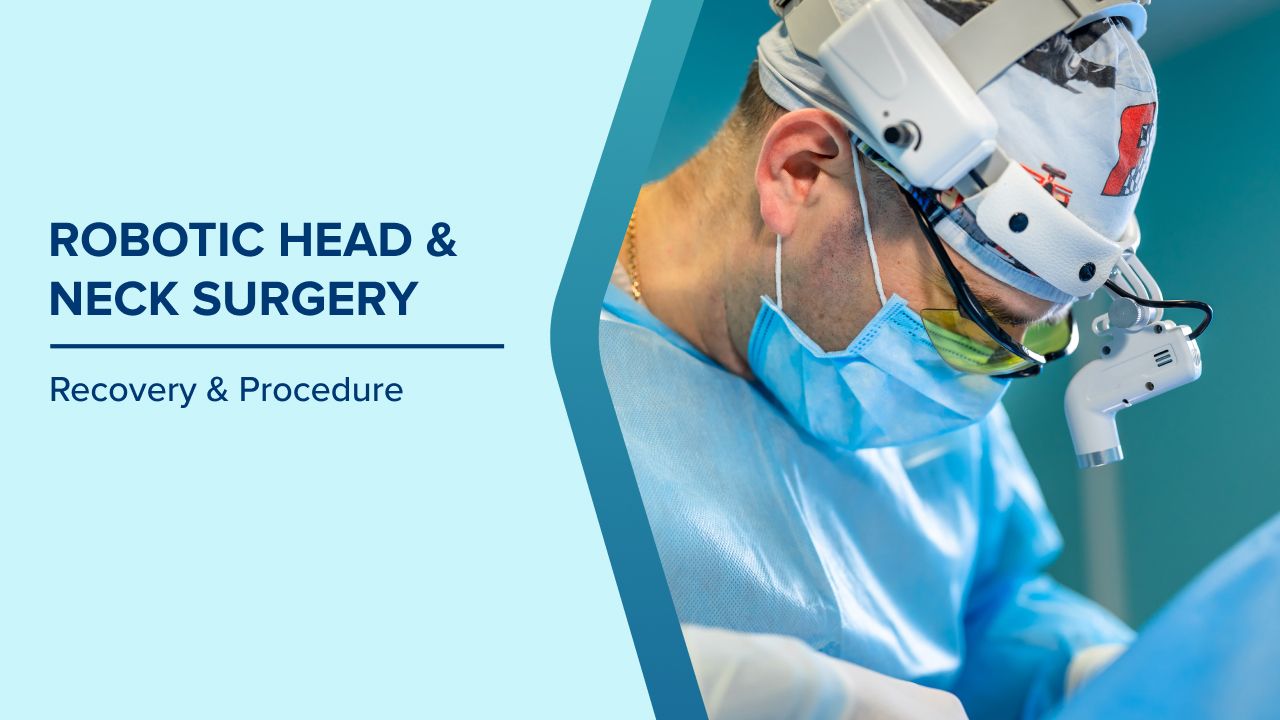
Call Us+91 926 888 0303Benefits of Robotic Head & Neck Surgery : Recovery & Procedure
By Dr Anadi Pachaury in Surgical Oncology , Cancer Care / Oncology , Breast Cancer , Gynecologic Oncology , Head & Neck Oncology , Gastro Intestinal & Hepatopancreatobiliary Surgical Oncology , Robotic Surgery
May 15 , 2026 | 4 min read
1

Advancements in surgical technology are transforming how complex procedures are performed, especially in delicate areas such as the head and neck. One of the most significant developments in recent years is the use of robotic systems in surgery.
Robotics in head and neck surgery is not about replacing the surgeon. It is about enhancing precision, improving access to difficult areas, and supporting better recovery outcomes. For patients dealing with conditions like Head and Neck Cancer, this approach is gradually becoming an important option in modern care.
What Is Robotic Head and Neck Surgery?
Robotic surgery is a minimally invasive technique where the surgeon uses a specialised console to control robotic instruments. These instruments can move with greater flexibility and precision than the human hand.
In head and neck procedures, this is particularly valuable because the surgical area is:
- Compact and complex
- Surrounded by vital structures
- Difficult to access using traditional methods
The robotic system translates the surgeon’s hand movements into smaller, more controlled actions, allowing for highly accurate procedures.
Why Robotics Is Gaining Importance in This Field
Head and neck surgeries often involve critical functions such as speech, swallowing, and breathing. Preserving these functions while removing affected tissue is a key priority.
Robotic-assisted surgery helps address this challenge by offering:
Better Visualisation
Surgeons get a high-definition, magnified view of the surgical area, which helps in identifying even the smallest structures.
Greater Precision
Robotic instruments can perform delicate movements with minimal disruption to surrounding tissues.
Access to Difficult Areas
Areas like the throat, base of the tongue, and voice box are hard to reach. Robotics allows surgeons to operate without large external cuts.
Common Conditions Where Robotics Is Used
Robotic surgery is increasingly used for a range of conditions affecting the head and neck region.
Oral and Throat Tumours
Tumours located in the mouth or throat can often be removed through the mouth using robotic tools, avoiding external incisions.
Base of Tongue Conditions
This area is difficult to access with conventional techniques. Robotics allows better reach and control.
Voice Box Procedures
Selected cases involving the voice box can benefit from the precise removal of abnormal tissue.
How Robotic Surgery Is Different from Traditional Surgery
Understanding the difference helps patients make informed decisions.
Traditional Surgery
- Often requires larger external incisions
- May involve more tissue disruption
- Longer recovery time in some cases
Robotic Surgery
- Minimally invasive approach
- Smaller or no visible incisions
- Reduced impact on surrounding structures
- Faster return to daily activities
The goal is not to replace traditional methods entirely but to offer an alternative where appropriate.
Benefits of Robotic Head and Neck Surgery
The advantages of robotic surgery are closely linked to its precision and minimally invasive nature.
Reduced Surgical Trauma
Smaller incisions mean less damage to surrounding tissues.
Faster Recovery
Patients often experience shorter hospital stays and quicker healing.
Improved Functional Outcomes
Preserving speech and swallowing functions is a major benefit in head and neck procedures.
Less Post-Operative Discomfort
Many patients report lower levels of discomfort compared to conventional surgery.
Better Cosmetic Outcomes
Since many procedures are performed internally, visible scarring is minimal or absent.
What to Expect Before the Procedure
Preparation is important in ensuring a smooth surgical experience.
Initial Evaluation
The doctor will assess:
- The location and extent of the condition
- Overall health status
- Suitability for robotic surgery
Pre-Surgical Planning
Imaging and detailed examination help plan the procedure with precision.
Patient Guidance
Patients are informed about:
- The procedure steps
- Expected recovery timeline
- Post-surgical care requirements
What Happens During the Surgery
During robotic surgery:
- The surgeon sits at a console and controls the robotic system
- Tiny instruments are inserted through natural openings or small entry points
- A camera provides a magnified, 3D view of the surgical site
The robotic system does not act independently. Every movement is controlled by the surgeon in real time.
Recovery After Robotic Surgery
Recovery is generally smoother compared to traditional methods, although it varies depending on the procedure.
Early Recovery Phase
- Shorter hospital stay in many cases
- Gradual return to oral intake
- Monitoring for healing and function
Returning to Daily Activities
Most patients can resume routine activities sooner, depending on individual recovery.
Follow-Up Care
Regular follow-up ensures:
- Proper healing
- Monitoring of function
- Early identification of any concerns
The Role of the Surgeon in Robotic Procedures
It is important to understand that the success of robotic surgery depends on the expertise of the surgeon.
The robotic system is a tool, and its effectiveness relies on:
- Surgical experience
- Skill in handling complex cases
- Proper patient selection
Choosing a trained and experienced specialist is essential for achieving the best outcomes.
The Future of Robotics in Head and Neck Surgery
Robotic surgery continues to evolve, with ongoing improvements in:
- Instrument design
- Imaging quality
- Surgical planning tools
As technology advances, the focus remains on:
- Enhancing precision
- Reducing recovery time
- Improving patient comfort
The future of head and neck surgery is likely to see even greater integration of robotics into routine care.
Read More: Robotic Surgery: How It Works, Key Benefits, and Recovery Insights
Conclusion
Robotics in head and neck surgery represents a meaningful shift in how complex procedures are performed. Combining surgical expertise with advanced technology allows for more precise treatment while preserving essential functions.
For patients, this approach offers not just a medical solution but also a pathway to better recovery and quality of life. As awareness grows and access improves, robotic surgery is set to become an important part of modern surgical care.
Frequently Asked Questions
Can robotic surgery be combined with other treatments?
Yes, in many cases, surgical procedures may be part of a broader treatment plan that includes other therapies based on the condition.
How do patients prepare mentally for robotic surgery?
Understanding the procedure, discussing concerns with the medical team, and having clear expectations can help reduce anxiety.
Does robotic surgery affect hospital stay duration?
Hospital stay varies, but many patients experience shorter stays depending on the procedure and recovery progress.
Are there any restrictions after robotic head and neck surgery?
Post-surgical restrictions depend on the procedure but may include temporary dietary or activity adjustments.
How soon can normal speech return after surgery?
Recovery of speech varies based on the area treated and individual healing, with gradual improvement over time.
Written and Verified by:

Related Blogs

Dr. S. VEDA PADMA PRIYA In Surgical Oncology , Cancer Care / Oncology
May 16 , 2016 | 2 min read

Dr. Kanika Batra Modi In Surgical Oncology , Cancer Care / Oncology
May 26 , 2016 | 4 min read
Blogs by Doctor
Gastrointestinal Cancers: Types, Early Signs, Screening & Treatment
Dr Anadi Pachaury In Cancer Care / Oncology , Breast Cancer , Head & Neck Oncology , Robotic Surgery
Oct 25 , 2021 | 2 min read

Link Between Obesity and Breast Cancer: Understanding the Risks and Taking Action
Dr Anadi Pachaury In Cancer Care / Oncology , Breast Cancer
Oct 22 , 2025 | 4 min read
Most read Blogs


Related Blogs
Dr. S. VEDA PADMA PRIYA In Surgical Oncology , Cancer Care / Oncology
May 16 , 2016 | 2 min read
Dr. Kanika Batra Modi In Surgical Oncology , Cancer Care / Oncology
May 26 , 2016 | 4 min read
Blogs by Doctor
Gastrointestinal Cancers: Types, Early Signs, Screening & Treatment
Dr Anadi Pachaury In Cancer Care / Oncology , Breast Cancer , Head & Neck Oncology , Robotic Surgery
Oct 25 , 2021 | 2 min read
Link Between Obesity and Breast Cancer: Understanding the Risks and Taking Action
Dr Anadi Pachaury In Cancer Care / Oncology , Breast Cancer
Oct 22 , 2025 | 4 min read
Most read Blogs