 WhatsApp Us (24/7)
 +91 926 888 0303 (24/7)


To Book an Appointment
Call Us+91 926 888 0303Sleep Apnea and Breathing Disorders: Symptoms, Causes and Risks
By Dr. Deepak Bhasin in Pulmonology , Critical Care
May 04 , 2026

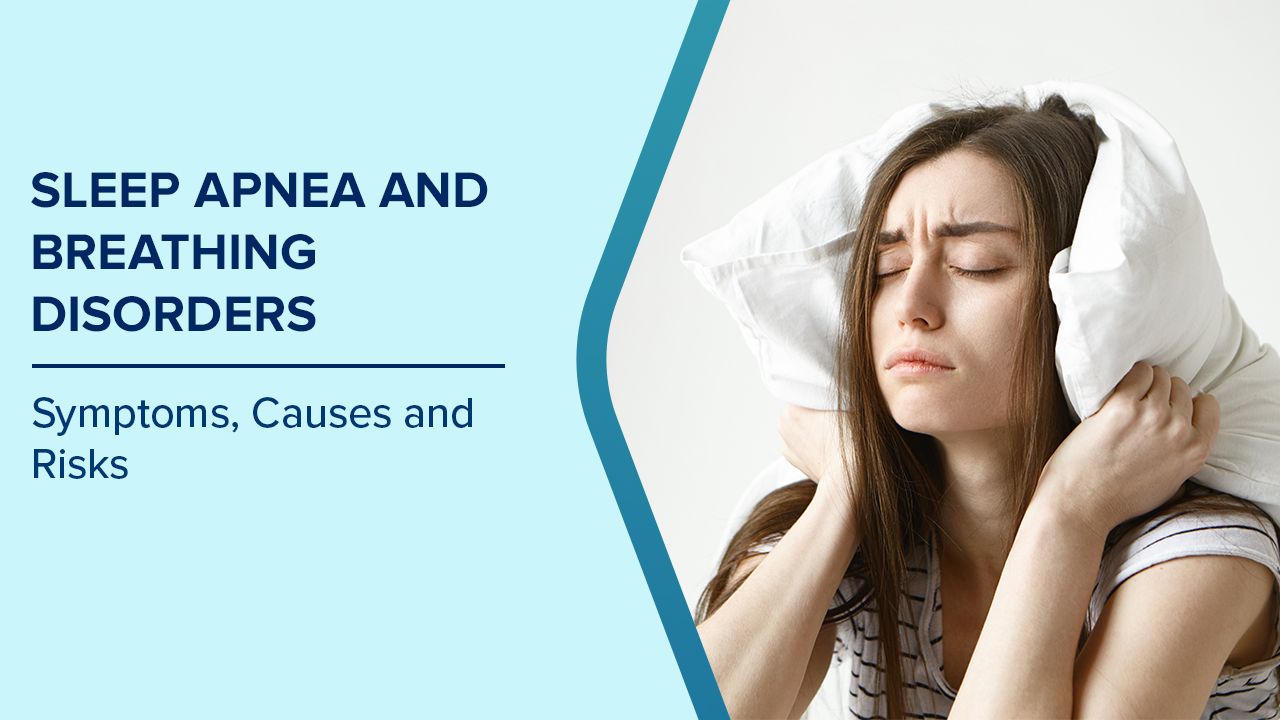
Sleep apnea is a frequently occurring and potentially serious sleep disorder in which a person’s breathing repeatedly pauses and resumes during sleep. These interruptions reduce oxygen levels and disrupt normal sleep quality, often leading to loud snoring, poor sleep quality, and excessive daytime fatigue. Many people are unaware they have breathing disorders during sleep until symptoms worsen. Because untreated sleep disruption can increase the risk of heart disease, high blood pressure, and other complications, early diagnosis and treatment are essential for long-term health.
What Is Sleep Apnea?
Sleep apnea is a disorder in which a person’s breathing repeatedly pauses during sleep due to partial or complete blockage of the airway or improper brain signalling.
These pauses can last from a few seconds to over a minute and may occur multiple times per hour, reducing the body's oxygen supply. Types of sleep apnea include:
- Obstructive Sleep Apnea (OSA): Caused by airway blockage
- Central Sleep Apnea: Occurs when the brain fails to send proper breathing signals
- Complex Sleep Apnea: A combination of obstructive and central types
Among these, obstructive sleep apnea is the most common form.
Common Symptoms of Sleep Apnea
Recognising sleep apnea symptoms early is crucial for preventing complications. Key symptoms include:
- Loud, persistent snoring (often noticed by others)
- Gasping or choking during sleep
- Frequent nighttime awakenings
- Morning headaches
- Dry mouth or sore throat on waking
- Excessive daytime sleepiness
- Difficulty concentrating or memory problems
- Irritability and mood changes
These symptoms are often mistaken for stress or fatigue, but they may indicate underlying sleep disorders.
Causes and Risk Factors
Sleep apnea develops due to multiple factors affecting airway stability and breathing control.
Obesity and Lifestyle Factors
Excess body weight is a major factor in narrowing the airway, which in turn increases the likelihood of developing sleep-related breathing problems.
Age and Gender
Sleep apnea becomes more common with age and is more frequently seen in men, although women are also affected, especially after menopause.
Anatomical Issues (Airway Blockage)
Structural factors such as:
- Narrow airway
- Enlarged tonsils
- Deviated nasal septum
can contribute to loud snoring and airway obstruction.
Alcohol and Sedatives
Alcohol and sedative medications relax throat muscles, increasing the likelihood of airway collapse during sleep.
Family History
Genetics can play a role in airway structure and respiratory control, increasing susceptibility to sleep apnea.
Why Sleep Apnea Is Dangerous
Untreated sleep apnea is not just a sleep issue, it is a serious medical condition that affects overall health. Major risks include:
- Low oxygen levels (hypoxia): Repeated drops in oxygen strain the body
- High blood pressure: Frequent oxygen fluctuations increase vascular stress
- Heart disease risk: Linked to irregular heart rhythms and heart failure
- Stroke risk: Reduced oxygen supply can affect brain health
- Poor mental health: Associated with anxiety, depression, and irritability
Chronic sleep apnea complications can significantly reduce quality of life if not treated early.
Types of Sleep Apnea
- Obstructive Sleep Apnea (OSA): The most common type, caused by relaxation of throat muscles leading to airway blockage.
- Central Sleep Apnea: Occurs when the brain fails to send proper signals to breathing muscles, often linked to neurological or cardiac conditions.
- Complex Sleep Apnea: A combination of both obstructive and central forms, requiring specialised management.
How Sleep Apnea Is Diagnosed
Accurate diagnosis is essential for effective treatment. Common diagnostic methods include:
- Sleep study (Polysomnography): Conducted in a sleep lab to monitor breathing, oxygen levels, and sleep stages
- Home sleep tests: Simplified monitoring devices used at home
- Clinical evaluation: Medical history, physical examination, and symptom review
These tests help confirm severity and guide treatment decisions.
Treatment Options for Sleep Apnea
Treatment depends on severity and underlying cause.
CPAP Therapy (Gold Standard Treatment)
Continuous Positive Airway Pressure (CPAP) therapy keeps the airway open by delivering steady air pressure through a mask. It is the most effective treatment for moderate to severe sleep apnea.
Lifestyle Changes
Simple changes can significantly improve symptoms:
- Weight loss
- Sleeping on your side
- Avoiding alcohol before bedtime
- Maintaining regular sleep schedules
Oral Appliances
Dental devices help keep the jaw and tongue forward to prevent airway blockage. These are often used in mild to moderate cases.
Surgery
In severe cases, surgical procedures may be recommended to remove or correct airway obstructions, such as enlarged tissues or structural abnormalities.
Breathing Disorders During Sleep
Sleep apnea is part of a broader category of sleep disorders affecting breathing, which includes conditions such as upper airway resistance syndrome and chronic snoring. These conditions often overlap with sleep apnea, sharing symptoms such as:
- Interrupted breathing
- Loud snoring
- Poor sleep quality
- Daytime fatigue
Early evaluation is important because symptoms may appear similar but require different treatments.
When to See a Doctor
You should consult a healthcare professional if you experience:
- Chronic loud snoring
- Observed breathing pauses during sleep
- Excessive daytime sleepiness affecting daily activities
- Waking up choking or gasping for air
- Morning headaches or persistent fatigue
These symptoms may indicate underlying risk factors for sleep apnea and require medical evaluation.
Long-Term Complications if Left Untreated
Ignoring sleep apnea can lead to serious health issues, including:
- Cardiovascular disease (heart attack, heart failure)
- Type 2 diabetes due to metabolic disruption
- Memory and concentration problems
- Reduced productivity and quality of life
- Increased risk of accidents due to daytime drowsiness
Early treatment can significantly reduce these risks.
Conclusion
Sleep apnea is a common yet serious sleep-related breathing disorder that can significantly affect overall health if left untreated. Symptoms like snoring, breathing pauses, and daytime fatigue should never be ignored. Early diagnosis through sleep studies and timely treatment, such as CPAP therapy and lifestyle changes, can greatly improve sleep quality and reduce health risks. Addressing sleep apnea symptoms early ensures better long-term heart, brain, and metabolic health, leading to improved quality of life.
Frequently Asked Questions
Is snoring always a sign of sleep apnea?
No, not all snoring indicates sleep apnea. However, loud and frequent snoring with breathing pauses should be evaluated by a doctor.
Can sleep apnea be cured permanently?
Some cases improve with weight loss or surgery, but many patients manage it long-term using CPAP therapy and lifestyle changes.
How serious is sleep apnea if untreated?
Untreated sleep apnea can lead to heart disease, stroke, and chronic fatigue, making it a potentially life-threatening condition.
Can sleep apnea affect the heart?
Yes, repeated oxygen drops increase strain on the heart, raising the risk of hypertension and heart-related conditions.
Do thin people get sleep apnea?
Yes, although obesity is a major risk factor, thin individuals can also develop sleep apnea due to anatomy or genetics.
How do I know if I have breathing pauses during sleep?
Often, a partner notices pauses, gasping, or choking sounds. A sleep study is the most reliable way to confirm a diagnosis.
Written and Verified by:

Related Blogs

Medical Expert Team
Jun 06 , 2015 | 2 min read

Blogs by Doctor

Respiratory Acidosis: Symptoms, Diagnosis, and Treatment
Dr. Deepak Bhasin In Pulmonology
Jan 22 , 2024 | 4 min read
Most read Blogs


Related Blogs
Medical Expert Team
Jun 06 , 2015 | 2 min read
Blogs by Doctor
Respiratory Acidosis: Symptoms, Diagnosis, and Treatment
Dr. Deepak Bhasin In Pulmonology
Jan 22 , 2024 | 4 min read
Most read Blogs