 WhatsApp Us (24/7)
 +91 926 888 0303 (24/7)


To Book an Appointment
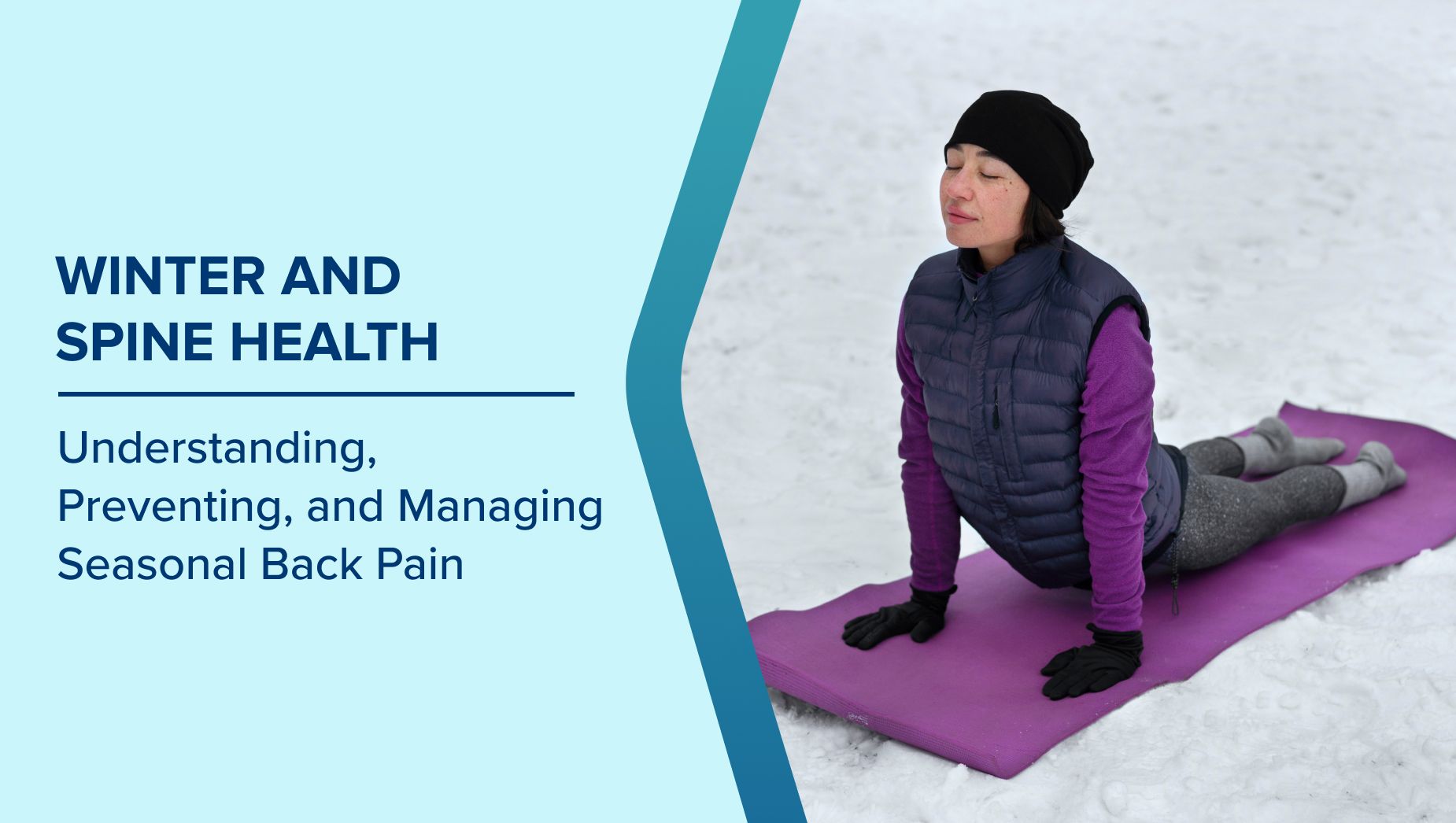
Call Us+91 926 888 0303Winter and Spine Health: Understanding, Preventing, and Managing Seasonal Back Pain
By Dr Jitesh Manghwani in Spine Surgery
Nov 26 , 2025 | 3 min read

As the temperature drops, many people begin to feel an all-too-familiar ache in their back and neck. For some, it’s a mild stiffness in the morning; for others, it’s a persistent pain that worsens through the season. Winter, while comforting in many ways, often brings discomfort for the spine. Understanding why spine issues intensify in the colder months and how to prevent them can make a world of difference in maintaining mobility, flexibility, and comfort.
Common Spine Complaints During the Winter Season
Spine-related problems are among the most common musculoskeletal complaints during winter. The drop in temperature, coupled with reduced physical activity, tends to aggravate underlying spine conditions or trigger new pain episodes.
The most frequent issues include:
- Lower back pain (lumbar strain or disc-related pain), especially in people with sedentary routines or prolonged sitting habits.
- Cervical pain or neck stiffness, often worsened by poor posture, cold air exposure, or sleeping in incorrect positions.
- Spondylosis and degenerative disc disease, where colder weather increases muscle tightness and reduces spinal flexibility.
- Sciatica or nerve compression symptoms may flare up with muscle spasms or reduced blood flow in the lower back.
- Postural pain, commonly seen in office professionals, drivers, or people working long hours indoors with limited activity.
These conditions can make even basic movements, such as bending, lifting objects, or turning, feel uncomfortable, interfering with daily routine and quality of life.
Why Spine Pain Worsens in Winter
Cold weather affects the body in multiple subtle ways that collectively strain the spine.
- Muscle Tightening and Reduced Flexibility: The body conserves heat by tightening muscles and reducing blood circulation to peripheral areas. This muscle stiffness decreases flexibility around the spine, making it more prone to strain and injury.
- Reduced Physical Activity: Shorter days and lower temperatures discourage outdoor exercise. A lack of movement weakens back and core muscles, which are crucial for spinal support.
- Joint Stiffness in Degenerative Conditions: Individuals with arthritis, spondylosis, or disc degeneration often report higher pain levels in winter due to inflammation and reduced joint lubrication.
- Vitamin D Deficiency: Limited sun exposure during winter leads to lower Vitamin D levels, affecting bone strength and muscle function.
- Posture and Lifestyle Factors: Staying curled up in blankets, slouching while working indoors, or spending long hours on couches with mobile devices all contribute to poor spinal alignment and back strain.
Preventive Measures & Winter Spine Care Tips
A few mindful changes in your daily routine can prevent winter from becoming a painful season for your spine.
- Stay Warm, Stay Relaxed: Dress in layers and keep your neck and lower back adequately covered. Sudden exposure to cold drafts can tighten spinal muscles and trigger spasms. Using heating pads or warm compresses can help maintain flexibility.
- Maintain Regular Movement: Avoid prolonged sitting or lying in one posture. Stretch your back, neck, and legs every 30-40 minutes if you work at a desk. Gentle morning stretches improve circulation and reduce stiffness.
- Exercise Consistently: Engage in regular general conditioning exercises that focus on mobility, flexibility, and spinal stability. Indoor options such as yoga, brisk walking, or resistance training keep the spine strong and supple.
- Maintain Ergonomic Posture: Ensure your workstation supports a neutral spine. Sit upright with your shoulders relaxed, feet flat, and screen at eye level. Proper alignment prevents undue strain on spinal discs.
- Balanced Diet and Hydration: Winter reduces thirst, but dehydration makes spinal discs less flexible. Drink adequate water and eat calcium and vitamin D-rich foods like dairy products, nuts, leafy greens, and fortified cereals to maintain bone health.
- Manage Weight and Inactivity: Extra winter calories and inactivity increase spinal load. A balanced routine of diet and light exercise can help maintain a healthy weight and posture.
- Sleep Right: Choose a medium-firm mattress and a supportive pillow that aligns the spine naturally. Avoid sleeping in curled-up positions that strain the lumbar or cervical regions.
- Listen to Your Body: Never ignore persistent back or neck stiffness. Early attention prevents chronic pain and long-term complications.
When to Consult a Spine Specialist
While mild stiffness or fatigue may subside with rest and care, certain symptoms require medical attention:
- Pain lasting more than two weeks or worsening over time
- Numbness, tingling, or weakness in the arms or legs
- Pain radiating to limbs or disrupting sleep
- Loss of balance or difficulty walking
- Sudden neck or back pain after a minor fall or strain
A specialist evaluation helps identify whether the issue stems from muscle fatigue, disc problems, or nerve compression. With advanced imaging and diagnostic tools, a spine specialist can design a personalised treatment plan, often starting with conservative approaches such as medication, physiotherapy, or posture correction before considering surgical options.
Conclusion
Winter doesn’t have to mean stiffness or pain. By maintaining movement, warmth, and posture, you can keep your spine strong throughout the season. Awareness and timely preventive care are the first steps to a healthy back, because when your spine is flexible, your life is flexible.
Written and Verified by:

Related Blogs

Prof. (Dr). V.K.Jain In Neurosciences , Spine Surgery
Nov 07 , 2020 | 5 min read
Dr. Amit Gupta In Spine Surgery , Neurology
Nov 07 , 2020 | 2 min read
Blogs by Doctor

Back Pain in Youth: Poor Posture, Sedentary Lifestyle & Tech Spine
Dr Jitesh Manghwani In Spine Surgery
Aug 13 , 2025 | 2 min read
Spinal Cord Injury Day 2025: Awareness, Prevention and Pathways to Recovery
Dr Jitesh Manghwani In Spine Surgery
Sep 03 , 2025 | 1 min read
Most read Blogs


Related Blogs
Prof. (Dr). V.K.Jain In Neurosciences , Spine Surgery
Nov 07 , 2020 | 5 min read
Dr. Amit Gupta In Spine Surgery , Neurology
Nov 07 , 2020 | 2 min read
Blogs by Doctor
Back Pain in Youth: Poor Posture, Sedentary Lifestyle & Tech Spine
Dr Jitesh Manghwani In Spine Surgery
Aug 13 , 2025 | 2 min read
Spinal Cord Injury Day 2025: Awareness, Prevention and Pathways to Recovery
Dr Jitesh Manghwani In Spine Surgery
Sep 03 , 2025 | 1 min read
Most read Blogs