 WhatsApp Us (24/7)
 +91 926 888 0303 (24/7)


To Book an Appointment
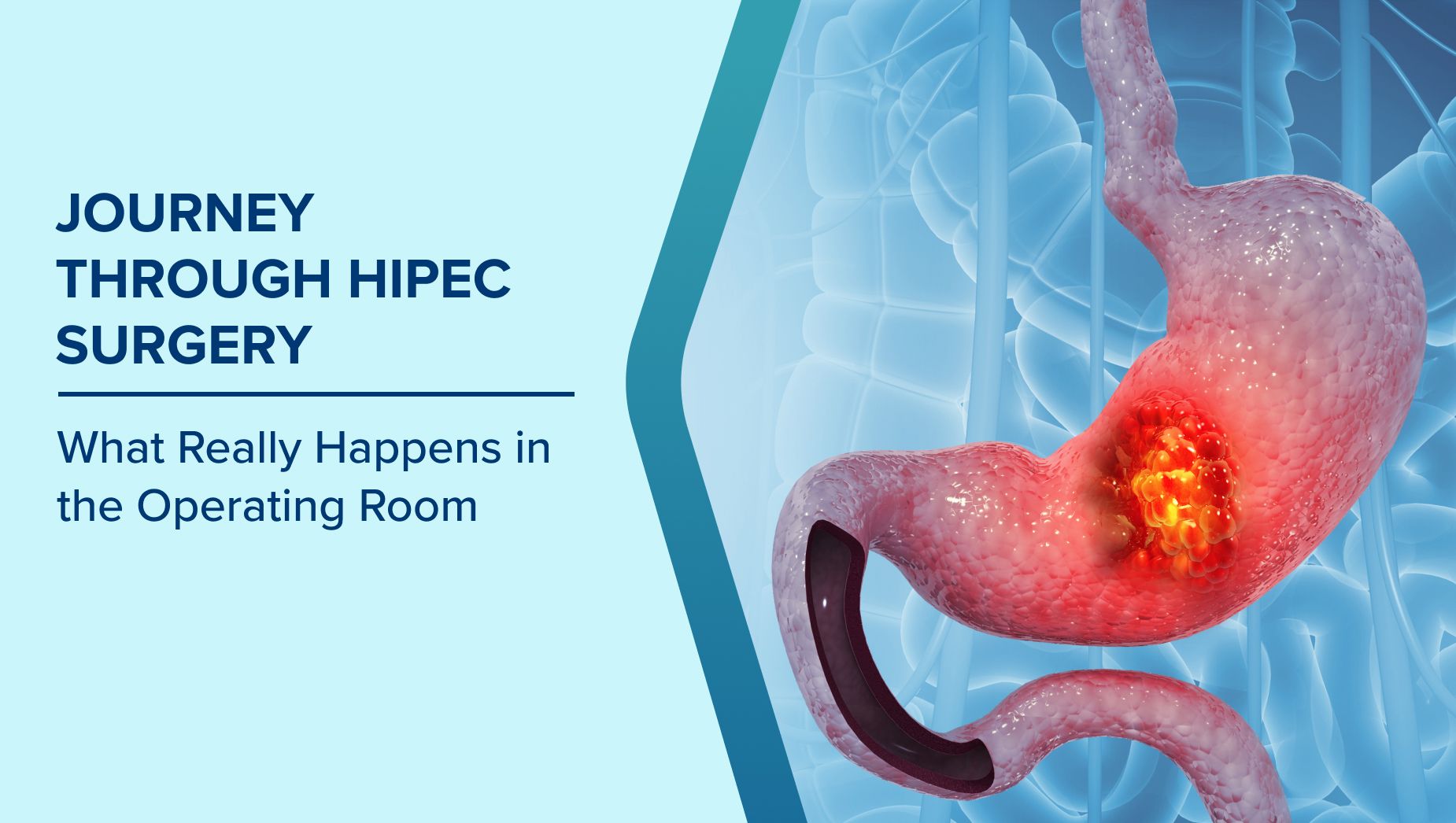
Call Us+91 926 888 0303Step-by-Step Journey Through HIPEC Surgery: What Really Happens in the Operating Room
By Dr. Sanjeev Kumar in Surgical Oncology , Cancer Care / Oncology , Gastrointestinal & Hepatobiliary Oncology , Gastro Intestinal & Hepatopancreatobiliary Surgical Oncology
Oct 29 , 2025 | 5 min read
1

HIPEC surgery, short for Hyperthermic Intraperitoneal Chemotherapy, is an advanced cancer treatment that combines surgery with heated chemotherapy. It is primarily used for cancers that spread within the abdominal cavity, such as ovarian, colon, and peritoneal cancers. Unlike traditional chemotherapy that circulates through the bloodstream, HIPEC directly targets cancer cells inside the abdomen, offering a more focused and effective approach.
Over the past few years, HIPEC has emerged as a breakthrough for patients with abdominal cancers, especially when conventional treatments show limited results. It allows doctors to remove visible tumours through surgery and then deliver heated chemotherapy directly to the area to destroy any remaining cancer cells. As awareness about HIPEC treatment in India continues to grow, many patients are finding renewed hope in this innovative therapy that combines precision, science, and care.
What is HIPEC Surgery?
HIPEC is a two-part procedure that begins with cytoreductive surgery, followed by the heated chemotherapy phase. Unlike standard chemotherapy, which travels throughout the body, HIPEC delivers the drug directly into the abdomen, allowing a high concentration to act precisely where it’s needed. The chemotherapy is heated to about 41–43°C, as cancer cells are more sensitive to heat than normal cells.
Who Can Benefit from HIPEC?
HIPEC is generally recommended for patients with cancers that have spread within the abdominal cavity but have not metastasised to distant organs. Some common cancers treated with HIPEC include:
- Ovarian cancer
- Colorectal cancer
- Appendiceal cancer
- Peritoneal mesothelioma
- Gastric cancer with peritoneal spread
By combining surgery with heated chemotherapy, HIPEC aims to remove both visible and microscopic cancer cells, reducing the chances of recurrence and improving survival outcomes.
When Is HIPEC Recommended?
Doctors recommend HIPEC for patients with peritoneal metastases, which means cancer has spread to the lining of the abdominal cavity (the peritoneum).
Common Indications for HIPEC:
- Ovarian cancer: When the cancer spreads within the abdomen.
- Colorectal cancer: To manage advanced disease confined to the peritoneum.
- Peritoneal mesothelioma: A rare cancer that arises from the abdominal lining.
- Appendiceal tumours: Especially pseudomyxoma peritonei.
- Gastric cancer: In selected cases where the disease has limited peritoneal spread.
Not every patient is eligible for HIPEC surgery. Doctors assess the overall health, the extent of cancer spread, and whether complete tumour removal is possible before recommending it.
Step-by-Step: What Happens During HIPEC Surgery
HIPEC is a complex, multi-step procedure that typically lasts 8–14 hours. Here’s a clear look at what happens during each stage of the process.
Pre-Surgical Evaluation and Preparation
Before surgery, patients undergo:
- Detailed imaging scans (CT or MRI) to assess the cancer spread.
- Blood tests and cardiac evaluation.
- Discussion about the procedure, possible risks, and recovery expectations.
- Bowel preparation and fasting instructions before surgery.
The goal is to ensure the patient is medically fit for both major surgery and the heated chemotherapy phase.
Cytoreductive Surgery: Removing Visible Tumours
The surgery begins with cytoreductive surgery, where the surgeon removes all visible tumours from the abdominal cavity. This may involve removing parts of affected organs, such as:
- The peritoneum (lining of the abdomen)
- Ovaries or uterus (in ovarian cancer)
- Portions of the intestines or colon (in colorectal cancer)
The objective is to leave behind no visible disease or only minimal tumour tissue, as HIPEC works best when most of the cancer is surgically removed first.
The HIPEC Phase: Heated Chemotherapy Treatment
Once the visible tumours are removed, the second phase begins, Hyperthermic Intraperitoneal Chemotherapy.
Here’s how it works:
- A sterile chemotherapy solution is heated to about 41–43°C.
- This heated solution is circulated within the abdominal cavity for about 60 to 90 minutes using a special perfusion machine.
- The heat enhances the effect of chemotherapy and helps the drug penetrate tissues more effectively.
- The circulation ensures that every surface inside the abdomen is exposed to the treatment.
Because the chemotherapy is delivered locally rather than systemically, patients experience fewer side effects than with standard IV chemotherapy.
Monitoring and Closure
Throughout the HIPEC procedure, doctors closely monitor the patient’s temperature, blood pressure, and organ function. Once the treatment is complete, the chemotherapy solution is drained, and the surgical incisions are carefully closed. Patients are then shifted to the recovery room or ICU for close observation.
Post-Operative Recovery and Care
Recovery after HIPEC surgery can take time. Patients usually stay in the hospital for 10–14 days, depending on their condition.
During this period:
- Pain management: Medications are given to control discomfort.
- Nutritional support: Patients start with liquids before transitioning to soft foods.
- Monitoring: Regular scans and tests ensure there are no complications.
- Physiotherapy: Encouraged to prevent muscle weakness and improve recovery.
Full recovery can take several weeks, and follow-up visits help doctors track progress and detect any recurrence early.
Benefits and Risks of HIPEC Surgery
Benefits
- Targeted treatment: Delivers chemotherapy directly where it’s needed most.
- Higher drug concentration: Increases effectiveness without affecting the whole body.
- Improved survival: Especially in patients with limited peritoneal spread.
- Reduced recurrence risk: Destroys microscopic cancer cells that might remain after surgery.
- Fewer systemic side effects: Since the drug doesn’t circulate widely in the bloodstream.
Risks
While HIPEC offers many benefits, it’s still a major procedure. Some possible risks include:
- Infection or bleeding after surgery
- Temporary digestive issues
- Fatigue or weakness
- Organ function changes (rare)
- Fluid imbalance
Doctors take all precautions to minimise these risks and ensure safe recovery.
Recovery and Life After HIPEC Surgery
After leaving the hospital, patients continue their recovery at home. Most can gradually return to daily activities in a few weeks, depending on their energy levels and healing progress.
Tips for Recovery After HIPEC:
- Eat balanced, high-protein meals to regain strength.
- Stay hydrated and follow all prescribed medications.
- Avoid strenuous activity until cleared by the doctor.
- Attend follow-up appointments regularly.
- Seek emotional support or counselling if needed.
Some patients may receive additional chemotherapy or targeted therapy after HIPEC, based on their cancer type and stage.
Conclusion
HIPEC surgery represents a remarkable advancement in cancer treatment, especially for patients with abdominal cancers that were once considered untreatable. By combining precise surgery with heated chemotherapy, it targets cancer cells effectively while preserving overall health.
If you or a loved one has been advised to consider HIPEC, consult a specialised oncologist to understand your options. With the right guidance and care, HIPEC can offer renewed hope and a chance for a better quality of life.
Frequently Asked Questions
How long does HIPEC surgery usually last?
HIPEC surgery can take anywhere from 8 to 14 hours, depending on the complexity of tumour removal and the patient’s condition.
Can HIPEC be repeated if cancer returns?
In some cases, yes. If the cancer recurs within the abdomen and the patient remains fit for surgery, a repeat HIPEC may be considered after evaluation.
Is HIPEC suitable for all cancer patients?
No, HIPEC is mainly recommended for patients whose cancer is confined to the abdominal cavity. Those with distant metastases are generally not eligible.
What diet is recommended after HIPEC surgery?
Patients are advised to eat light, protein-rich meals such as soups, boiled vegetables, lentils, and soft rice. Hydration is also crucial for recovery.
How soon can a patient resume normal activities after HIPEC?
Most patients can return to light activities within 4–6 weeks after surgery, although complete recovery may take a few months.
Written and Verified by:

Related Blogs

Dr. S. VEDA PADMA PRIYA In Surgical Oncology , Cancer Care / Oncology
May 16 , 2016 | 2 min read

Dr. Kanika Batra Modi In Surgical Oncology , Cancer Care / Oncology
May 26 , 2016 | 4 min read
Blogs by Doctor


Most read Blogs


Related Blogs
Dr. S. VEDA PADMA PRIYA In Surgical Oncology , Cancer Care / Oncology
May 16 , 2016 | 2 min read
Dr. Kanika Batra Modi In Surgical Oncology , Cancer Care / Oncology
May 26 , 2016 | 4 min read
Blogs by Doctor
Most read Blogs