 WhatsApp Us (24/7)
 +91 926 888 0303 (24/7)


To Book an Appointment
Call Us+91 926 888 0303Stiff Neck Explained: Causes, Treatment and Prevention
By Dr. Akshay Kumar Saxena in Orthopaedics & Joint Replacement
Dec 17 , 2025 | 12 min read

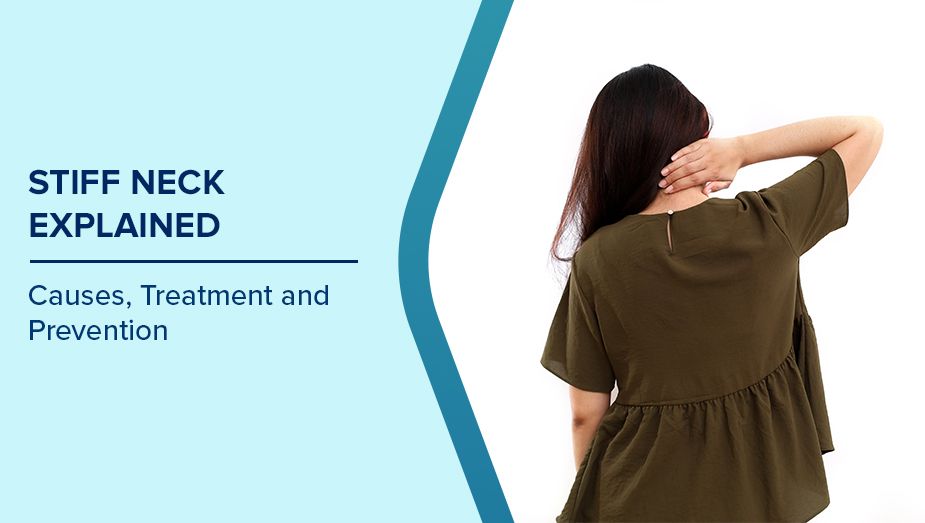
Have you ever woken up and realised you can barely turn your head? That uncomfortable stiffness and pain could be a stiff neck. It usually causes difficulty moving the neck, especially when trying to turn it sideways. In most cases, a stiff neck is mild and can be managed with simple home remedies. However, if the pain persists or becomes severe, it may require proper treatment. In this blog, you’ll learn about the common causes of a stiff neck, ways to relieve discomfort at home, and practical tips to prevent it from happening again. Let’s dive in.
What are the Common Causes of Stiff Neck?
A stiff neck rarely happens without a reason. In most cases, it develops from daily habits, posture issues, or lifestyle factors that strain the neck muscles. At times, it may also indicate an underlying condition affecting the cervical spine or nearby tissues. Below are some of the most common stiff neck causes:
1. Poor posture
Spending long hours hunched over your phone, computer, or desk can gradually strain the neck and shoulder muscles. This forward-leaning posture, often called “tech neck,” forces the muscles to support the head in an unnatural position for prolonged periods. Over time, it leads to tightness, pain, and restricted movement.
2. Muscle strain or overuse
Even small, repeated actions such as turning the head too quickly, carrying a heavy bag on one shoulder, or reading in bed for long periods can overwork the neck muscles. Continuous strain can cause microtears in the muscle fibres, resulting in inflammation and stiffness that may last several days.
3. Uncomfortable sleeping position
Sleeping with your neck bent awkwardly or using an unsupportive pillow can keep the muscles stretched or twisted for hours. As a result, you may wake up with stiffness, pain, or reduced range of motion. Sleeping on your stomach, in particular, forces the neck to turn sideways for long periods, which can aggravate the strain.
4. Stress and muscle tension
When you’re stressed, your body naturally tenses up, and this tension often affects the neck and shoulder region. Chronic stress can cause the muscles to stay tight even when you’re at rest, leading to soreness, stiffness, and a sensation of pressure at the back of the neck.
5. Injury or sudden impact
A sudden jerk or blow to the head and neck, such as in a car accident or sports injury, can stretch or tear muscles and ligaments. This condition, known as whiplash, often causes severe stiffness, pain, and sometimes headaches or dizziness. Prompt medical attention is important to rule out damage to deeper structures like nerves or vertebrae.
6. Poor ergonomics at work
Improper workstation setup such as a low monitor, non-adjustable chair, or lack of back and neck support can place continuous pressure on the cervical spine. Over time, this leads to muscular fatigue, stiffness, and even long-term postural problems. Adjusting the chair height and monitor level can significantly reduce this strain.
7. Cold or direct airflow exposure
Exposure to cold air from an air conditioner or fan directed at the neck can cause the muscles to contract reflexively. Prolonged exposure leads to stiffness and discomfort, often noticeable the next morning. This type of stiffness is temporary but can be avoided by keeping airflow indirect.
8. Dehydration
Neck muscles and the cushioning discs between the cervical vertebrae need adequate hydration to function properly. When the body is dehydrated, these tissues lose flexibility and become more prone to strain, contributing to soreness and stiffness.
9. Age-related wear and tear
With age, the discs and joints in the cervical spine begin to degenerate, reducing cushioning and flexibility. Conditions such as cervical spondylosis or osteoarthritis can develop, leading to stiffness, limited motion, and sometimes nerve compression, which causes pain radiating to the shoulders or arms.
10. Underlying medical conditions
In rare cases, neck stiffness can signal a more serious health issue. A herniated disc or nerve compression can cause persistent pain and numbness, while infections such as meningitis present with neck stiffness along with fever, headache, and nausea. Such symptoms require urgent medical care to prevent complications.
What Symptoms are Associated with a Stiff Neck?
A stiff neck can affect more than just the neck itself. In many cases, the discomfort extends to nearby muscles and joints, leading to a combination of symptoms that vary based on the cause and severity. Here is a list of the most common symptoms of stiff neck:
- Pain and tightness: A dull or sharp pain is often felt on one side of the neck, which may worsen when you try to move your head. The muscles may feel tight or sore to the touch, especially after waking up or sitting for long hours
- Limited range of motion: Turning, tilting, or bending your head can feel restricted or painful. Some people describe it as a pulling or locking sensation, making it difficult to perform daily activities such as driving or looking over the shoulder.
- Muscle spasms: The neck or shoulder muscles may tighten suddenly, causing sharp, shooting pain. These spasms are often the body’s natural way of protecting the area from further strain or injury.
- Tenderness or swelling: The muscles and tissues around the neck can become inflamed or swollen, making the area sensitive to even light pressure. This may also contribute to a heavy or throbbing feeling in the neck.
- Headache: Pain from a stiff neck can spread upward to the base of the skull and into the head, leading to tension-type headaches. These headaches are usually dull and constant rather than throbbing.
- Shoulder or upper back pain: Since the neck muscles connect to the upper back and shoulders, stiffness often radiates to these areas. You may feel a sense of tightness or fatigue extending across the shoulder blades.
- Fatigue or stiffness after rest: The discomfort can feel worse after remaining in the same position for too long, such as after waking up or sitting at a desk. Gentle movement often helps loosen the muscles temporarily.
- Numbness, tingling, or weakness: In cases involving nerve compression such as with a herniated disc or cervical spondylosis, you may notice tingling or weakness in the shoulders, arms, or fingers. These symptoms require medical assessment.
Tips to Relieve a Stiff Neck at Home
Most people experience relief from a stiff neck within a few days through simple self-care. Here are some home remedies that can help ease the discomfort and support recovery:
1. Apply heat or cold
For the first 24 hours, use a cold pack wrapped in a thin towel to reduce swelling and numb the pain. After that, switch to a warm compress or heating pad to relax the muscles and improve blood flow. Some people find alternating between the two helpful in easing both pain and stiffness.
2. Try gentle neck stretches
Controlled stretching exercises under supervision help loosen tight muscles and improve flexibility. Slowly tilt your head from side to side, turn it left and right, or roll your shoulders in circular motions. These small movements can help restore range of motion. Stop immediately if any stretch increases your pain.
3. Massage the affected area
Lightly massaging the sore spot can release muscle tension and encourage relaxation. Use your fingertips to apply gentle pressure in circular motions. You can also place a warm towel on the neck before massaging to improve comfort and soften tight muscles.
4. Improve your sitting posture
A stiff neck often worsens from poor posture, especially if you spend long hours at a desk or on your phone. Keep your screen at eye level, sit with your back straight, and take short breaks to stretch your neck and shoulders every hour
5. Adjust your sleeping setup
Sleeping in an awkward position can strain your neck further. Use a pillow that supports your neck’s natural curve and keeps your head aligned with your spine. Try to sleep on your back or side rather than your stomach, as this prevents twisting of the neck overnight.
6. Use pain-relief ointments
Over-the-counter topical creams or gels containing menthol or mild pain-relief agents can provide temporary relief by warming or cooling the area. Apply them gently over the affected muscles, following the instructions on the label.
If the stiffness doesn’t improve after a few days or worsens, it may require medical attention to rule out underlying causes such as a pinched nerve or muscle injury.
Medical Treatment for a Stiff Neck
If home remedies don’t provide relief or the pain becomes more severe, medical treatment may be needed. Treatment options may include:
Medications
Pain relievers such as nonsteroidal anti-inflammatory drugs may be prescribed to ease pain and reduce inflammation. In some cases, muscle relaxants are recommended for short-term use to relieve muscle spasms.
Physical therapy
A physiotherapist can design specific exercises to improve flexibility, strengthen neck muscles, and correct posture. They may also use heat therapy, ultrasound, or gentle manual techniques to relieve stiffness and restore normal movement.
Cervical collar support
For acute pain or injury-related stiffness, a soft cervical collar may be advised for a short period. It helps limit neck movement and supports the muscles while they heal. However, long-term use is not recommended as it may weaken the muscles.
Corticosteroid injections
In cases of severe muscle inflammation or nerve irritation, injections may be used to target pain directly at the affected site. This option is typically considered only when other treatments have not provided sufficient relief.
Treatment for underlying conditions
If the stiff neck is caused by conditions such as cervical spondylosis, arthritis, or a slipped disc, the doctor will focus on managing the root cause. This may include a combination of medication, physiotherapy, and lifestyle adjustments.
Most people recover well with early treatment and proper care. However, if you experience persistent pain, numbness, tingling, or weakness in your arms or shoulders, it’s important to seek prompt medical evaluation, as these symptoms may indicate a nerve-related issue.
How Can You Prevent a Stiff Neck?
A stiff neck often develops from daily habits that strain the muscles over time. Making small adjustments to how you sit, sleep, and move can significantly lower your risk of stiffness and pain. Here are some effective ways to prevent it:
- Maintain good posture: Keep your head aligned with your spine rather than leaning forward. When sitting at a desk, adjust your chair and computer screen so that your eyes are level with the top of the monitor. Relax your shoulders and avoid slouching, especially when working for long periods.
- Take regular movement breaks: Staying in one position for too long can cause your neck muscles to tighten. Every hour, take a short break to stand, stretch, or gently roll your shoulders. These small movements improve blood flow and prevent stiffness from setting in.
- Adjust your workstation: Ensure your desk, chair, and computer setup promote an upright sitting position. Using an ergonomic chair, keeping your keyboard close, and positioning your monitor at eye level can help reduce strain on the neck and upper back.
- Avoid looking down at your phone: Constantly bending your head to look at your phone or tablet puts extra pressure on your neck muscles. Try holding your device at eye level or taking frequent breaks from screen time.
- Choose a supportive pillow and mattress: Use a pillow that supports the natural curve of your neck without elevating your head too much. A medium-firm mattress is generally best for maintaining proper spinal alignment during sleep.
- Exercise regularly: Strengthening the muscles of your neck, shoulders, and upper back improves flexibility and posture. Gentle exercises, such as shoulder rolls and neck rotations, can help keep the muscles strong and prevent stiffness.
- Manage stress: Tension from stress often settles in the neck and shoulders. Activities such as deep breathing, yoga, or short relaxation breaks during the day can help release muscle tightness caused by stress.
Building these habits into your daily routine can go a long way in keeping your neck healthy and mobile.
Consult Today
A stiff neck that doesn’t ease with rest or keeps returning could be more than just muscle strain. Persistent discomfort may point to issues involving the spine, nerves, or posture that need medical attention. At Max Hospital, experienced orthopaedic and spine specialists can assess the cause, recommend suitable treatment, and help you regain comfortable, pain-free movement. Book a consultation today to get your neck evaluated and start addressing the problem before it worsens.
Frequently Asked Questions
Can a stiff neck be a sign of an underlying spine issue?
Yes. Sometimes, stiffness can be linked to problems such as cervical spondylosis or a slipped disc, especially if it’s accompanied by tingling, numbness, or pain radiating to the arms. A specialist can help determine if the cause is spine-related.
Why does my stiff neck keep coming back even after using home remedies?
Recurring stiffness often points to poor posture, weak neck muscles, or an improperly set-up workstation. In some cases, it may also suggest nerve compression or joint wear-and-tear that requires medical assessment.
Can dehydration or poor nutrition cause neck stiffness?
Yes. Dehydration affects muscle flexibility and joint lubrication, making stiffness more likely. Low intake of magnesium or calcium may also contribute to muscle tension or cramps.
Is it normal to have headaches along with a stiff neck?
Neck muscle tension can sometimes trigger tension-type headaches. However, if headaches are severe, frequent, or associated with nausea, dizziness, or fever, it’s best to consult a doctor to rule out other causes.
Can long-term neck stiffness lead to permanent damage?
Occasional stiffness isn’t harmful, but chronic or untreated stiffness can strain the muscles and joints, leading to reduced mobility or posture issues over time. Early treatment helps prevent such complications.
Are neck braces or collars safe to use without medical advice?
It’s best not to use a neck brace on your own. Prolonged or improper use can weaken neck muscles. A doctor should guide how long and when to use one, if needed.
Can eye strain or improper screen setup cause neck stiffness?
Yes. Constantly tilting your head or squinting at a screen can create tension in the neck and shoulder muscles. Adjusting your screen height, lighting, and posture can reduce this strain.
Can a stiff neck cause dizziness or balance problems?
Yes. In some cases, tension in the neck muscles or reduced blood flow from poor posture can make you feel slightly dizzy or off-balance. Persistent dizziness, however, needs medical evaluation to rule out other causes.
How can I sleep comfortably when my neck is stiff?
Sleeping on your back with a supportive pillow is usually best. Avoid sleeping on your stomach, as it twists the neck. You can also try placing a small rolled towel under your neck for extra support.
Can a stiff neck be related to jaw pain or tightness?
Yes. Muscle tension in the neck can sometimes affect nearby areas like the jaw and shoulders, especially if you clench your teeth or grind them at night. A dentist or doctor can help if this becomes frequent.
Written and Verified by:

Related Blogs


Dr. Ashish Jain In Orthopaedics & Joint Replacement
Nov 07 , 2020 | 1 min read
Blogs by Doctor


Most read Blogs


Related Blogs
Dr. Ashish Jain In Orthopaedics & Joint Replacement
Nov 07 , 2020 | 1 min read
Blogs by Doctor
Most read Blogs