 WhatsApp Us (24/7)
 +91 926 888 0303 (24/7)


To Book an Appointment
Call Us+91 926 888 0303World Spine Day 2025: Recognising Common Spine Disorders You Shouldn’t Ignore
By Dr Jitesh Manghwani in Spine Surgery
Jan 05 , 2026 | 4 min read
3

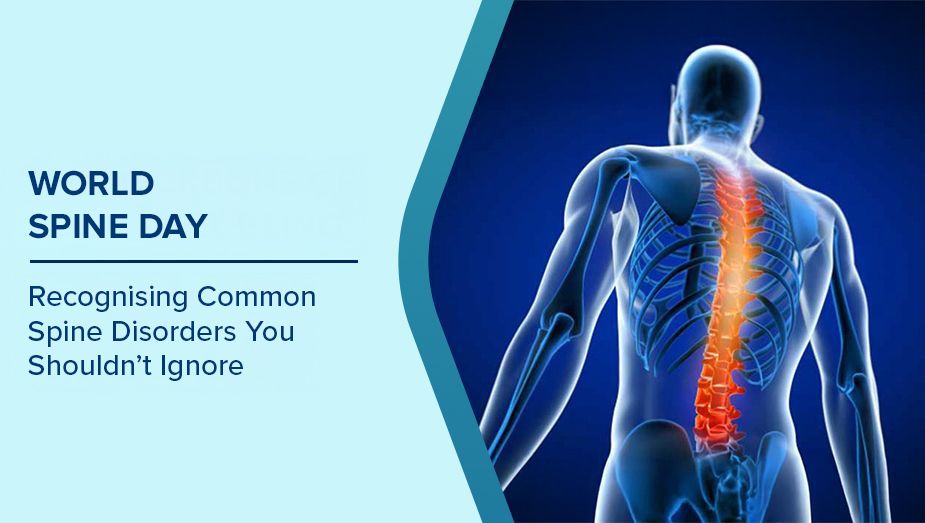
The spine is the central support structure of the body, responsible for posture, movement, and protecting the spinal cord. Yet, back and neck discomfort is a frequent complaint for people of all ages. On World Spine Day, it is important to raise awareness about common spine disorders, their symptoms, and early intervention strategies. Understanding these conditions helps maintain mobility, reduce pain, and improve quality of life.
Understanding the Spine and Its Importance
The human spine consists of 33 vertebrae, intervertebral discs, ligaments, and muscles. It is divided into four main regions:
- Cervical spine: Neck region, supporting head movement.
- Thoracic spine: Upper and mid-back, providing stability and protecting internal organs.
- Lumbar spine: Lower back, bearing most of the body’s weight.
- Sacral and coccygeal regions: Base of the spine, connecting to the pelvis.
A healthy spine ensures proper posture, efficient movement, and protection of the nervous system. When spinal structures are compromised, it can affect overall health, mobility, and daily activities.
Common Spine Disorders
Several conditions can affect the spine, ranging from mild discomfort to serious mobility challenges. Recognising early signs is critical for effective management.
Herniated or Slipped Disc
A herniated disc occurs when the soft inner portion of a spinal disc bulges through its outer layer. This can irritate nearby nerves and cause:
- Localised back or neck pain
- Radiating pain to the arms or legs
- Numbness or tingling in extremities
- Muscle weakness served by the affected nerve
Lifestyle factors, sudden strain, or degenerative changes in discs often contribute to this condition.
Spinal Stenosis
Spinal stenosis involves the narrowing of spaces within the spine, which puts pressure on the spinal cord and nerves. Common symptoms include:
- Gradual onset of pain in the back or neck
- Numbness, weakness, or tingling in limbs
- Difficulty walking or maintaining balance
- Relief when bending forward or sitting
It frequently affects the lumbar and cervical regions and can limit mobility if untreated.
Scoliosis
Scoliosis is a sideways curvature of the spine, often identified during adolescence but sometimes occurring in adults. Signs include:
- Uneven shoulders or hips
- Visible curve when bending forward
- Back pain or stiffness
- Difficulty breathing in severe cases
Early detection allows for non-surgical interventions such as braces and physical therapy.
Osteoarthritis of the Spine
Osteoarthritis leads to degeneration of cartilage and formation of bone spurs in spinal joints. Symptoms may include:
- Chronic back or neck stiffness
- Pain that worsens with activity
- Reduced flexibility
- Localised swelling or tenderness
Maintaining a healthy weight and regular movement can help manage symptoms.
Degenerative Disc Disease
Disc degeneration is a natural part of the ageing process, where intervertebral discs lose their flexibility and cushioning ability. Symptoms include:
- Persistent back or neck pain
- Pain radiating to arms or legs
- Occasional numbness or weakness
- Aggravation after prolonged sitting or standing
Conservative management often includes exercise, posture correction, and pain management strategies.
Kyphosis and Lordosis
These disorders involve abnormal curvatures of the spine:
- Kyphosis: Excessive outward curvature of the thoracic spine (hunchback)
- Lordosis: Excessive inward curvature of the lumbar spine (swayback)
Both conditions can cause back pain, postural issues, and reduced mobility if untreated.
Symptoms You Should Not Ignore
Certain signs indicate that spinal health may be compromised and warrant professional evaluation:
- Persistent back or neck pain lasting more than a few weeks
- Pain radiating to arms, legs, or buttocks
- Numbness, tingling, or weakness in limbs
- Difficulty walking, maintaining balance, or controlling bladder and bowel
- Visible spinal deformities or sudden posture changes
Recognising these symptoms early allows timely intervention and prevents long-term complications.
Diagnosis of Spine Disorders
Healthcare providers identify spinal issues through medical history evaluation, physical examination, and diagnostic imaging.
- Physical assessment: Evaluates range of motion, strength, and nerve function
- X-rays: Reveal bone alignment, fractures, or deformities
- MRI and CT scans: Show precise images of discs, nerves, and soft tissue
- Electromyography (EMG): Tests nerve and muscle function
Accurate diagnosis guides effective treatment planning and reduces the risk of further damage.
Treatment Options
Treatment varies depending on the specific spine condition and severity:
Non-surgical Management
- Physical therapy: Exercises to boost strength, flexibility, and posture
- Pain management: Analgesics, anti-inflammatory medications, or nerve blocks
- Lifestyle modifications: Ergonomic adjustments, weight management, and activity modification
- Supportive devices: Braces or orthotic supports for posture correction
Surgical Interventions
Surgery is considered only in serious cases or when non-surgical treatments do not provide relief.
- Discectomy: Removal of a herniated disc portion
- Spinal fusion: Stabilises vertebrae to reduce pain and prevent further damage
- Laminectomy: Removes bone or tissue to relieve nerve pressure
- Corrective surgery: For severe scoliosis, kyphosis, or spinal deformities
Early consultation with a spine specialist ensures the most appropriate and safe intervention.
Prevention and Lifestyle Measures
Maintaining spinal health requires daily attention to posture, activity, and overall wellness:
- Ergonomic habits: Correct desk and chair setup, supportive mattress
- Regular exercise: Strengthens back, core, and leg muscles
- Healthy weight: Reduces strain on the spine
- Safe lifting techniques: Bend your knees, keeping your waist straight.
- Stretching routines: Maintain flexibility in the back and neck
- Avoid prolonged sitting: Take breaks to move and stretch
Small daily adjustments can significantly reduce the risk of spine disorders.
Impact on Daily Life
Spinal issues can affect both physical and emotional well-being:
- Limiting ability to work or perform household tasks
- Reducing participation in recreational activities
- Causing emotional stress or anxiety due to chronic pain
- Affecting sleep quality and overall energy levels
Understanding and addressing spinal health ensures a better quality of life and mobility.
Conclusion
World Spine Day is a reminder to prioritise spine health. Recognising common spine disorders early, seeking timely care, and practising preventive habits can prevent complications and preserve mobility. Your spine supports every aspect of daily life, so maintaining its health is crucial at every age.
Frequently Asked Questions
1. Can spinal disorders be completely cured without surgery?
Many spinal conditions can be effectively managed with physical therapy, lifestyle adjustments, and pain management, but some severe cases may require surgical intervention.
2. Is back pain always linked to spine disorders?
Not all back pain is due to spine disorders. Muscle strain, posture, and other medical conditions can also contribute to discomfort.
3. Can children develop serious spine conditions?
Yes, conditions like scoliosis, kyphosis, or congenital spinal deformities can appear in childhood and require early monitoring.
4. Do spine disorders affect mobility permanently?
With proper diagnosis, treatment, and lifestyle management, most people maintain good mobility. Untreated severe conditions may lead to lasting limitations.
5. How does posture influence spine health?
Poor posture increases strain on spinal muscles and discs, potentially causing pain and long-term structural issues.
Written and Verified by:

Related Blogs

Prof. (Dr). V.K.Jain In Neurosciences , Spine Surgery
Nov 07 , 2020 | 5 min read
Dr. Amit Gupta In Spine Surgery , Neurology
Nov 07 , 2020 | 2 min read
Blogs by Doctor
Back Pain in Youth: Poor Posture, Sedentary Lifestyle & Tech Spine
Dr Jitesh Manghwani In Spine Surgery
Aug 13 , 2025 | 2 min read
Spinal Cord Injury Day 2025: Awareness, Prevention and Pathways to Recovery
Dr Jitesh Manghwani In Spine Surgery
Sep 03 , 2025 | 1 min read
Most read Blogs


Related Blogs
Prof. (Dr). V.K.Jain In Neurosciences , Spine Surgery
Nov 07 , 2020 | 5 min read
Dr. Amit Gupta In Spine Surgery , Neurology
Nov 07 , 2020 | 2 min read
Blogs by Doctor
Back Pain in Youth: Poor Posture, Sedentary Lifestyle & Tech Spine
Dr Jitesh Manghwani In Spine Surgery
Aug 13 , 2025 | 2 min read
Spinal Cord Injury Day 2025: Awareness, Prevention and Pathways to Recovery
Dr Jitesh Manghwani In Spine Surgery
Sep 03 , 2025 | 1 min read
Most read Blogs