 WhatsApp Us (24/7)
 +91 926 888 0303 (24/7)


To Book an Appointment
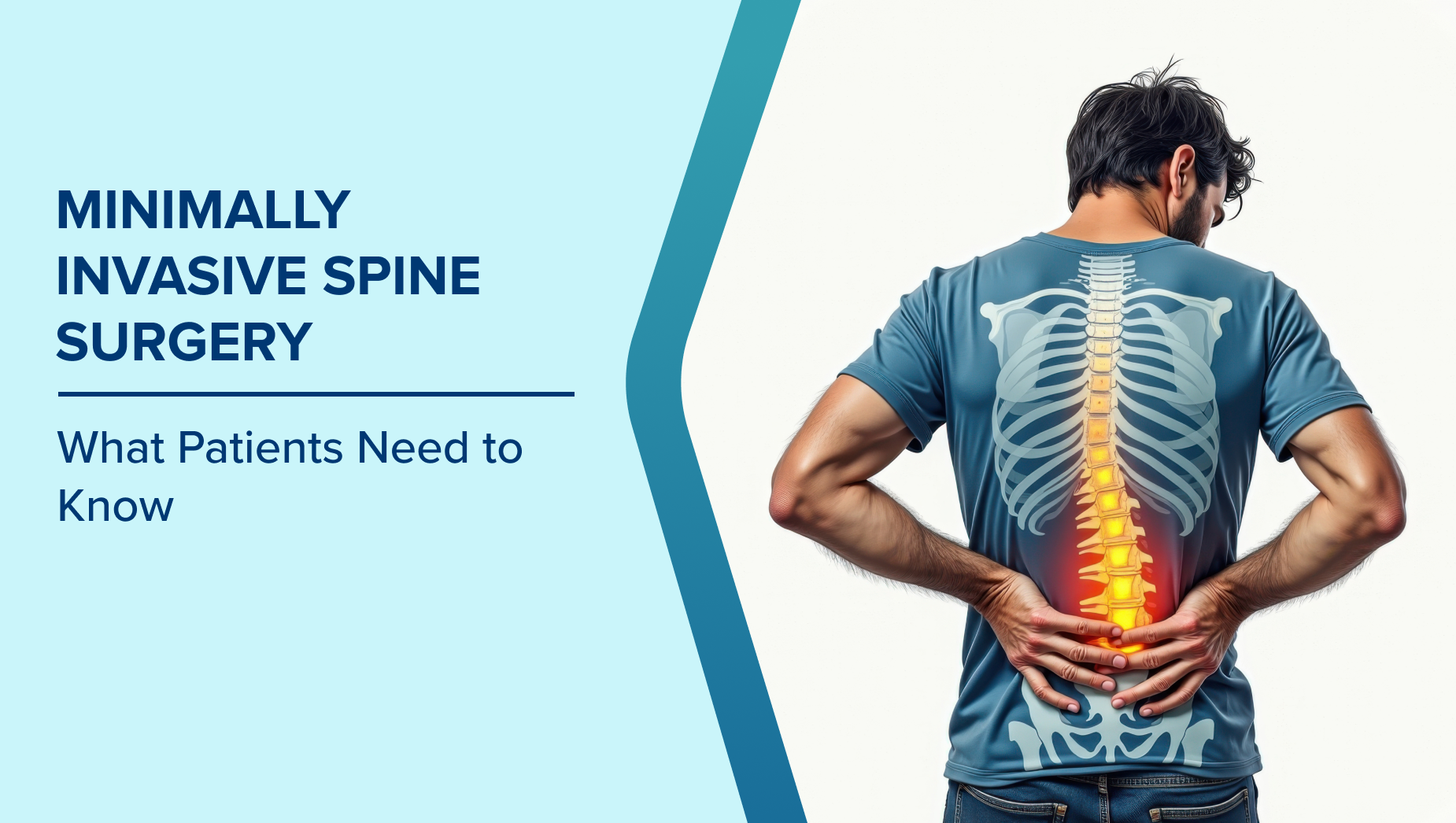
Call Us+91 926 888 0303What is Minimally Invasive Spine Surgery: Purpose, Advantages & Recovery
By Dr Aditya Banta in Spine Surgery
Jan 05 , 2026 | 3 min read

Back and neck pain are among the most common reasons people visit a doctor. In many cases, conservative treatments such as medication, physiotherapy, and lifestyle modifications help. However, when these approaches fail, spine surgery may be required.
Today, patients have a less invasive option known as minimally invasive spine surgery (MISS), which has transformed how spinal conditions are treated. This modern approach is designed to reduce pain, shorten recovery time, and minimise the impact on surrounding muscles and tissues.
What Is Minimally Invasive Spine Surgery?
Minimally invasive spine surgery is a surgical technique that uses small incisions and specialised instruments to treat spinal problems. Unlike traditional open surgery, which involves larger cuts and significant disruption of muscles, MISS relies on advanced imaging, precision tools, and sometimes robotic guidance to access the affected area with minimal tissue damage.
This approach allows surgeons to correct issues in the spine while reducing blood loss, hospital stay, and postoperative discomfort.
Conditions Treated with Minimally Invasive Spine Surgery
MISS is not suitable for every spinal condition, but it has been successfully used to manage many common problems, such as:
- Herniated or slipped discs
- Spinal stenosis (narrowing of the spinal canal)
- Spinal instability or spondylolisthesis
- Certain spinal deformities
- Degenerative disc disease
A specialist will determine if MISS is appropriate based on the severity of the condition, overall health, and treatment history.
How Minimally Invasive Surgery Differs from Traditional Spine Surgery
Traditional spine surgery usually requires large incisions and detachment of muscles to reach the affected area. This often leads to longer hospital stays and recovery times.
In contrast, minimally invasive spine surgery:
- Uses smaller incisions, often less than an inch
- Involves less muscle disruption and scarring
- Has a lower risk of infection
- Enables faster recovery and earlier return to normal activities
However, not all spinal problems can be addressed with MISS. Complex deformities, severe trauma, or certain advanced conditions may still require open surgery.
Advantages and Limitations of Minimally Invasive Spine Surgery
Advantages
- Reduced postoperative pain
- Quicker recovery period
- Minimal blood loss during surgery
- Smaller scars
- Shorter hospital stay, sometimes even same-day discharge
Limitations
- Not suitable for every patient or condition
- Requires advanced technology and highly skilled surgeons
- Potential risks, such as blood clots, nerve injury, or infection, though rare
Recovery After Minimally Invasive Spine Surgery
Recovery depends on the type of procedure and the patient’s overall health. Generally, patients are encouraged to walk soon after surgery and gradually increase activity. Physiotherapy often plays a key role in strengthening muscles and improving flexibility.
While most patients return to light work within a few weeks, complete recovery may take several months. Following medical advice closely is essential for the best outcome.
What Patients Should Consider Before Surgery
Before deciding on MISS, patients should:
- Discuss all treatment options, including non-surgical ones
- Ask about the surgeon’s experience with minimally invasive techniques
- Understand potential risks and benefits
- Consider lifestyle changes that may support long-term spine health
Conclusion
Minimally invasive spine surgery offers new hope for patients who need surgical treatment but want to avoid the challenges of traditional open surgery. With smaller incisions, faster recovery, and less disruption to daily life, it has become a preferred option for many. However, it may not be suitable for everyone, so consultation with a spine specialist is the key to making an informed decision.
Frequently Asked Questions
Is minimally invasive spine surgery safe for older adults?
Yes, in many cases, it is safe for older patients. Surgeons often recommend it because smaller incisions and shorter recovery times are particularly beneficial in elderly individuals.
How long does it take to return to work after minimally invasive spine surgery?
Many patients can return to light duties within 2–4 weeks, though heavy physical work may require more time depending on the complexity of the surgery.
Can lifestyle changes reduce the need for spine surgery?
Yes, maintaining a healthy weight, staying active, practising good posture, and avoiding smoking can lower the risk of spinal problems and sometimes delay or prevent the need for surgery.
What questions should I ask my surgeon before choosing minimally invasive spine surgery?
You may ask about the surgeon’s experience, success rates, risks, recovery expectations, and whether MISS is the best option for your specific condition.
Does minimally invasive spine surgery leave visible scars?
The incisions are very small, often less than an inch, so scarring is minimal and usually fades significantly over time.
Can I travel soon after minimally invasive spine surgery?
Short trips may be possible within a few weeks, but long-distance travel or flights should only be planned after your surgeon’s approval.
Is robotic technology used in minimally invasive spine surgery?
Yes, some hospitals use robotic guidance and advanced imaging to improve precision, though not all procedures require this technology.
Will I need to wear a brace after minimally invasive spine surgery?
In some cases, a brace may be recommended for extra support during the healing process, depending on the type of surgery performed.
Can minimally invasive spine surgery be performed on multiple spinal levels?
Yes, but it depends on the condition. Some patients with issues across several vertebrae may still need open surgery for complete correction.
Written and Verified by:

Related Blogs

Prof. (Dr). V.K.Jain In Neurosciences , Spine Surgery
Nov 07 , 2020 | 5 min read
Dr. Amit Gupta In Spine Surgery , Neurology
Nov 07 , 2020 | 2 min read
Blogs by Doctor
Desk Job Health Risks: How to Protect Joints & Posture in a Desk Job
Dr Aditya Banta In Spine Surgery
Sep 03 , 2025 | 5 min read
Most read Blogs


Related Blogs
Prof. (Dr). V.K.Jain In Neurosciences , Spine Surgery
Nov 07 , 2020 | 5 min read
Dr. Amit Gupta In Spine Surgery , Neurology
Nov 07 , 2020 | 2 min read
Blogs by Doctor
Desk Job Health Risks: How to Protect Joints & Posture in a Desk Job
Dr Aditya Banta In Spine Surgery
Sep 03 , 2025 | 5 min read
Most read Blogs