 WhatsApp Us (24/7)
 +91 926 888 0303 (24/7)


To Book an Appointment
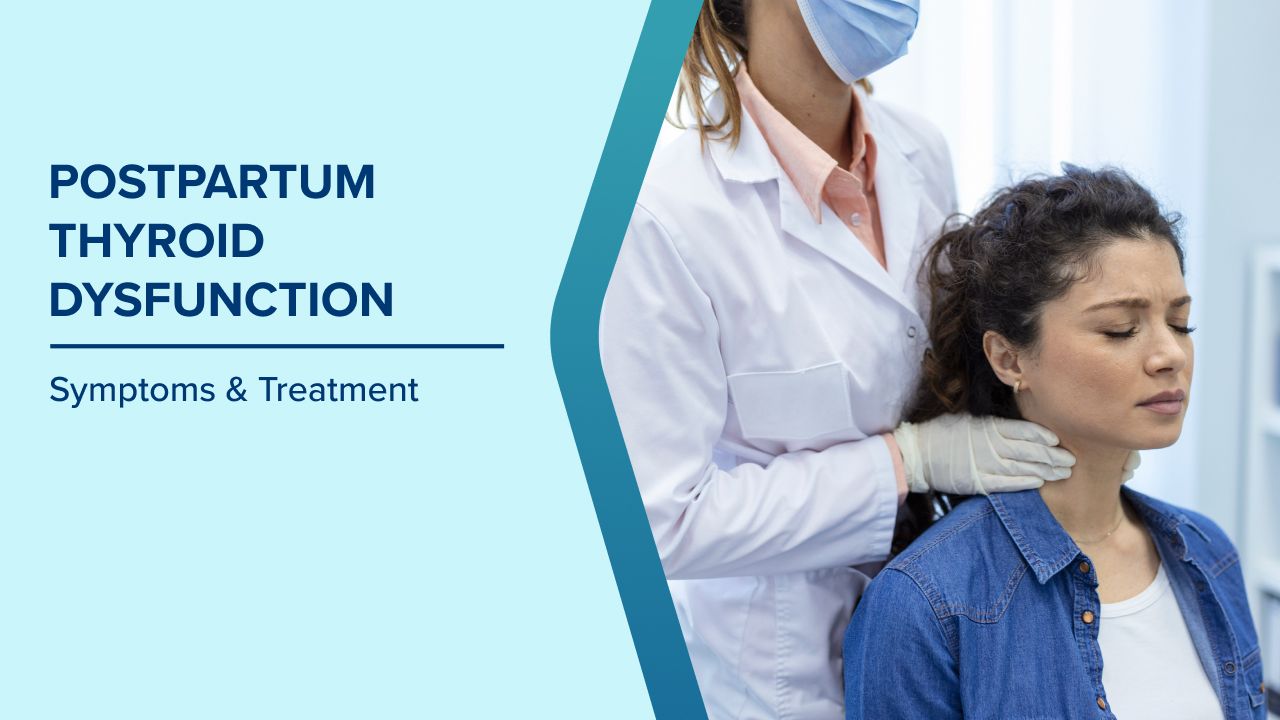
Call Us+91 926 888 0303Postpartum Thyroid Dysfunction: Symptoms & Treatment
By Dr. Emmy Grewal in Diabetes Educator , Endocrinology & Diabetes , Diabesity Clinic
Mar 25 , 2026

Bringing a baby home is a life-changing experience. Alongside joy and adjustment, a new mother’s body continues to undergo significant hormonal shifts. While much attention is given to recovery from delivery, breastfeeding, and emotional well-being, one important aspect often goes unnoticed: the thyroid gland.
Postpartum thyroid changes are more common than many realise. Yet the symptoms are frequently dismissed as normal exhaustion, emotional fluctuation, or the natural stress of caring for a newborn. Understanding these changes can help women seek timely evaluation and avoid prolonged discomfort.
What Is Postpartum Thyroid Dysfunction?
Postpartum thyroid dysfunction refers to temporary or persistent inflammation of the thyroid gland that occurs within the first year after childbirth. The most common form is postpartum thyroiditis, an autoimmune condition that affects some women after delivery.
During pregnancy, the immune system is relatively suppressed. After childbirth, immune activity rebounds. In certain women, this immune reactivation mistakenly targets the thyroid gland, leading to inflammation and altered hormone production.
The condition typically follows one of three patterns:
- A temporary hyperthyroid phase followed by a hypothyroid phase
- Only a hyperthyroid phase
- Only a hypothyroid phase
Some women recover fully within 12 months. Others may go on to develop permanent thyroid dysfunction.
Why Postpartum Thyroid Changes Are Often Missed
The challenge lies in symptom overlap.
New mothers commonly experience:
- Sleep deprivation
- Mood fluctuations
- Fatigue
- Hair shedding
- Weight changes
- Emotional sensitivity
These are also classic signs of thyroid imbalance. Because they appear expected during early motherhood, thyroid dysfunction may not be considered until symptoms become severe or persistent.
Early Hyperthyroid Phase: Subtle but Important Signs
In the initial phase, the inflamed thyroid may release excess thyroid hormone into the bloodstream. This can lead to temporary hyperthyroidism.
Symptoms may include:
- Unexplained anxiety or inner restlessness
- Palpitations or awareness of heartbeat
- Increased sweating
- Heat intolerance
- Tremors in the hands
- Irritability beyond typical emotional strain
- Difficulty sleeping despite exhaustion
These signs may be mislabelled as “new mother stress” or even early signs of postpartum anxiety.
Unlike classic hyperthyroidism seen in conditions such as Graves' disease, postpartum thyroiditis usually does not cause significant eye symptoms or marked thyroid enlargement. The changes can therefore be subtle and easy to overlook.
This hyperthyroid phase often lasts a few weeks to a few months.
The Hypothyroid Phase: When Fatigue Feels Endless
After the initial phase, many women enter a period of reduced thyroid hormone production.
Symptoms of hypothyroidism may include:
- Persistent fatigue that does not improve with rest
- Slowed thinking or “brain fog”
- Low mood or emotional numbness
- Increased sensitivity to cold
- Constipation
- Puffy face or mild swelling
- Unexplained weight gain
- Dry skin
- Hoarseness of voice
At this stage, symptoms may closely resemble postpartum depression. However, thyroid-related mood changes often occur alongside physical symptoms such as cold intolerance or constipation.
It is important to differentiate thyroid dysfunction from mood disorders because management approaches differ.
Postpartum Thyroid Changes vs Postpartum Depression
Emotional well-being after childbirth deserves careful attention. However, when mood changes are accompanied by physical signs of hormonal imbalance, thyroid evaluation becomes essential.
Clues that suggest thyroid involvement include:
- Coexisting heart rate changes
- Noticeable temperature sensitivity
- Changes in bowel pattern
- Gradual worsening fatigue over months
- Family history of autoimmune thyroid disease
Postpartum depression is a psychological condition, while thyroid dysfunction is a hormonal imbalance. Both may coexist, and one does not exclude the other. Accurate diagnosis ensures appropriate treatment.
Who Is at Higher Risk?
Certain women are more likely to develop postpartum thyroid dysfunction:
- Those with a personal or family history of autoimmune thyroid disease
- Women with positive thyroid peroxidase antibodies during pregnancy
- Those with type 1 diabetes
- Women who have had previous postpartum thyroiditis
- History of autoimmune disorders
Women who previously had conditions such as Hashimoto's thyroiditis are particularly vulnerable to thyroid fluctuations after childbirth.
When Should Testing Be Considered?
A thyroid function test may be advisable if:
- Symptoms persist beyond the expected recovery period
- Emotional symptoms are severe or worsening
- Palpitations are unexplained
- Fatigue feels disproportionate to sleep loss
- There is an unexplained weight change
Blood tests typically measure:
- Thyroid-stimulating hormone (TSH)
- Free T4
- Sometimes thyroid antibodies
Testing is simple and widely available. Early detection allows appropriate monitoring and intervention.
Does It Affect Breastfeeding?
In most cases, postpartum thyroid dysfunction does not directly prevent breastfeeding. However:
- Severe fatigue may affect feeding routines
- Untreated hypothyroidism may reduce overall energy levels
- Hyperthyroid symptoms may increase restlessness
If medication is required, many thyroid treatments are compatible with breastfeeding under medical supervision.
Is Treatment Always Required?
Not every case requires medication.
Hyperthyroid Phase
This phase is often mild and self-limiting. Beta blockers may be prescribed if palpitations or tremors are distressing. Anti-thyroid drugs are usually not required unless symptoms are significant.
Hypothyroid Phase
If symptoms are pronounced or TSH levels are significantly elevated, temporary thyroid hormone replacement may be recommended.
Some women recover completely within 6 to 12 months. Others may require long-term therapy if permanent hypothyroidism develops.
Regular follow-up testing is important, especially within the first year postpartum.
Long-Term Implications
While many cases resolve spontaneously, approximately 20 to 30 percent of women may develop permanent hypothyroidism later in life.
Women who experience postpartum thyroiditis should:
- Monitor thyroid function annually
- Inform healthcare providers in future pregnancies
- Be aware of recurring symptoms
Early recognition in subsequent pregnancies allows proactive monitoring.
Why Awareness Matters
Postpartum recovery is often centred around the baby’s health. A mother’s internal hormonal health may receive less attention once delivery is complete.
An unaddressed thyroid imbalance can affect:
- Emotional stability
- Energy levels
- Cognitive clarity
- Cardiovascular health
- Overall quality of life
When symptoms are attributed solely to stress or motherhood, women may continue struggling unnecessarily.
Listening to persistent bodily changes and seeking evaluation is not overreacting. It is proactive care.
When to Consult a Doctor
Seek medical advice if you experience:
- Persistent palpitations
- Severe mood shifts
- Extreme fatigue beyond expected sleep deprivation
- Progressive weight change
- Cold or heat intolerance that feels unusual
Early testing offers clarity and reassurance.
Conclusion
Postpartum thyroid changes are not rare, yet they remain under-recognised. Because symptoms overlap with common postpartum experiences, many women endure months of discomfort without evaluation.
Understanding the difference between expected adjustment and hormonal imbalance empowers new mothers to seek timely support. Postpartum recovery should include attention to thyroid health, especially when symptoms persist or intensify.
Motherhood demands energy, clarity, and resilience. Ensuring optimal thyroid function helps support both physical and emotional well-being during this transformative stage of life.
Frequently Asked Questions
1. Can postpartum thyroid problems occur even after a normal pregnancy?
Yes, even uncomplicated pregnancies can be followed by temporary thyroid dysfunction in otherwise healthy women.
2. Are thyroid antibody tests useful after delivery?
Thyroid antibody testing helps identify autoimmune risk and predict the likelihood of persistent dysfunction.
3. Can postpartum thyroid imbalance affect milk supply?
Significant untreated hypothyroidism may indirectly reduce milk production by affecting overall hormonal balance.
4. Is postpartum thyroiditis the same as long-term thyroid disease?
No, it is often temporary, though some women may later develop permanent hypothyroidism.
5. When should thyroid levels be rechecked after initial diagnosis?
Doctors usually recommend repeat testing every 6 to 8 weeks to monitor hormonal stability.
Written and Verified by:

Related Blogs


Dr. Emmy Grewal In Diabetes Educator , Endocrinology & Diabetes , Diabesity Clinic
Jul 26 , 2024 | 1 min read
Blogs by Doctor
How to Control Diabetes: Essential Self-Care Tips
Dr. Emmy Grewal In Diabetes Educator , Endocrinology & Diabetes , Diabesity Clinic
Jul 26 , 2024 | 1 min read

Blood Sugar Spikes After Eating: What’s Normal and When to See a Doctor
Dr. Emmy Grewal In Endocrinology & Diabetes
Jun 02 , 2025 | 10 min read
Most read Blogs


Related Blogs
Dr. Emmy Grewal In Diabetes Educator , Endocrinology & Diabetes , Diabesity Clinic
Jul 26 , 2024 | 1 min read
Blogs by Doctor
How to Control Diabetes: Essential Self-Care Tips
Dr. Emmy Grewal In Diabetes Educator , Endocrinology & Diabetes , Diabesity Clinic
Jul 26 , 2024 | 1 min read
Blood Sugar Spikes After Eating: What’s Normal and When to See a Doctor
Dr. Emmy Grewal In Endocrinology & Diabetes
Jun 02 , 2025 | 10 min read
Most read Blogs