 WhatsApp Us (24/7)
 +91 926 888 0303 (24/7)


To Book an Appointment
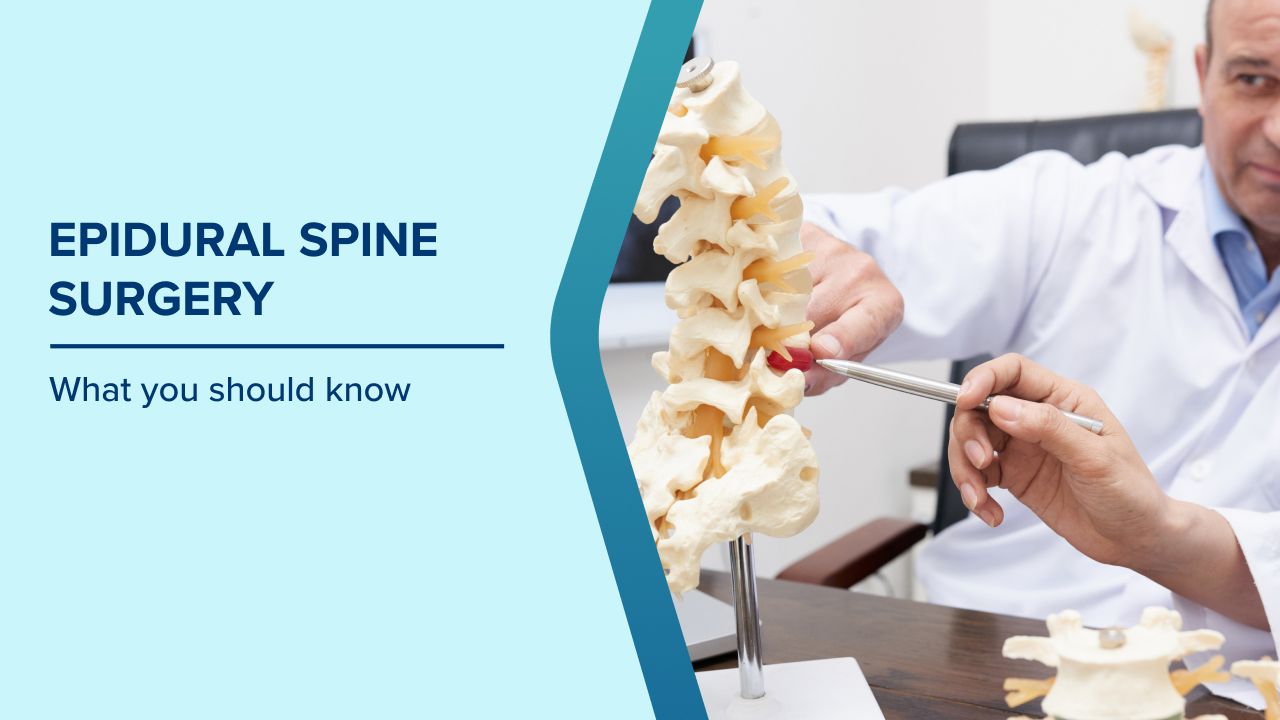
Call Us+91 926 888 0303Who Needs Epidural Spine Surgery: Myths & Benefits
By Dr Jitesh Manghwani in Spine Surgery
Feb 12 , 2026

Living with persistent back or leg pain can be physically and emotionally exhausting. Ongoing discomfort often affects sleep, mood, mobility, and confidence in everyday activities. Many people spend months trying medications, rest, physiotherapy, or lifestyle changes before hearing the term epidural spine surgery. The word “surgery” can feel alarming, but understanding what it truly involves often brings clarity and reassurance.
Epidural spine surgery is not a rushed decision. It is usually considered after a careful evaluation of symptoms, imaging findings, and response to conservative care. The aim is not just pain reduction, but helping individuals regain comfort, function, and confidence in daily life.
Understanding Epidural Spine Surgery
The spine houses delicate nerves that transmit signals between the brain and the body. When these nerves are compressed or inflamed, pain may radiate into the back, hips, or legs, sometimes accompanied by tingling or weakness.
Epidural spine surgery focuses on the epidural space, the area surrounding the spinal nerves. The purpose is to reduce nerve irritation, improve mobility, and allow the body to heal more effectively.
Who May Be Advised For Epidural Spine Surgery
Doctors may consider epidural spine surgery for individuals who experience:
- Recurring back pain despite treatment
- Pain travelling to the legs or buttocks
- Persistent sciatica-type discomfort
- Disc-related nerve pressure
- Stiffness or pain linked to spinal narrowing
This option is discussed only after conservative measures fail to provide sufficient relief.
What Makes Epidural Spine Surgery Different
Unlike traditional open spine surgeries, epidural spine procedures are minimally invasive. They involve smaller incisions, limited tissue disruption, and precise targeting of the affected nerve area.
The focus is always on doing only what is necessary, ensuring the procedure aligns with the patient’s symptoms and long-term spine health.
How the Procedure Is Generally Carried Out
Before the procedure, patients are guided through each step. The area is cleaned and numbed to ensure comfort.
The surgeon accesses the epidural space through a small opening and works carefully around the affected nerves with continuous monitoring for safety and precision.
What You May Feel After Epidural Spine Surgery
Some individuals experience relief soon after the procedure, while others notice gradual improvement over days or weeks. Mild soreness or stiffness near the treated area is common initially.
As inflammation reduces, mobility often improves steadily. Gentle movement is encouraged, while heavy lifting and sudden strain are avoided.
Read More: Dealing with Spine Fractures: When is Surgery Necessary?
Daily Life After Epidural Spine Surgery
Most people resume daily activities gradually. Maintaining posture, pacing activities, and gentle stretching support smoother recovery.
Improvement in symptoms often restores confidence and independence.
Myths Surrounding Epidural Spine Surgery
Common myths suggest permanent weakness or long-term restriction of movement. In reality, epidural spine procedures aim to restore movement and reduce nerve-related pain.
Benefits of Epidural Spine Surgery
- Better sleep due to reduced pain
- Greater ease while walking or climbing stairs
- Confidence to return to hobbies
- Improved mood
- Reduced dependence on long-term pain medication
Caring for Your Spine After Surgery
- Gradual strengthening exercises
- Maintaining proper posture
- Healthy body weight
- Avoiding sudden jerky movements
- Taking breaks during prolonged sitting
When to Contact Your Doctor After Surgery
- Increasing swelling
- Sudden worsening of pain
- New numbness or weakness
- Fever or prolonged unwell feeling
Read More: Back Pain and Spine Health: Busting the Myths
Conclusion
Epidural spine surgery is considered when conservative care is not enough. Understanding the procedure and recovery process helps individuals make informed and confident decisions.
FAQs
Will I need to stay in the hospital for a long time?
Hospital stay varies. Many patients do not require prolonged admission.
Can I travel after surgery?
Travel is usually possible after recovery begins, with breaks during long journeys.
Is it suitable for elderly patients?
Suitability depends on overall health and spinal condition, not age alone.
Will I need special equipment at home?
Most people do not. Supportive seating and proper bedding are usually sufficient.
Can it be repeated if pain returns?
In selected cases, repeat procedures may be considered based on specialist advice.
Written and Verified by:

Related Blogs

Prof. (Dr). V.K.Jain In Neurosciences , Spine Surgery
Nov 07 , 2020 | 5 min read
Dr. Amit Gupta In Spine Surgery , Neurology
Nov 07 , 2020 | 2 min read
Blogs by Doctor

Back Pain in Youth: Poor Posture, Sedentary Lifestyle & Tech Spine
Dr Jitesh Manghwani In Spine Surgery
Aug 13 , 2025 | 2 min read
Spinal Cord Injury Day 2025: Awareness, Prevention and Pathways to Recovery
Dr Jitesh Manghwani In Spine Surgery
Sep 03 , 2025 | 1 min read
Most read Blogs


Related Blogs
Prof. (Dr). V.K.Jain In Neurosciences , Spine Surgery
Nov 07 , 2020 | 5 min read
Dr. Amit Gupta In Spine Surgery , Neurology
Nov 07 , 2020 | 2 min read
Blogs by Doctor
Back Pain in Youth: Poor Posture, Sedentary Lifestyle & Tech Spine
Dr Jitesh Manghwani In Spine Surgery
Aug 13 , 2025 | 2 min read
Spinal Cord Injury Day 2025: Awareness, Prevention and Pathways to Recovery
Dr Jitesh Manghwani In Spine Surgery
Sep 03 , 2025 | 1 min read
Most read Blogs