 WhatsApp Us (24/7)
 +91 926 888 0303 (24/7)


To Book an Appointment
Call Us+91 926 888 0303Posture and Bone Health: How Everyday Habits Shape Your Skeleton and Long-Term Wellness
By Dr V.A. Senthil Kumar in Orthopaedics & Joint Replacement , Spine Surgery
Dec 10 , 2025 | 5 min read
1

Good posture is often seen as something linked only to appearance, but it plays a much deeper role in health. The way you sit, stand, walk, and even sleep has a direct influence on your bones, joints, and long-term wellness. Many people develop posture problems without realising it because the changes happen slowly. Over time, these habits can lead to chronic back pain, joint strain, reduced mobility and early bone stress.
This blog explores how posture shapes bone health, what causes posture issues, how to spot early signs of bone strain, and simple actions you can take every day to protect your spine and joints. The goal is to give you practical guidance based on real concerns people search for online, such as the causes of poor posture, the effects of poor posture, spine alignment problems, daily ergonomic habits, and preventive bone care.
Why Posture Matters for Bone Health
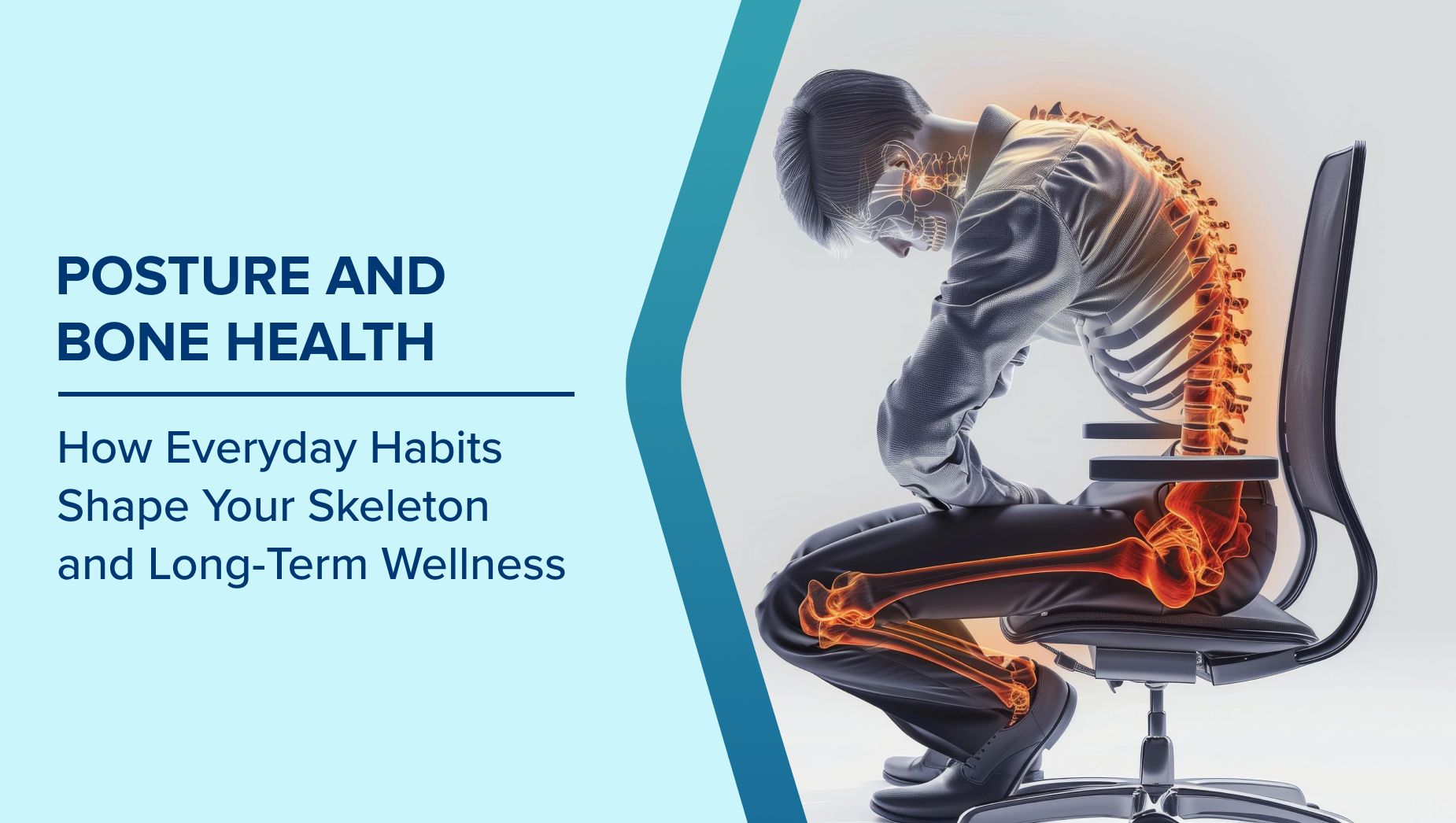
Posture is the natural alignment of your spine and joints. When alignment is good, your muscles distribute weight evenly, and your bones remain under minimal stress. When posture slips, certain bones and joints take on a heavier load than they should. Over the years, this leads to wear and tear, stiffness, inflammation and a higher risk of injury.
Healthy posture supports:
- Strong spine alignment
- Balanced joint movement
- Healthy muscle coordination
- Better breathing and circulation
- Reduced risk of chronic back and neck pain
Poor posture does the opposite by placing extra pressure on the spine, hips, knees and shoulders. If these habits continue for years, they can affect bone density, joint flexibility and long-term skeletal health.
Common Causes of Posture Problems
Posture issues can develop from everyday habits. Most people do not notice them until pain begins. Some of the most common causes include:
- Long Sitting Hours: Spending long hours at a desk or on the sofa can weaken the muscles around your spine. This increases the likelihood of slouching and rounding of the shoulders.
- Poor Desk or Laptop Setup: Many people use laptops on low tables or beds. This forces the neck to bend forward, creating tension in the cervical spine and upper back.
- Sedentary Lifestyle: Limited movement reduces muscle strength and flexibility. When muscles do not support the bones well, posture naturally worsens.
- Incorrect Sleeping Positions: Sleeping on very soft mattresses or using thick pillows can strain the neck and lower back.
- Heavy Bags and Wrong Lifting Techniques: Carrying heavy loads on one shoulder or bending incorrectly while lifting affects shoulder and spine alignment.
- Weak Core Muscles: The core stabilises your spine. If the muscles are weak, the body struggles to maintain a straight posture for long.
Early Signs of Bone and Joint Stress Caused by Poor Posture
Many people overlook early symptoms, assuming they are caused by fatigue. In reality, these are warning signs that posture is affecting bone health:
- Persistent back or neck pain
- Stiffness after sitting for short periods
- Frequent shoulder tightness
- Headaches triggered by neck tension
- Uneven hips or shoulders
- Early morning stiffness
- Lower back strain while standing
- Clicking or popping joints
These signs show that bones and joints are under more pressure than they are built for.
How Poor Posture Affects Bones and Joints Over Time
Bad posture affects more than appearance. It can change how your skeleton grows, ages and functions. This is why posture correction is a key part of bone health care.
- Increased Pressure on Spine Discs: Slouching compresses the discs between vertebrae. Over the years, this can cause disc bulges, early disc wear and nerve compression.
- Joint Misalignment: When joints do not move smoothly, cartilage wears down faster. This increases the risk of early arthritis and chronic joint pain.
- Muscle Imbalance: Poor posture causes some muscles to tighten and others to weaken. This imbalance puts additional load on your bones.
- Reduced Bone Strength: Bones grow stronger when they bear the right kind of pressure. Posture problems prevent healthy weight distribution, which may affect bone density in the long term.
- Limited Flexibility: Poor alignment shortens certain muscles and weakens others. This reduces overall mobility and makes bones prone to stress and injury.
Lifestyle Habits That Silently Damage Your Spine
Many common habits slowly affect posture and bone health without being obvious. Some examples include:
- Leaning forward while using mobile phones
- Sitting with legs crossed for long periods
- Working on the bed
- Wearing unsupportive footwear
- Lack of stretching or movement during the day
- Sleeping on the stomach
- Sudden heavy lifting without support
Small changes in these habits can protect the spine and prevent long-term bone issues.
Simple Daily Posture Fixes for Better Bone and Joint Health
You can improve posture and support bone health with simple daily steps. These are easy to follow and fit into any routine.
Practice the Neutral Spine Position
A neutral spine is when the head, shoulders and hips are aligned. You can practise this by standing against a wall and ensuring there is only a small natural curve in the lower back.
Strengthen Your Core
Strong core muscles stabilise your spine. Simple exercises like planks, pelvic tilts and seated leg lifts help improve posture.
Adjust Your Workstation
- Keep your screen at eye level
- Use a chair with back support
- Rest your feet flat on the floor
- Keep shoulders relaxed
This reduces strain on your neck and lower back.
Take Short Movement Breaks
Stand, stretch and walk for a few minutes every hour. Movement improves blood flow and reduces pressure on your spine.
Choose Supportive Footwear
Shoes that provide arch support help maintain a stable posture while standing or walking.
Strengthen the Upper Back
Exercises like rows or wall slides help open the chest and reduce slouching.
Use Proper Lifting Techniques
Always bend at the knees, not at the waist. Hold objects close to your body to protect your spine.
Long-Term Bone Care Tips
To maintain strong bones throughout life, combine posture care with a healthy lifestyle.
- Eat foods rich in calcium, vitamin D and magnesium
- Stay active with weight-bearing exercises
- Maintain a healthy weight
- Stay hydrated for joint lubrication
- Improve sleep habits with a firm mattress and correct pillow height
- Limit alcohol and smoking, as they weaken bone structure
These habits help bone density, muscle balance and joint function.
When to Seek Medical Help
Poor posture can cause symptoms that worsen with time. You should consult a doctor or physiotherapist if you notice:
- Persistent back or neck pain
- Numbness or tingling in arms or legs
- Frequent headaches linked to neck tension
- Difficulty maintaining a straight posture
- Breathing discomfort due to shoulder tightness
- Sharp pain while bending or lifting
Professional guidance can prevent long-term damage and help you regain healthy alignment.
Frequently Asked Questions
Can poor posture affect digestion?
Yes, slouching can compress the stomach and intestines, which may slow digestion and cause bloating.
Can posture problems start in childhood?
Children who spend long hours on screens or carry heavy school bags often develop early signs of poor posture.
Does sitting cross-legged damage the spine?
Occasional sitting cross-legged is fine, but doing it for long periods can tilt the pelvis and strain the lower back.
Can sleeping positions affect spine alignment?
Yes, sleeping on the stomach strains the neck and lower back. Side or back sleeping with proper support is healthier.
Is walking daily enough to fix posture?
Walking helps, but it does not correct muscle imbalances. Posture improvement needs stretching and strengthening exercises.
Can posture influence breathing?
Slouched posture restricts chest expansion. Correct posture supports deeper breathing.
How often should posture be checked?
A self-check once a week and a professional check once or twice a year help maintain alignment.
Written and Verified by:

Related Blogs


Dr. Ashish Jain In Orthopaedics & Joint Replacement
Nov 07 , 2020 | 1 min read
Blogs by Doctor
ACL Tears: How Arthroscopic Surgery is Revolutionising Recovery Time
Dr V.A. Senthil Kumar In Orthopaedics & Joint Replacement , Spine Surgery
Sep 29 , 2025 | 4 min read
Most read Blogs


Related Blogs
Dr. Ashish Jain In Orthopaedics & Joint Replacement
Nov 07 , 2020 | 1 min read
Blogs by Doctor
ACL Tears: How Arthroscopic Surgery is Revolutionising Recovery Time
Dr V.A. Senthil Kumar In Orthopaedics & Joint Replacement , Spine Surgery
Sep 29 , 2025 | 4 min read
Most read Blogs