 WhatsApp Us (24/7)
 +91 926 888 0303 (24/7)


To Book an Appointment
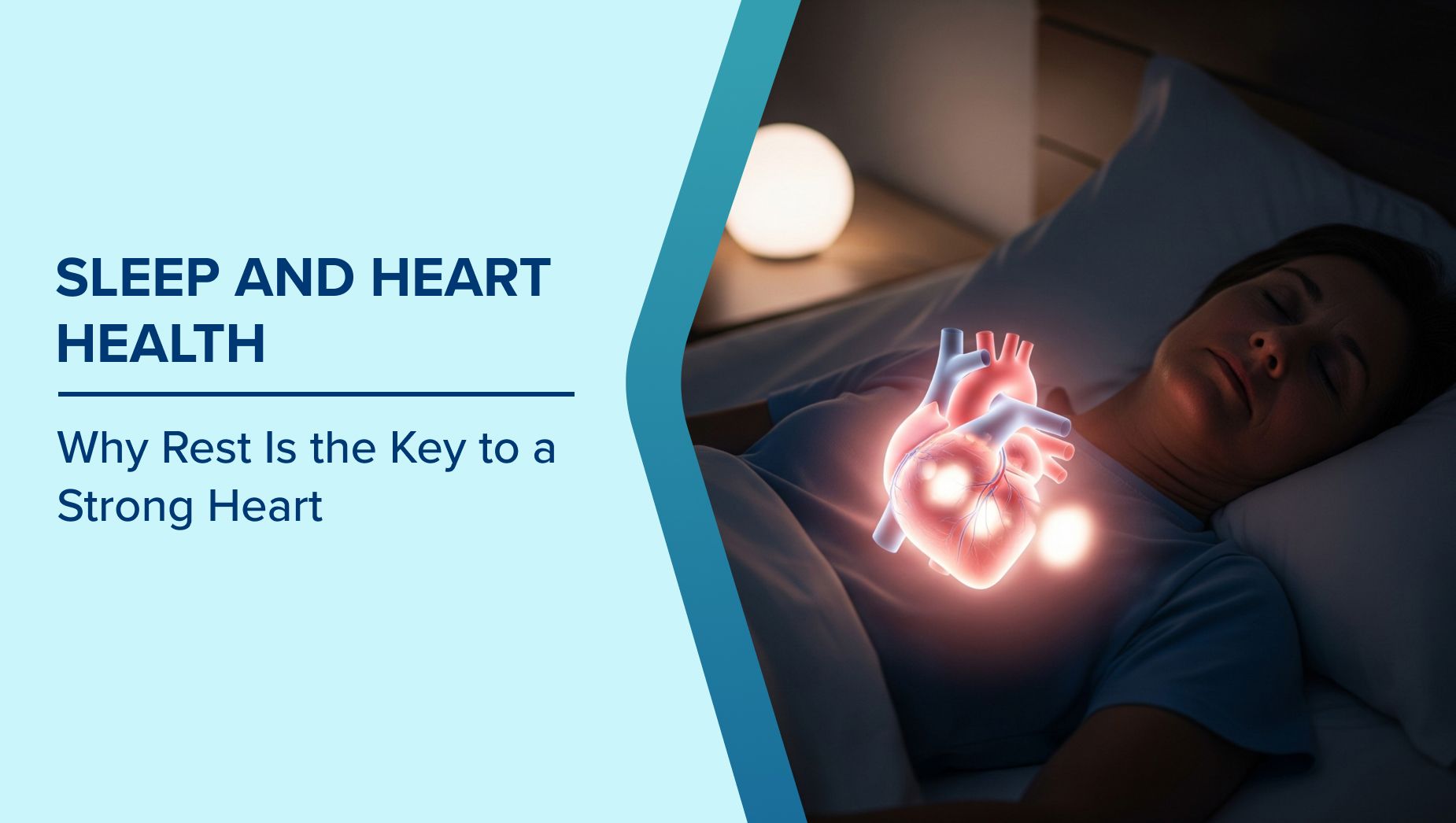
Call Us+91 926 888 0303Sleep and Heart Health: Why Rest Is the Key to a Strong Heart
By Dr. Manoj Luthra in Cardiac Sciences , Paediatric (Ped) Cardiac Surgery , Cardiac Surgery
Sep 24 , 2025 | 5 min read

Sleep is one of the most important pillars of heart health. When the body gets enough rest, blood pressure stays balanced, heart rate slows down, and stress hormones remain under control. On the other hand, poor or irregular sleep raises the risk of high blood pressure, weight gain, irregular heartbeat, and even long-term heart disease. Both the quality and duration of sleep decide how well the heart functions every day.
By understanding how sleep affects cardiovascular health, you can take simple steps to protect your heart and overall well-being.
Why Sleep Is Essential for a Healthy Heart
Your heart works around the clock, pumping blood and delivering oxygen to every part of the body. During sleep, the cardiovascular system finally gets the chance to recover from the strain of daytime activity. Blood pressure lowers, the heart rate becomes steadier, and blood vessels relax.
Sleep also helps maintain the right balance of hormones that influence appetite, stress, and blood sugar. Without enough rest, the body produces higher levels of stress hormones like cortisol, which forces the heart to work harder. Over time, this imbalance increases the risk of heart disease, stroke, and metabolic disorders.
What Happens to the Heart While You Sleep
Sleep is not a single stage but a series of cycles that play unique roles in heart health.
- Light Sleep: The body begins to relax, and the heart rate gradually slows down.
- Deep Sleep: This stage is most restorative. Blood pressure drops, and the cardiovascular system recovers from the day’s stress.
- REM Sleep: Dreaming occurs here. The heart rate and breathing may fluctuate, but REM sleep is crucial for maintaining emotional balance, which in turn supports the heart.
When these stages are cut short or interrupted, the body misses out on vital repair and recovery, leaving the heart under strain.
How Poor Sleep Affects Heart Health
Not sleeping well or sleeping for fewer hours than required can take a toll on your cardiovascular system. The main consequences include:
- High Blood Pressure: Healthy sleep naturally lowers blood pressure for several hours at night. Without it, blood pressure may stay consistently high, a leading risk factor for heart attack and stroke.
- Irregular Heart Rhythm: Lack of sleep can trigger arrhythmias or irregular heartbeat. In some people, this may present as skipped beats, while in others it can be a more serious condition needing medical care.
- Weight Gain and Obesity: Poor sleep affects hormones that regulate appetite. It increases hunger and cravings for high-calorie foods. This can lead to weight gain, which further strains the heart.
- Higher Stress Levels: Too little sleep leads to overproduction of stress hormones, which keep the body in a state of alertness. This increases heart rate, narrows blood vessels, and places pressure on the cardiovascular system.
- Inflammation: Sleep helps reduce inflammation in the body. Disturbed or insufficient sleep raises inflammatory markers that can damage blood vessels and increase the risk of atherosclerosis.
Sleep Disorders Linked to Heart Problems
- Sleep Apnea: This condition interrupts breathing during sleep, causing oxygen levels in the blood to fall. The heart has to work harder, increasing the risk of high blood pressure, heart failure, and sudden cardiac events.
- Insomnia: Chronic difficulty falling asleep or staying asleep increases fatigue and puts long-term stress on the cardiovascular system.
- Restless Legs Syndrome: The constant urge to move the legs at night can make deep sleep nearly impossible. Without restorative rest, the heart faces continuous pressure.
How Much Sleep Is Needed for Heart Health
Adults generally need 7 to 9 hours of sleep each night for optimal cardiovascular health. Less than 6 hours a night regularly is linked to higher risks of hypertension, obesity, and diabetes. Oversleeping, more than 10 hours regularly, can also be harmful.
Consistency is key. A routine sleep schedule supports the body’s internal clock and allows the cardiovascular system to reset properly.
Habits That Improve Sleep and Support Heart Health
- Stick to a Sleep Routine: Go to bed and wake up at the same time daily, including weekends. This helps the body maintain its natural rhythm.
- Create a Restful Environment: Keep your bedroom dark, quiet, and cool. Limit noise and avoid bright screens before bedtime.
- Limit Stimulants: Avoid caffeine, nicotine, and alcohol close to bedtime. They interfere with the body’s ability to relax and fall asleep.
- Stay Active During the Day: Regular exercise improves sleep quality and supports heart health. Gentle activities like walking or yoga are particularly helpful.
- Manage Stress Before Bed: Meditation, deep breathing, and light stretching calm the mind and reduce stress hormones, making it easier to drift into deep sleep.
Warning Signs That Sleep May Be Affecting Your Heart
Some symptoms should not be ignored. Watch for:
- Daytime sleepiness despite a full night’s rest
- Loud snoring or choking sounds during sleep
- Morning headaches or dry mouth
- Frequent high blood pressure readings
- Irregular heartbeat or chest discomfort at night
If these signs appear, it may be time to seek medical advice.
Napping and Heart Health
Short naps of 20 to 30 minutes can refresh the mind and body, but they should not replace a proper night’s sleep. Very long daytime naps can disrupt the natural sleep cycle and may indirectly affect nighttime rest, potentially impacting the heart.
Why Prioritising Sleep Protects Your Heart
Quality sleep is as important as eating healthy food and exercising regularly. Each night of deep rest lowers stress, balances blood pressure, and allows the heart to repair. Overlooking sleep can push the cardiovascular system into overdrive, raising the risk of chronic illness.
By making sleep a daily priority, you are not only improving energy levels but also giving your heart the chance to stay strong for years to come.
Conclusion
The connection between sleep and heart health is strong and undeniable. Poor sleep can increase blood pressure, raise stress hormones, trigger weight gain, and disturb heart rhythm. Quality sleep, on the other hand, allows the cardiovascular system to reset, repair, and function at its best.
By adopting healthier sleep habits, managing stress, and creating a consistent routine, you can protect both your sleep and your heart. Remember, every good night’s sleep is a step toward a stronger and healthier heart.
Frequently Asked Questions
Does the time I go to bed matter for heart health?
Yes, going to bed very late often reduces total sleep time and disturbs the natural body clock. Early, consistent bedtimes improve sleep quality and support heart health.
Can sleeping with the lights on affect my heart?
Sleeping with lights on may interfere with melatonin production and disturb sleep cycles. Over time, this can add stress to the cardiovascular system.
Is broken sleep as harmful as short sleep?
Yes, frequent awakenings prevent the body from entering deep and restorative sleep stages. This increases stress levels and can negatively affect heart function.
Can food choices before bed influence sleep and heart health?
Absolutely. Heavy meals, caffeine, and sugary foods before bed may disturb sleep. Choosing light dinners with whole grains, fruits, or herbal teas supports both sleep and heart health.
Are women and men equally affected by poor sleep and heart risks?
Both men and women are at risk, but women may experience additional challenges such as hormonal changes during menopause, which can further disturb sleep and impact heart health.
Written and Verified by:

Related Blogs

Dr. Ritwick Raj Bhuyan In Cardiac Sciences , Cardiac Surgery (CTVS)
Nov 08 , 2020 | 2 min read

Dr. Gaurav Minocha In Cardiac Sciences
Nov 08 , 2020 | 4 min read
Most read Blogs


Related Blogs
Dr. Ritwick Raj Bhuyan In Cardiac Sciences , Cardiac Surgery (CTVS)
Nov 08 , 2020 | 2 min read
Dr. Gaurav Minocha In Cardiac Sciences
Nov 08 , 2020 | 4 min read
Most read Blogs