 WhatsApp Us (24/7)
 +91 926 888 0303 (24/7)


To Book an Appointment
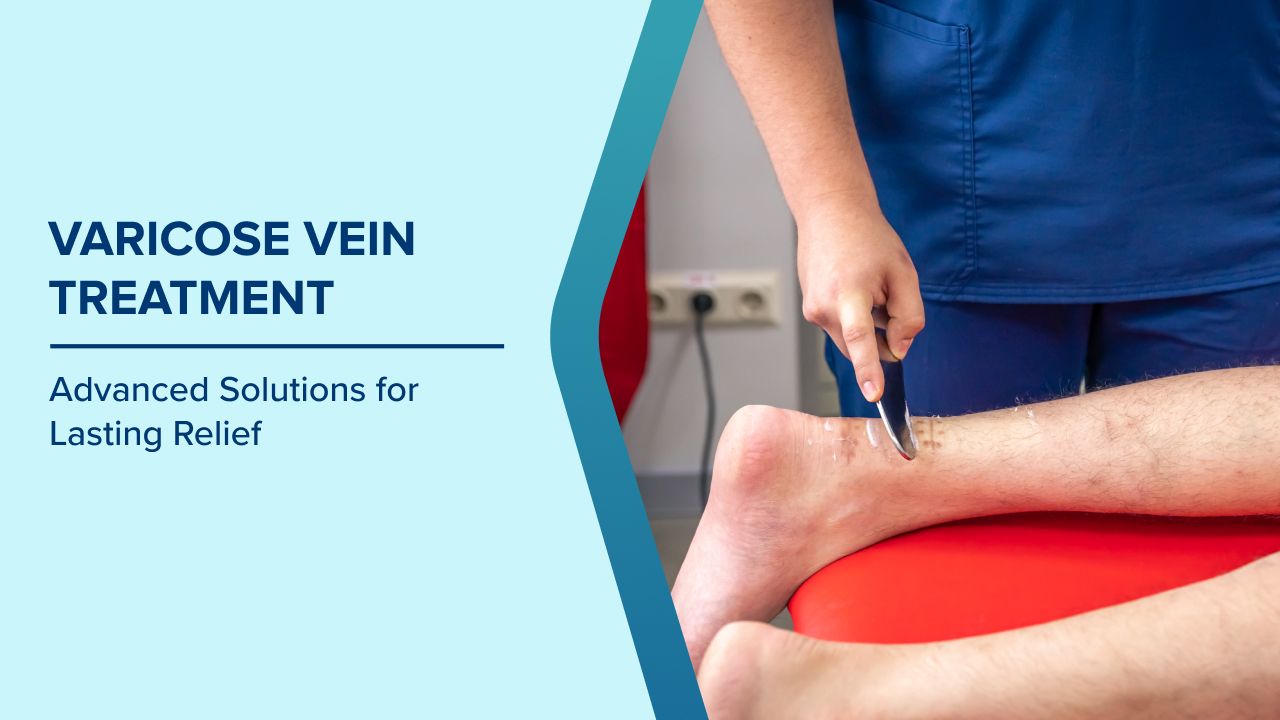
Call Us+91 926 888 0303Why Varicose Veins Worsen Over Time: Treatment & Recovery
By Dr Saurabh Kumar Rai in Interventional Radiology
Feb 12 , 2026

Varicose veins are often brushed aside as a cosmetic concern, something to be hidden under clothing or ignored until discomfort becomes unbearable. In reality, they are a sign that the veins in the legs are struggling to return blood to the heart efficiently. Over time, this strain can affect daily comfort, work performance, sleep, and overall quality of life.
At Max Hospital, Dehradun, varicose vein treatment has moved far beyond painful surgeries and long hospital stays. Today, patients have access to advanced, minimally invasive procedures that focus on comfort, faster recovery, and lasting relief.
Understanding Varicose Veins Beyond Appearance
Varicose veins develop when the valves inside leg veins weaken. These valves normally keep blood flowing upward. When they fail, blood pools in the veins, causing them to swell, twist, and become visible under the skin.
What many people do not realise is that varicose veins often signal a functional problem rather than just a visual one. Ignoring them can lead to worsening symptoms and complications over time. Common early signs people overlook include:
- Heaviness or aching in the legs after standing or sitting for long hours
- Swelling around the ankles, especially in the evening
- Night cramps or restless legs
- Itching or skin irritation near visible veins
As the condition progresses, symptoms may worsen and begin to affect daily life.
Why Timely Treatment Makes A Real Difference
One of the most important shifts in modern vein care is the emphasis on early treatment. Varicose veins rarely improve on their own. Delaying care allows pressure within the veins to increase, which can lead to skin damage, pigmentation changes, ulcers, or blood clots. Timely treatment helps:
- Reduce pain and leg fatigue before they interfere with work or mobility
- Prevent skin changes that can be difficult to reverse
- Lower the risk of venous ulcers and infections
- Improve blood flow and long-term leg health
How Advanced Diagnostics Guide Personalised Treatment
Not all varicose veins are the same. Effective treatment begins with understanding which veins are affected and how blood flow is impaired. Modern vein evaluation includes:
- Detailed clinical assessment of symptoms and lifestyle factors
- Doppler ultrasound to map blood flow in leg veins
- Identification of faulty valves and vein segments
This imaging-based approach allows specialists to plan treatment with precision. It avoids unnecessary procedures and ensures that only the problematic veins are treated.
Modern Varicose Vein Treatments Available Today
Traditional vein stripping surgery required large cuts, general anaesthesia, and long recovery periods. Today, most patients can be treated through minimally invasive methods that are safer and more comfortable.
Endovenous Laser Treatment
This technique uses laser energy delivered through a thin fibre placed inside the affected vein. The heat seals the vein shut, allowing blood to reroute naturally through healthier veins. Benefits include:
- No large incisions or stitches
- Minimal discomfort during and after the procedure
- Same-day discharge in most cases
- Quick return to daily activities
Radiofrequency Ablation
Similar to laser treatment, radiofrequency ablation uses controlled heat to close faulty veins. It is gentle on surrounding tissues and highly effective for larger veins.
- Reduced post-procedure pain
- Faster healing compared to older surgical methods
- Excellent long-term results
Ultrasound Guided Foam Therapy
For smaller or residual veins, a special medical foam is injected under ultrasound guidance. The foam irritates the vein lining, leading to its gradual closure. This method is useful when:
- Veins are not suitable for heat-based treatment
- Patients prefer a non-thermal option
- Additional veins need treatment after primary procedures
VenaSeal Treatment
VenaSeal is an advanced, non-thermal treatment that uses a specially formulated medical adhesive to seal the affected vein. Delivered through a small catheter under ultrasound guidance, the adhesive permanently closes the vein, allowing blood to reroute to healthy veins. This modern option is ideal for patients seeking minimal intervention. Key advantages include:
- No heat, injections of foam, or tumescent anaesthesia
- Little to no discomfort during the procedure
- No need for compression stockings in most cases
- Immediate return to normal activities
- Excellent cosmetic and long-term results
Combined Treatment Approaches
In many cases, the best results come from combining techniques. Specialists at Max Hospital, Dehradun tailor treatment plans to vein anatomy, symptom severity, and patient lifestyle.
Comfort And Recovery Matter As Much As Results
One of the biggest concerns patients have is recovery time. Modern varicose vein procedures are designed to minimise disruption to daily life. Most patients experience:
- Walking within hours of treatment
- Minimal need for pain medication
- Return to work within a few days
- Gradual improvement in symptoms over weeks
Compression stockings may be advised for a short period to support healing and improve comfort.
How Advanced Treatment Improves Quality Of Life
Relief from varicose veins goes beyond physical comfort. Patients often report changes that affect emotional well-being and confidence. Improvements commonly include:
- Reduced leg heaviness and fatigue
- Better sleep due to fewer night cramps
- Increased ability to stand or walk for longer periods
- Improved confidence in wearing everyday clothing
By restoring proper blood flow, modern treatment supports long-term leg health rather than offering temporary relief.
Who Should Consider Advanced Varicose Vein Treatment
Varicose veins can affect people of all ages, though certain groups are more vulnerable. You may benefit from evaluation if you:
- Have a family history of vein problems
- Spend long hours standing or sitting
- Have experienced pregnancy-related vein changes
- Notice skin changes or persistent swelling in the legs
Seeking advice early allows for simpler treatment and better outcomes.
Why Choosing The Right Centre Matters
Successful varicose vein treatment depends on experience, technology, and a patient-focused approach. At Max Hospital, Dehradun, care is guided by:
- Specialists trained in advanced vein procedures
- Modern imaging and treatment equipment
- Individualised treatment planning
- Emphasis on safety and long-term outcomes
Patients benefit from coordinated care that prioritises comfort, clarity, and lasting results.
Lifestyle Guidance That Supports Long-Term Vein Health
Treatment works best when combined with healthy habits that support circulation. Helpful practices include:
- Regular walking or light exercise
- Avoiding prolonged sitting or standing without breaks
- Maintaining a healthy weight
- Elevating legs when resting
These steps help protect treated veins and reduce strain on healthy ones.
Emotional Reassurance For Patients And Families
Living with varicose veins can be frustrating, especially when symptoms interfere with routine life. Modern treatment offers not just physical relief but peace of mind. Knowing that care is:
- Minimally invasive
- Scientifically guided
- Focused on comfort and recovery
Looking Ahead With Healthier Legs
Advanced varicose vein treatment is about restoring normal blood flow, preserving leg health, and helping people stay active and independent. With modern techniques available at Max Hospital, Dehradun, patients no longer need to accept pain or limitations as part of daily life.
Early evaluation, personalised care, and modern technology together create outcomes that truly improve quality of life.
Frequently Asked Questions
How long does a varicose vein procedure usually take?
Most minimally invasive treatments are completed within one hour, depending on the number of veins treated.
Is hospital admission required for treatment?
In most cases, patients go home the same day after a short observation period.
Can varicose veins return after treatment?
Treated veins usually do not reopen. New veins may develop over time, which is why follow-up and lifestyle care are important.
Is treatment suitable for elderly patients?
Yes, minimally invasive procedures are often well-suited for older adults when properly evaluated.
When should I see a specialist for leg vein problems?
If you have persistent pain, swelling, skin changes, or visible veins that worsen over time, an evaluation is recommended.
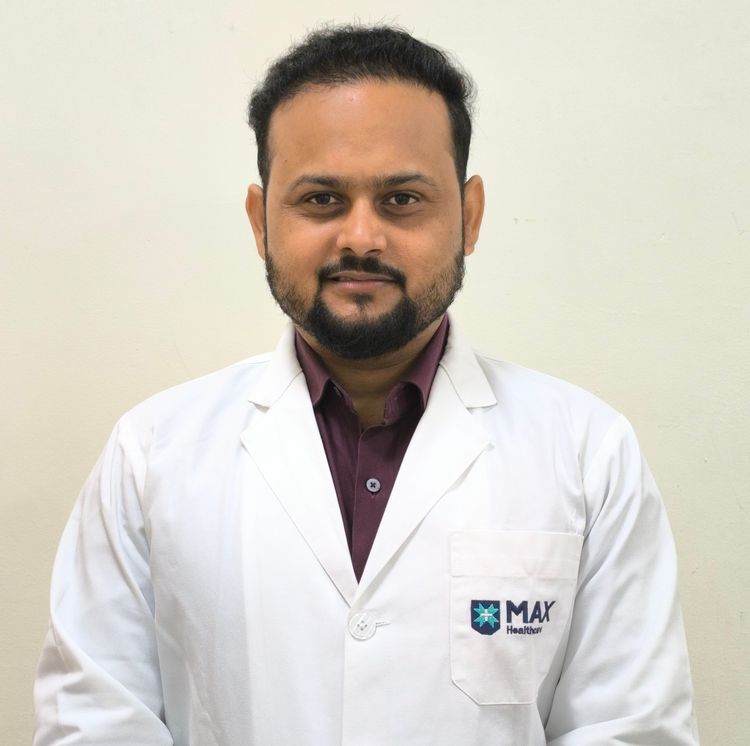
Written and Verified by:
Related Blogs

Dr. Vivek Saxena In Interventional Radiology
Nov 07 , 2020 | 11 min read

Dr. Vivek Saxena In Radiology , Interventional Radiology
Nov 07 , 2020 | 1 min read
Most read Blogs


Related Blogs
Dr. Vivek Saxena In Interventional Radiology
Nov 07 , 2020 | 11 min read
Dr. Vivek Saxena In Radiology , Interventional Radiology
Nov 07 , 2020 | 1 min read
Most read Blogs