 WhatsApp Us (24/7)
 +91 926 888 0303 (24/7)


To Book an Appointment
Call Us+91 926 888 0303Why Winter Weight Gain Affects Your Heart: Signs & Lifestyle Habits
By Dr. Rohit Goel in Cardiology
Jan 20 , 2026

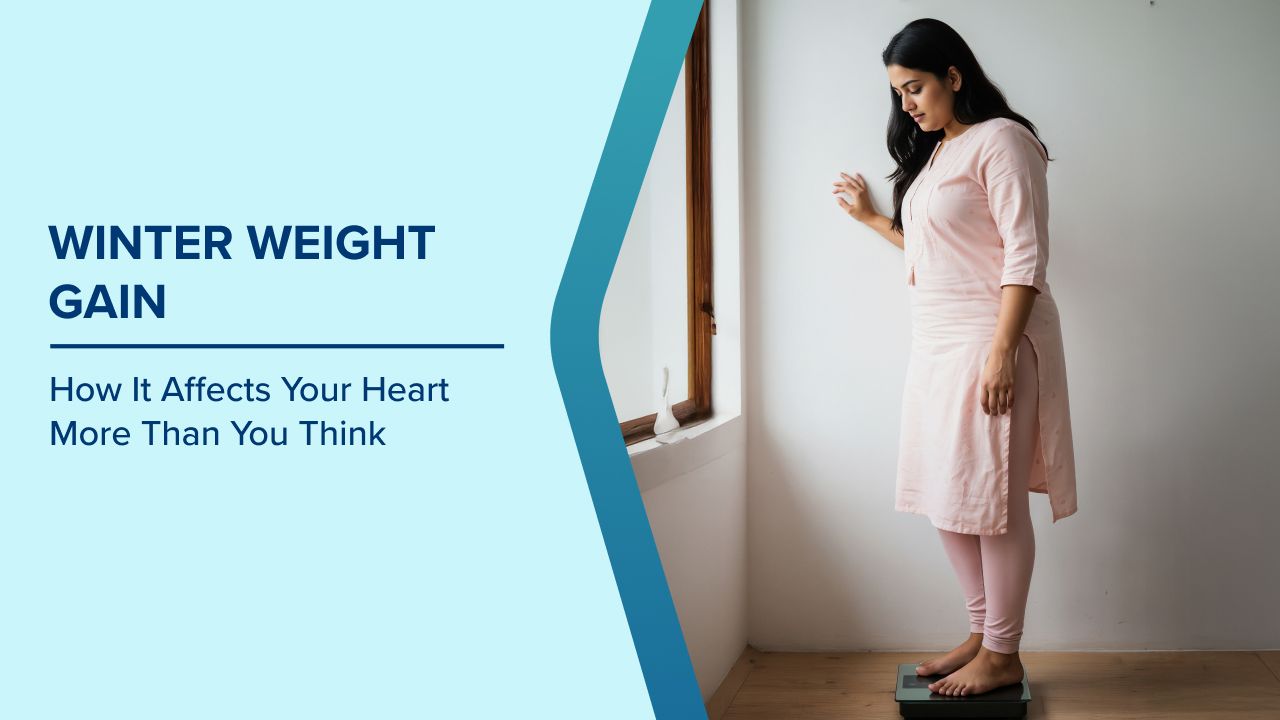
Winter often brings cosy evenings, festive indulgences, and a tendency to stay indoors. While these seasonal pleasures are enjoyable, they can quietly contribute to weight gain. For many people, even a few extra kilograms during the colder months can have significant implications for heart health. Understanding the connection between winter weight gain and cardiovascular risk is crucial for maintaining a healthy heart throughout the season.
Why Winter Weight Gain Happens
Several factors contribute to seasonal weight gain, especially during winter:
- Reduced physical activity: Shorter days and colder temperatures often encourage staying indoors. Daily routines become more sedentary, reducing overall energy expenditure.
- Comfort food cravings: Winter tends to bring cravings for high-calorie, sugary, and fatty foods. Seasonal treats and festive meals can add extra calories without people realising.
- Metabolism changes: The body naturally adjusts to colder weather by conserving energy. This can increase the likelihood of weight gain.
- Disrupted routines: Holidays and social gatherings may disturb normal meal timings and exercise schedules.
Even modest weight gain over winter can silently increase cardiovascular strain if not addressed early.
How Winter Weight Gain Affects the Heart
Excess weight, even if mild, can affect the heart in multiple ways:
Increased Cardiac Workload
Extra body weight forces the heart to pump more blood throughout the body, increasing workload and blood pressure over time.
Altered Lipid Levels
Seasonal indulgences may increase cholesterol and triglyceride levels, contributing to atherosclerosis and raising the risk of heart disease.
Blood Sugar Imbalance
Higher sugar intake may reduce insulin sensitivity and increase the risk of type 2 diabetes, a major cardiovascular risk factor.
Inflammation
Excess abdominal fat can trigger chronic inflammation, weakening blood vessels and heart function.
Metabolic Changes in Winter
During colder months, the body adapts in ways that may unintentionally promote weight gain:
- Slower metabolism: Reduced sunlight and activity can lower basal metabolic rate.
- Energy conservation: The body stores more calories as fat to preserve warmth.
- Hormonal shifts: Changes in melatonin and cortisol can affect appetite and fat storage.
Understanding these changes helps prevent seasonal weight gain.
Lifestyle Habits That Contribute to Winter Weight Gain
Certain winter habits increase the likelihood of heart-impacting weight gain:
Diet-Related Factors
- Frequent intake of pastries, chocolates, fried snacks, and creamy foods
- Overeating during holidays and social gatherings
- Increased consumption of sugary drinks and alcohol
Physical Inactivity
- Reduced daily movement due to staying indoors
- Cold weather discouraging outdoor exercise
Sedentary Behaviour
- Prolonged screen time or desk work
- Lack of movement reducing cardiovascular fitness
Signs That Winter Weight Gain May Be Affecting Your Heart
Watch for early warning signs:
- Unusual fatigue or breathlessness during mild activity
- Rapid heartbeat or palpitations
- Swelling in ankles or feet
- Rising blood pressure readings
- Increase in waist circumference
Early recognition allows timely lifestyle correction.
Practical Tips to Manage Winter Weight Gain and Protect Heart Health
You can enjoy winter while protecting your heart through mindful habits:
Nutrition Strategies
- Focus on vegetables, fruits, whole grains, and lean proteins
- Limit sweets, fried foods, and processed snacks
- Choose warming low-calorie meals such as soups
Stay Physically Active
- Practice indoor workouts like yoga or bodyweight training
- Take short walking breaks during the day
- Resume outdoor activity when weather permits
Monitor Your Health
- Track weight weekly
- Monitor blood pressure and heart rate
- Discuss concerns related to blood pressure with your doctor
Smart Lifestyle Adjustments
- Practise portion control during festivities
- Stay well hydrated
- Maintain consistent sleep schedules
These habits help protect your cardiovascular health .
Conclusion
Winter weight gain is a common yet overlooked risk factor for heart health. Reduced activity, higher calorie intake, and metabolic changes can silently increase cardiovascular strain. With early awareness and lifestyle adjustments, you can enjoy winter without compromising your heart.
Frequently Asked Questions
Can small winter weight gains really affect the heart?
Yes, even modest weight gain can increase cardiac workload and affect blood pressure.
Are indoor exercises effective for winter weight management?
Yes. Indoor workouts help maintain fitness and reduce sedentary behaviour.
Does drinking hot beverages in winter impact weight gain?
Unsweetened tea or coffee is fine, but sugary drinks add extra calories.
How can I prevent weight gain during holidays?
Control portions, plan meals mindfully, and remain physically active.
Is winter weight gain reversible for heart health?
Yes. Consistent lifestyle changes can reverse seasonal weight gain and lower cardiovascular risk.
Written and Verified by:

Related Blogs

Dr. Rajiv Agarwal In Cardiology
Jul 21 , 2021 | 1 min read

Dr. Balbir Singh In Cardiac Sciences , Cardiology
Dec 30 , 2021 | 1 min read
Blogs by Doctor

Most read Blogs


Related Blogs
Dr. Rajiv Agarwal In Cardiology
Jul 21 , 2021 | 1 min read
Dr. Balbir Singh In Cardiac Sciences , Cardiology
Dec 30 , 2021 | 1 min read
Blogs by Doctor
Most read Blogs