 WhatsApp Us (24/7)
 +91 926 888 0303 (24/7)


To Book an Appointment
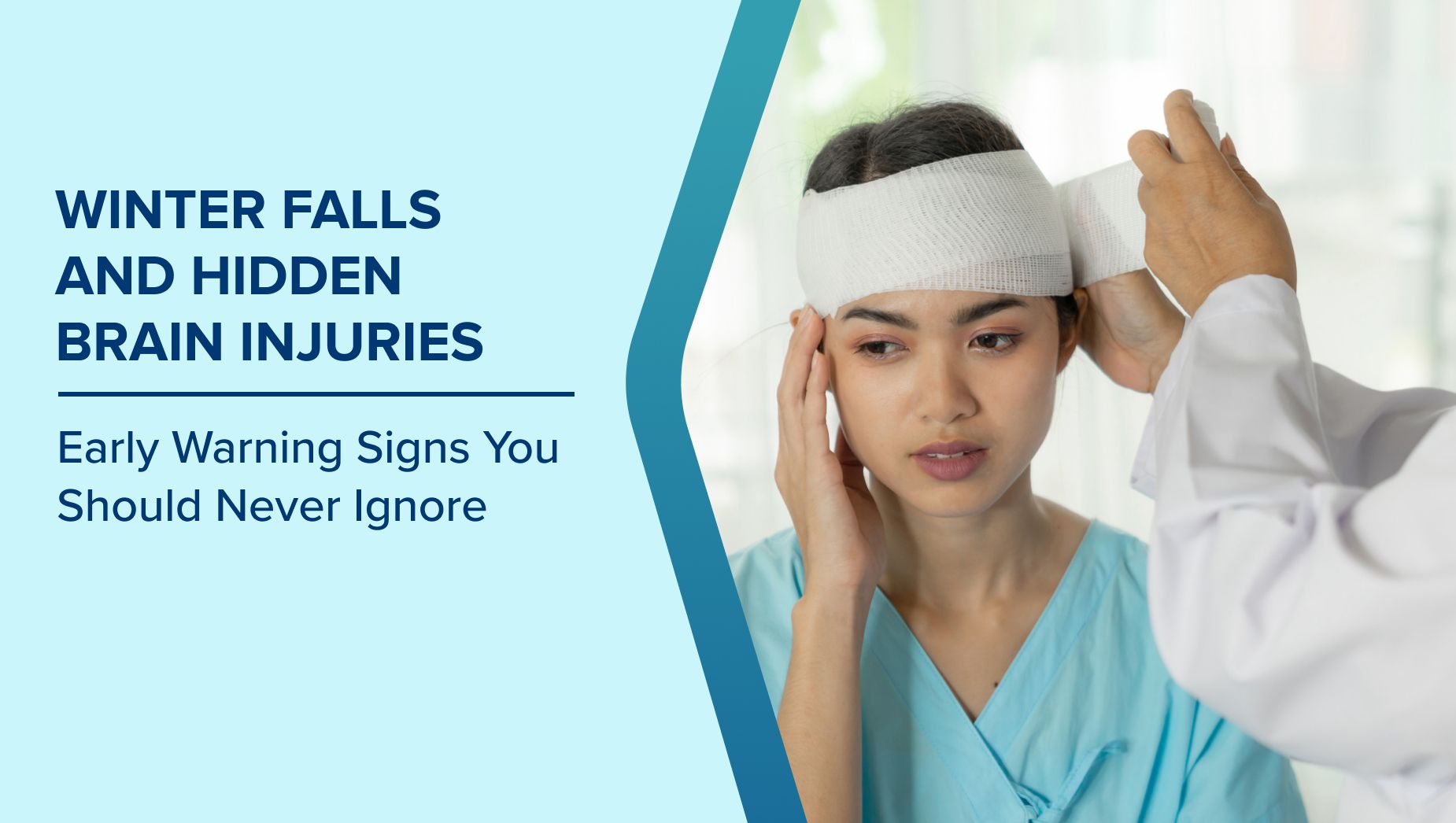
Call Us+91 926 888 0303Winter Falls and Hidden Brain Injuries: Early Warning Signs You Should Never Ignore
By Dr. (Prof) Sumit Sinha in Neurosurgery , Robotic Surgery
Dec 11 , 2025 | 4 min read

Cold mornings, low light, and slippery surfaces turn winter into a higher-risk season for unexpected falls. What looks like a harmless stumble can sometimes lead to a hidden brain injury that does not show symptoms right away. Many people brush off these incidents, thinking they only hurt their pride or bruised a knee. In reality, winter falls are one of the top causes of subtle concussions and more serious brain injuries during the colder months.
Recognising early warning signs can save lives. Understanding how the brain reacts after a fall, knowing when symptoms are serious, and taking simple preventive steps can protect you and your family through the winter season.
Why Winter Falls Are Rising
Every year, healthcare workers see a sharp rise in fall-related injuries during the winter period. People are often in a hurry, the daylight hours are shorter, and surfaces stay damp or uneven for longer. Lower temperatures also cause muscles to stiffen, which affects balance.
Many falls in winter do not look dramatic. Someone may slip while stepping out of a car, trip on a wet pavement, lose balance on a mild incline, or fall while carrying bags. These small incidents can still cause the head to jerk suddenly or hit a surface. Even without a direct impact, the brain can move inside the skull and cause damage.
The biggest concern is that people often ignore these injuries because the symptoms can be delayed or mild in the beginning.
Who Is Most at Risk During Colder Months
Anyone can fall, but certain groups face a higher risk of both falling and developing a hidden brain injury afterwards.
- Older adults: Age-related balance issues, weaker muscles, slower reflexes, and fragile blood vessels increase complications such as bleeding inside the brain.
- People with poor vision: Foggy glasses, low light, and uneven surfaces increase the risk of missteps.
- Individuals with chronic conditions: Health issues such as diabetes, neuropathy, heart problems, or low blood pressure can affect balance.
- People on certain medications: Sedatives, sleeping pills, anti-anxiety medicines, and some pain relievers can cause dizziness or slow reaction time.
- Workers and commuters: People who walk long distances, carry heavy bags, or travel during early morning hours are more likely to slip or lose balance.
How a Simple Slip Can Lead to a Hidden Brain Injury
Most brain injuries from falls do not come from major accidents. Even a quick slip can cause the head to snap backward or forward, shifting the brain inside the skull and damaging tiny blood vessels, nerves, or brain tissue.
Hidden brain injuries are concerning because:
- Symptoms may be delayed by hours or days.
- The person may look perfectly fine at first.
- There may be no visible injury.
- Mild confusion or headache may be mistaken for tiredness.
A hidden brain injury does not always mean danger, but the person must be monitored closely.
Warning Signs of Brain Injuries After a Fall
Everyone should know the early signs of a concussion or more serious brain injury. Symptoms may appear immediately or develop over days.
Common Early Symptoms
- Persistent headache
- Dizziness
- Nausea
- Feeling dazed or mentally slow
- Brief memory loss
- Tingling in hands or feet
- Difficulty concentrating
- Imbalance while walking
- Unexpected fatigue
Symptoms That Require Urgent Medical Attention
- Vomiting
- Severe worsening headache
- Uneven pupils
- Clear fluid leaking from the nose
- Slurred speech
- Difficulty waking the person
- Sudden confusion
- Vision changes
- New weakness in arms or legs
- Seizures
When to Seek Emergency Medical Help
Never ignore serious symptoms. Seek immediate medical help if:
- The person loses consciousness
- They struggle to stay awake
- Their behaviour is unusual
- They complain of worsening headache
- They feel nauseous with vomiting
- They cannot walk steadily
- They develop new confusion or agitation
Why Early Diagnosis Matters
Even mild concussions can affect brain function if not recognised early. Delayed treatment increases the risk of long-term problems such as:
- Memory issues
- Mood changes
- Difficulty concentrating
- Chronic headaches
- Sleep disturbance
Early evaluation helps doctors guide rest, activity limits, and warning signs to monitor—especially important for older adults.
Winter Habits That Reduce the Risk of Falls
Simple changes in routine can lower your chance of slipping during winter.
- Move slowly: Cold muscles stiffen, so give your body time to adjust.
- Keep hands free: Using handrails improves balance.
- Wear proper footwear: Shoes with firm grip reduce slipping.
- Strengthen legs: Simple exercises improve stability.
- Improve indoor lighting: Shorter days mean darker rooms.
- Stay hydrated: Dehydration can cause dizziness.
Practical Home and Outdoor Safety Tips
Here are simple steps to stay safe.
Inside the House
- Keep floors dry
- Secure loose rugs
- Ensure adequate hallway lighting
- Keep frequently used items within reach
- Avoid cluttered walking areas
Outdoors
- Walk slowly on damp or uneven surfaces
- Use railings whenever possible
- Choose well-lit paths
- Avoid carrying too many items
How Families Can Protect Older Adults
Supporting older relatives can reduce injuries. Encourage them to:
- Take slow, steady steps
- Wear supportive shoes
- Rest if they feel lightheaded
- Report any fall, even a minor one
- Get regular vision checks
- Review medicines with a doctor
Why Falls Without Head Impact Still Matter
A head injury can occur even without hitting the head. A sudden jolt can move the brain inside the skull, causing similar effects as direct impact.
This is why even falls on knees, shoulders, or back should not be ignored if symptoms appear later.
Healthy Winter Habits That Support Brain and Body Safety
- Maintain regular sleep
- Eat energy-supporting meals
- Drink enough water
- Stretch daily
- Stay active indoors
- Avoid rushing in the morning
- Check surroundings before moving quickly
Conclusion
Winter falls may seem harmless, but they can cause hidden brain injuries. Paying attention to warning signs and seeking timely care prevents complications.
Simple habits—moving slowly, good lighting, supportive footwear, hydration—significantly reduce risks.
Listen to your body's signals during winter to protect your brain and overall well-being.
Frequently Asked Questions
Can a person have a brain injury without hitting their head?
Yes. A sudden jolt can shift the brain inside the skull and cause injury without direct impact.
Why do brain injury symptoms appear days after a fall?
Slow swelling or delayed chemical changes in the brain can cause late symptoms.
Should a person sleep after a fall if they feel tired?
Light rest is fine, but someone should monitor them. If they are hard to wake or confused, seek immediate help.
Does low light in winter increase fall risk?
Yes. Dim lighting makes it harder to see uneven surfaces or obstacles.
Should I get a scan after every fall?
No. A scan is needed only if symptoms such as vomiting, severe headache, or confusion appear. A doctor will decide if it’s required.
Written and Verified by:

Related Blogs

Dr. Sanjeev Kumar Gupta In Neurosurgery , Neurosciences
Jun 30 , 2016 | 2 min read

Dr. Sonal Gupta In Neurosurgery , Neurosciences
Jul 20 , 2016 | 2 min read
Blogs by Doctor

Brain Tumor: Symptoms, Causes, and Types
Dr. (Prof) Sumit Sinha In Neurosurgery , Spine Surgery , Robotic Surgery
Sep 30 , 2024 | 4 min read
Most read Blogs


Related Blogs
Dr. Sanjeev Kumar Gupta In Neurosurgery , Neurosciences
Jun 30 , 2016 | 2 min read
Dr. Sonal Gupta In Neurosurgery , Neurosciences
Jul 20 , 2016 | 2 min read
Blogs by Doctor
Brain Tumor: Symptoms, Causes, and Types
Dr. (Prof) Sumit Sinha In Neurosurgery , Spine Surgery , Robotic Surgery
Sep 30 , 2024 | 4 min read
Most read Blogs