 WhatsApp Us (24/7)
 +91 926 888 0303 (24/7)


Top Canavan disease Doctors in India
To Book an Appointment
Call Us+91 926 888 0303Filters
Doctors Available

{"FirstAvailable":"2026-06-30 10:00 AM","FirstInHospital":"2026-06-30 10:00 AM","FirstVC":"","Hospital":{"nanavati-max-super-speciality-hospital-mumbai":{"FirstAvailable":"2026-06-30 10:00 AM","FirstInHospital":"2026-06-30 10:00 AM","FirstVC":""}}}

{"FirstAvailable":"2026-06-29 6:45 PM","FirstInHospital":"2026-06-29 6:45 PM","FirstVC":"","Hospital":{"max-super-speciality-hospital-dwarka":{"FirstAvailable":"2026-06-29 6:45 PM","FirstInHospital":"2026-06-29 6:45 PM","FirstVC":""}}}

{"FirstAvailable":"2026-06-30 11:00 PM","FirstInHospital":"2026-06-30 11:00 PM","FirstVC":"","Hospital":{"max-hospital-gurgaon":{"FirstAvailable":"2026-06-30 11:00 PM","FirstInHospital":"2026-06-30 11:00 PM","FirstVC":""}}}

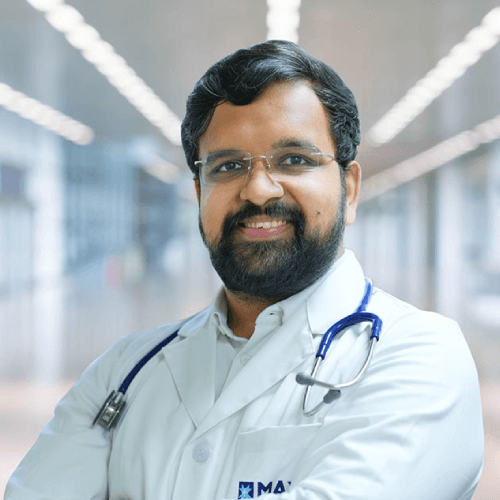
Dr Arunav Garg
Associate Consultant – Neurology
Neurology, Neurosciences
Gender: Male
Languages Spoken: Hindi, English
{"FirstAvailable":"2026-06-30 2:00 PM","FirstInHospital":"2026-07-06 4:00 PM","FirstVC":"2026-06-30 2:00 PM","Hospital":{"max-super-speciality-hospital-saket":{"FirstAvailable":"2026-06-30 2:00 PM","FirstInHospital":"2026-07-06 4:00 PM","FirstVC":"2026-06-30 2:00 PM"}}}

{"FirstAvailable":"2026-07-03 4:00 PM","FirstInHospital":"2026-07-03 4:00 PM","FirstVC":"","Hospital":{"max-super-speciality-hospital-patparganj":{"FirstAvailable":"2026-07-03 4:00 PM","FirstInHospital":"2026-07-03 4:00 PM","FirstVC":""}}}
Can't find what you are looking for?

Dr. Farha Khan
Associate Consultant - Paediatric Intensive Care Specialist
Paediatrics (Ped)
Gender: Female
Languages Spoken: Hindi, English

Dr. Bhavya Kukreja
Associate Consultant
Neonatology, Paediatrics (Ped)
Gender: Female
Languages Spoken: Hindi

Dr. Naresh Lal
Associate Consultant
Paediatrics (Ped), Paediatric (Ped) Intensive Care
Experience: 11+ Years
Gender: Male
{"FirstAvailable":"2026-06-30 11:00 PM","FirstInHospital":"2026-06-30 11:00 PM","FirstVC":"","Hospital":{"blk-max-super-speciality-hospital-delhi":{"FirstAvailable":"2026-06-30 11:00 PM","FirstInHospital":"2026-06-30 11:00 PM","FirstVC":""}}}

Dr. Bharat Rastogi
Associate consultant
Neurosciences
Experience: 9+ Years
Gender: Male
Languages Spoken: Hindi, English

Dr. Swati Kanodia
Visiting Consultant
Paediatrics (Ped), Paediatric (Ped) Endocrinology
Experience: 13+ Years
Gender: Female
{"FirstAvailable":"2026-06-30 2:30 PM","FirstInHospital":"2026-06-30 2:30 PM","FirstVC":"","Hospital":{"blk-max-super-speciality-hospital-delhi":{"FirstAvailable":"2026-06-30 2:30 PM","FirstInHospital":"2026-06-30 2:30 PM","FirstVC":""}}}
At Max Hospital India, expert care is available for a wide range of conditions, including Canavan disease. Our top specialists provide advanced treatments using cutting-edge technology, ensuring the best possible care for Canavan disease. Whether through video consultations or in-person visits, patients receive personalised treatment tailored to their needs. Explore our doctors' qualifications, experience, and areas of expertise. Our seamless online booking system makes scheduling appointments and checking OPD timings quick and hassle-free. Visit Max Hospital India for trusted, high-quality healthcare.