 WhatsApp Us (24/7)
 +91 926 888 0303 (24/7)


To Book an Appointment
Call Us+91 926 888 0303Blocked Heart Arteries: Myths, Reality & Prevention
By Dr. Rohit Goel in Cardiac Sciences , Cardiology
Apr 27 , 2026

Heart disease is one of the leading causes of death worldwide, and blocked heart arteries, also known as coronary artery disease (CAD), are a major contributor. With increasing awareness about healthy lifestyles, many people ask an important question: Can blocked heart arteries be reversed naturally?
While diet, exercise, and lifestyle changes play a crucial role in heart health, the idea of “naturally reversing” blocked arteries is often misunderstood. At Max Hospital, Gurugram, cardiologists emphasise separating myths from medical reality to ensure patients receive timely and appropriate treatment.
Understanding Blocked Heart Arteries
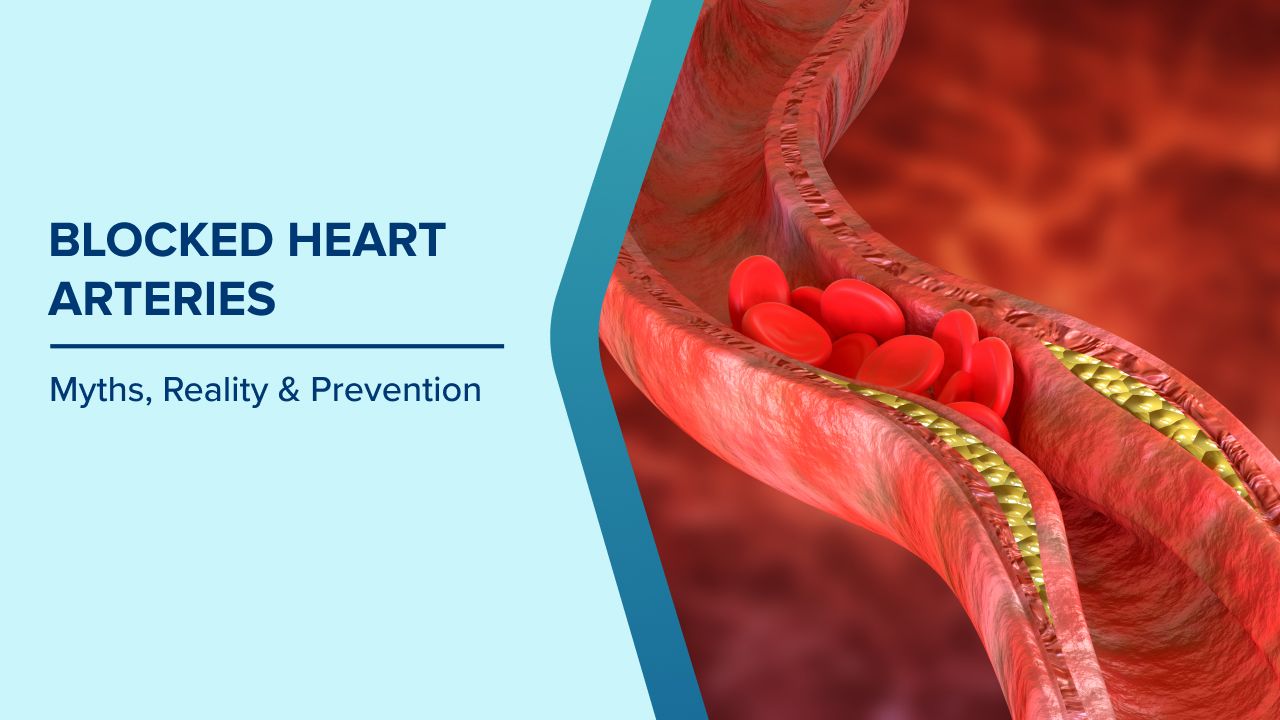
Blocked arteries occur when plaque, a mixture of cholesterol, fat, calcium, and inflammatory substances, builds up inside the coronary arteries. This process, called atherosclerosis, gradually narrows the arteries and restricts blood flow to the heart muscle.
Reduced blood flow can lead to symptoms such as:
- Chest pain or pressure (angina)
- Shortness of breath
- Fatigue during physical activity
- Heart palpitations
If the blockage becomes severe or ruptures a plaque, it may trigger a heart attack.
The Myth: Natural Remedies Can Completely Clear Arteries
Many articles, supplements, and social media posts claim that certain foods, herbs, or detox plans can “clean” or “flush out” artery blockages. Commonly promoted remedies include:
- Garlic supplements
- Lemon and honey mixtures
- Apple cider vinegar
- Herbal detox drinks
- Extreme diet plans
While some of these may support general health, there is no scientific evidence that they can completely remove plaque from arteries once significant blockage has formed. Relying solely on such remedies may delay necessary medical treatment and increase the risk of serious heart complications.
The Reality: Lifestyle Changes Can Slow or Partly Reverse Plaque
Although natural remedies alone cannot eliminate major blockages, healthy lifestyle changes can slow the progression of atherosclerosis and sometimes stabilise or slightly reduce plaque buildup.
Intensive lifestyle modification can improve artery health over time. Key changes include:
Heart-Healthy Diet
A balanced diet helps control cholesterol levels and reduce arterial inflammation.
Recommended dietary habits include:
- Eating more fruits and vegetables
- Choosing whole grains instead of refined grains
- Consuming healthy fats from nuts, seeds, and olive oil
- Limiting processed foods and trans fats
- Reducing salt and sugar intake
Diets such as the Mediterranean diet have been associated with improved cardiovascular health.
Regular Physical Activity
Exercise strengthens the heart and improves blood circulation. Regular physical activity can:
- Raise good cholesterol (HDL)
- Lower bad cholesterol (LDL)
- Reduce blood pressure
- Improve blood vessel function
Doctors generally recommend at least 150 minutes of moderate exercise per week.
Quitting Smoking
Smoking damages the lining of arteries and accelerates plaque buildup. Stopping smoking significantly improves cardiovascular health and reduces the risk of heart attacks.
Managing Stress
Chronic stress can contribute to high blood pressure and unhealthy lifestyle habits. Stress management techniques such as meditation, yoga, and relaxation exercises can support heart health.
Controlling Medical Conditions
Conditions like high cholesterol, diabetes, and hypertension increase the risk of artery blockage. Proper management with medications and lifestyle adjustments is essential to prevent progression.
When Medical Treatment Is Necessary?
In many cases, lifestyle changes alone are not sufficient to treat significant artery blockages. Medical treatment may be required to restore proper blood flow. At Max Hospital, Gurugram, cardiologists use advanced diagnostic tests such as:
- ECG and stress tests
- Echocardiography
- CT coronary angiography
- Coronary angiography
Depending on the severity of the blockage, treatment options may include:
Medications
Drugs to control cholesterol, blood pressure, and prevent clot formation.
Angioplasty and Stent Placement
A minimally invasive procedure where a balloon and stent are used to open narrowed arteries.
Coronary Artery Bypass Surgery (CABG)
In severe cases, surgery may be required to create a new pathway for blood to reach the heart muscle.
Can Arteries Truly Heal?
While major plaques usually do not disappear completely, they can become stable and less likely to rupture with proper treatment and lifestyle changes. Stabilising plaque significantly reduces the risk of heart attacks and improves long-term heart health.
This means that although arteries may not return to their original state, their function and safety can improve greatly with the right approach.
When to Consult a Doctor?
If you experience symptoms such as chest discomfort, breathlessness, unusual fatigue, or dizziness, it is important to seek medical evaluation promptly. Early diagnosis can significantly improve treatment outcomes.
At Max Hospital, Gurugram, experienced cardiologists provide comprehensive care, from preventive screening to advanced heart procedures, to help patients maintain optimal cardiovascular health.
Conclusion
The idea that blocked arteries can be completely reversed naturally is largely a myth. However, lifestyle changes play a powerful role in slowing disease progression, improving heart health, and preventing further blockages.
Combining healthy habits, medical guidance, and timely treatment offers the best chance of protecting the heart and preventing serious complications.
Written and Verified by:

Related Blogs

Dr. Ritwick Raj Bhuyan In Cardiac Sciences , Cardiac Surgery (CTVS)
Nov 08 , 2020 | 2 min read

Dr. Gaurav Minocha In Cardiac Sciences
Nov 08 , 2020 | 4 min read
Blogs by Doctor
Most read Blogs


Related Blogs
Dr. Ritwick Raj Bhuyan In Cardiac Sciences , Cardiac Surgery (CTVS)
Nov 08 , 2020 | 2 min read
Dr. Gaurav Minocha In Cardiac Sciences
Nov 08 , 2020 | 4 min read
Blogs by Doctor
Most read Blogs