 WhatsApp Us (24/7)
 +91 926 888 0303 (24/7)


To Book an Appointment
Call Us+91 926 888 0303Carotid Atherosclerosis Disease: Symptoms, Causes & Prevention Tips
By Dr. Arvind Makker in Cardiac Sciences , Cardiac Surgery (CTVS) , Vascular Surgery
Aug 19 , 2025 | 3 min read

Carotid atherosclerosis is no longer a disease that is confined only to elderly people. It is increasingly being seen in individuals in their 40s and 50s, making this an emerging threat to vascular health overall. It occurs silently as fatty deposits, or plaque, form within the carotid artery which is the main blood supply to the brain. If not treated, this can lead to a stroke, which is one of the leading causes of death and disability around the world.
Understanding its warning signs, causes, and preventive measures can be life-saving.
What is Carotid Atherosclerosis?
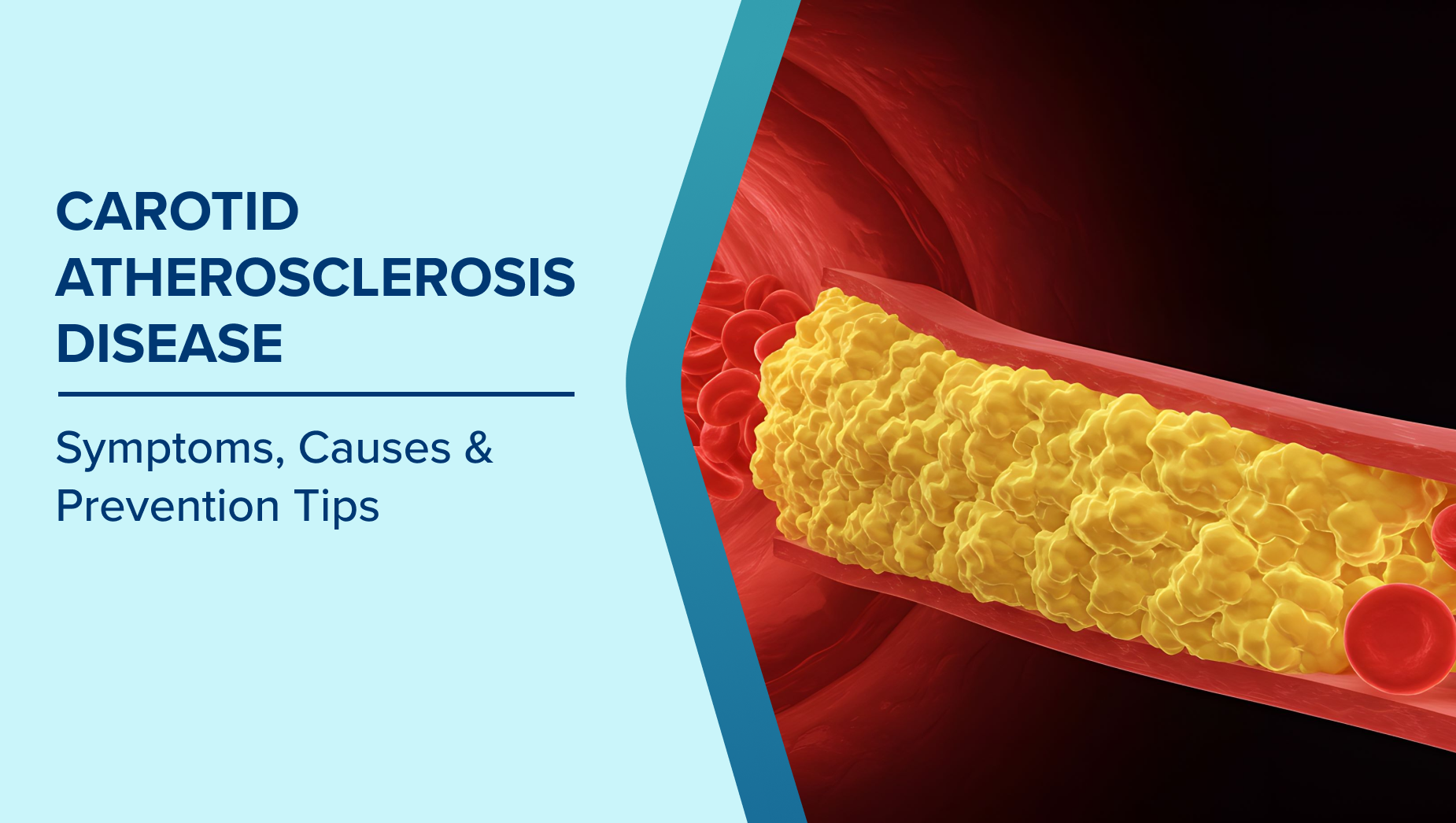
Carotid atherosclerosis, also known as carotid artery disease, occurs when plaque (a mixture of fat, cholesterol, and other substances) accumulates inside the carotid arteries. Over time, this accumulation causes the arteries to become narrower, limiting the flow of blood to the brain.
In severe cases, a piece of plaque can break off or a blood clot can form, completely blocking the artery and causing a stroke. Because this condition develops gradually and often without symptoms in the early stages, many people do not realise they have it until it becomes dangerous.
Key Symptoms You Should Not Ignore
One of the most concerning aspects of carotid atherosclerosis is that it often shows no signs until a serious event occurs. However, certain symptoms may act as warning signs, especially if they appear suddenly. These include:
- Sudden weakness or numbness on one side of the face or body
- Difficulty speaking or slurred speech
- Sudden vision problems in one or both eyes
- Dizziness or loss of balance
- Severe, unexplained headache
These symptoms can signal a transient ischemic attack (TIA), often referred to as a “mini-stroke.” A TIA is a warning sign that a major stroke may occur soon and should be taken seriously.
Major Causes and Risk Factors
Carotid artery disease develops over time due to several interlinked factors:
- Plaque buildup from high cholesterol: Elevated LDL (“bad”) cholesterol contributes to fatty deposits inside arteries.
- Uncontrolled high blood pressure: Increases stress on artery walls, making them prone to damage.
- Diabetes: High blood sugar accelerates the hardening and narrowing of arteries.
- Smoking: Damages blood vessels and speeds up plaque formation.
- Obesity and poor diet: Diets high in processed foods and low in nutrients worsen vascular health.
- Genetics and family history: A strong family history of heart disease or stroke raises the risk.
- Age: The risk increases with age, especially after the age of 50, although younger individuals are now being diagnosed more frequently.
How it is Diagnosed and When to See a Doctor
If you are at risk or experience symptoms such as sudden weakness or difficulty speaking, seek medical attention immediately. Early diagnosis can prevent life-threatening complications.
Diagnosis usually involves:
- Physical examination: A doctor may listen for abnormal sounds (bruits) in your neck using a stethoscope.
- Carotid ultrasound: A painless imaging test to check blood flow and detect narrowing.
- CT or MRI scans: Used to get detailed images of blood vessels and brain tissue.
- Angiography: In some cases, dye is used to view arteries more clearly.
Prevention and Lifestyle Tips
While you cannot change certain factors like age or genetics, adopting healthier habits can significantly lower your risk:
- Maintain healthy cholesterol levels: Limit saturated fats and include more fibre-rich foods, such as vegetables and whole grains.
- Control blood pressure and blood sugar: Work with your doctor to keep them in safe ranges.
- Quit smoking: This is one of the most effective ways to improve vascular health.
- Exercise regularly: Engaging in at least 30 minutes of moderate activity five times a week can be beneficial.
- Adopt a balanced diet: Follow heart-friendly diets like the Mediterranean diet, which focuses on fresh produce, lean proteins, and healthy fats.
- Manage stress: Chronic stress can indirectly worsen artery health, so consider relaxation techniques such as meditation or yoga.
Conclusion
Carotid atherosclerosis develops silently, often without warning, until it leads to a stroke or other serious event. Regular checkups, early screening, and lifestyle changes can make a significant difference in preventing complications. If you have risk factors or symptoms, consult a healthcare professional for timely evaluation and guidance. Protecting your vascular health today can help you avoid life-threatening events tomorrow.
Frequently Asked Questions
Can diet alone reverse carotid atherosclerosis?
While a healthy diet can slow progression and improve overall vascular health, it usually cannot reverse severe plaque buildup. It should be combined with medical management.
Are younger adults at risk for carotid artery disease?
Yes, sedentary lifestyles, poor diets, and rising rates of diabetes are leading to earlier diagnoses in people under 50.
How often should carotid artery screening be done?
For high-risk individuals, screening may be recommended every 1–2 years. Your doctor will determine the best schedule.
Does genetics play a big role in this condition?
Yes, a family history of stroke, heart disease, or high cholesterol can significantly raise your risk.
Can exercise help prevent carotid artery narrowing?
Regular exercise improves blood flow, lowers cholesterol, and helps maintain a healthy weight, all of which reduce the risk of plaque buildup.
Written and Verified by:

Related Blogs

Dr. Ritwick Raj Bhuyan In Cardiac Sciences , Cardiac Surgery (CTVS)
Nov 08 , 2020 | 2 min read

Dr. Gaurav Minocha In Cardiac Sciences
Nov 08 , 2020 | 4 min read
Blogs by Doctor
Most read Blogs


Related Blogs
Dr. Ritwick Raj Bhuyan In Cardiac Sciences , Cardiac Surgery (CTVS)
Nov 08 , 2020 | 2 min read
Dr. Gaurav Minocha In Cardiac Sciences
Nov 08 , 2020 | 4 min read
Blogs by Doctor
Most read Blogs