 WhatsApp Us (24/7)
 +91 926 888 0303 (24/7)


To Book an Appointment
Call Us+91 926 888 0303What are Vascular Diseases: Blood Flow, Risks & Surgery
By Dr. Arvind Makker in Cardiac Sciences , Vascular Surgery , Thoracic Surgery
Feb 17 , 2026

Vascular diseases are conditions that involve the blood vessels responsible for transporting oxygen and essential nutrients to different parts of the body. When these vessels are damaged, narrowed, or weakened, the impact can be serious and sometimes sudden. Conditions such as blocked arteries and aneurysms often develop quietly, but once they reach a critical stage, surgery may be the only option to prevent life-threatening complications.
Understanding Vascular Diseases
Vascular diseases refer to disorders of arteries, veins, and lymphatic vessels. These conditions interfere with normal blood flow and can affect the heart, brain, limbs, and vital organs. While some vascular problems cause mild symptoms at first, others progress silently until a sudden emergency occurs.
Common vascular conditions include narrowed arteries due to plaque buildup, ballooning of weakened vessel walls, and reduced circulation to the limbs or organs. Over time, poor blood flow can damage tissues, impair organ function, and increase the risk of stroke or heart attack.
What Causes Blocked Arteries
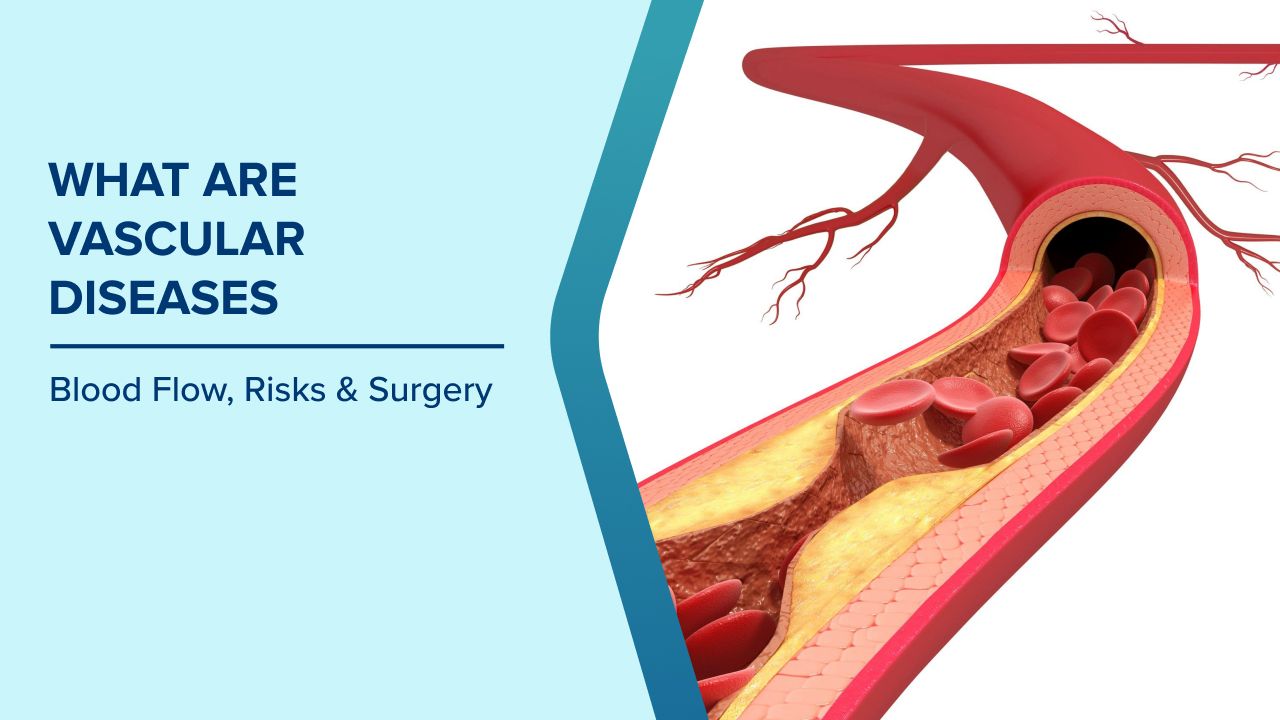
Blocked arteries develop when fatty deposits, cholesterol, and calcium build up along the inner walls of arteries. This process gradually narrows the passage through which blood flows. As the artery becomes constricted, oxygen supply to tissues decreases, leading to pain, weakness, or organ damage.
Factors that increase the risk include smoking, diabetes, high blood pressure, high cholesterol, and a sedentary lifestyle. Age also plays a role, as blood vessels lose elasticity over time.
Blocked arteries can affect different parts of the body, including the heart, brain, kidneys, and legs. The location often determines the symptoms and urgency of treatment.
When Blocked Arteries Become Dangerous
In the early stages, narrowed arteries may not cause noticeable symptoms. As blockage worsens, signs such as chest discomfort, leg pain while walking, numbness, or dizziness may appear. When blood flow becomes severely restricted, tissues begin to suffer permanent damage.
A completely blocked artery can lead to a heart attack, stroke or loss of limb function. At this point, medicines and lifestyle changes alone may no longer be effective. Surgical intervention is often required to restore blood flow and prevent irreversible harm.
Understanding Aneurysms and Their Risks
An aneurysm occurs when a section of a blood vessel weakens and bulges outward. This bulge can grow slowly over time without causing pain or discomfort. Many people remain unaware of an aneurysm until it is discovered during imaging for another condition.
The danger lies in the risk of rupture. When an aneurysm bursts, it causes sudden internal bleeding that can be fatal without immediate treatment. The brain and aorta are among the most common sites for dangerous aneurysms. Moreover, large aneurysms often contain clots and can release a shower of clots into arteries downstream, cutting off the blood supply to organs or limbs.
The size, location and growth rate of an aneurysm determine whether surgery is recommended. Once the risk of rupture becomes significant, surgical repair becomes a life-saving measure.
Other Serious Vascular Conditions
Beyond blocked arteries and aneurysms, several other vascular diseases can require surgical treatment. These include peripheral artery disease, carotid artery narrowing and deep vein disorders that threaten circulation.
Reduced blood flow to the limbs can lead to non-healing wounds, infections and tissue death. In severe cases, delayed treatment may result in amputation. Similarly, narrowing of the arteries supplying the brain increases the risk of stroke.
Each condition requires careful evaluation to decide when surgery offers the greatest benefit.
Diagnosis
A preliminary diagnosis can be made by clinical examination and simple non-invasive ultrasound examination.
How Doctors Decide When Surgery Is Needed
Surgery is not always the first step in treating vascular disease. Doctors often begin with medications, lifestyle changes and monitoring. However, surgery becomes necessary when these measures can no longer control symptoms or prevent complications.
Factors influencing surgical decisions include the severity of the blockage, the speed of disease progression, the patient's overall health, and the risk of sudden events. Imaging tests play a key role in assessing vessel damage and planning treatment.
The goal is always to intervene before permanent damage or life-threatening events occur.
Types of Life-Saving Vascular Surgeries
Several surgical approaches are used to treat vascular diseases. The choice depends on the condition, location and patient factors.
Some procedures involve removing plaque and clots from arteries to restore blood flow. Others involve bypassing the blocked section using a graft. In the case of aneurysms, surgeons may reinforce or replace the weakened segment of the vessel to prevent rupture.
Minimally invasive techniques are increasingly used, allowing faster recovery and reduced complications. However, open surgery remains necessary in complex or advanced cases.
Preparing for Vascular Surgery
Preparation plays an important role in surgical outcomes. Patients undergo a thorough evaluation to assess heart function, lung health and overall fitness for surgery. Existing conditions such as diabetes or high blood pressure must be optimally controlled.
Doctors also explain the procedure, possible risks and recovery expectations.
Recovery and Long-Term Care After Surgery
Recovery after vascular surgery varies based on the procedure and individual health. Some patients resume normal activities within weeks, while others require longer rehabilitation.
Long-term success depends on maintaining healthy blood vessels. This includes managing risk factors, following medication plans and attending regular follow-up visits. Surgery treats the immediate problem, but lifestyle changes help prevent future complications.
Why Early Action Can Save Lives
Many vascular emergencies occur because warning signs were overlooked or ignored. Symptoms such as persistent leg pain, unexplained weakness, sudden headaches or vision changes should never be dismissed.
Early diagnosis allows timely intervention before surgery becomes urgent. When treatment is delayed, options become limited, and risks increase significantly.
Awareness and proactive care remain the strongest tools in preventing life-threatening outcomes.
Conclusion
Blocked arteries, aneurysms, and vascular diseases often progress quietly, but their consequences can be sudden and severe. Surgery becomes life-saving when blood flow is critically compromised or when weakened vessels threaten to rupture. Recognising symptoms early, seeking timely evaluation, and following medical advice can make the difference between recovery and irreversible damage. With the right care at the right time, even serious vascular conditions can be managed effectively.
Frequently Asked Questions
Can vascular diseases affect younger adults?
Yes, while more common with age, vascular conditions can develop in younger individuals due to genetic factors, smoking, obesity or chronic illnesses.
Are vascular surgeries always major procedures?
Not always. Many vascular procedures are minimally invasive and performed through small incisions, depending on the condition and location.
How long do surgical repairs of arteries last?
The durability varies based on the type of surgery, patient health, and lifestyle habits. Regular follow-up helps ensure long-term success.
Can vascular disease return after surgery?
Surgery corrects existing damage but does not remove underlying risk factors. Ongoing care is essential to prevent recurrence.
Is pain always present in serious vascular conditions?
No, some dangerous vascular problems develop without pain, which is why routine health checks are important for early detection.
Written and Verified by:

Related Blogs

Dr. Ritwick Raj Bhuyan In Cardiac Sciences , Cardiac Surgery (CTVS)
Nov 08 , 2020 | 2 min read

Dr. Gaurav Minocha In Cardiac Sciences
Nov 08 , 2020 | 4 min read
Blogs by Doctor
Carotid Atherosclerosis Disease: Symptoms, Causes & Prevention Tips
Dr. Arvind Makker In Cardiac Sciences , Cardiac Surgery (CTVS) , Vascular Surgery
Aug 19 , 2025 | 3 min read
Most read Blogs


Related Blogs
Dr. Ritwick Raj Bhuyan In Cardiac Sciences , Cardiac Surgery (CTVS)
Nov 08 , 2020 | 2 min read
Dr. Gaurav Minocha In Cardiac Sciences
Nov 08 , 2020 | 4 min read
Blogs by Doctor
Carotid Atherosclerosis Disease: Symptoms, Causes & Prevention Tips
Dr. Arvind Makker In Cardiac Sciences , Cardiac Surgery (CTVS) , Vascular Surgery
Aug 19 , 2025 | 3 min read
Most read Blogs