 WhatsApp Us (24/7)
 +91 926 888 0303 (24/7)


To Book an Appointment
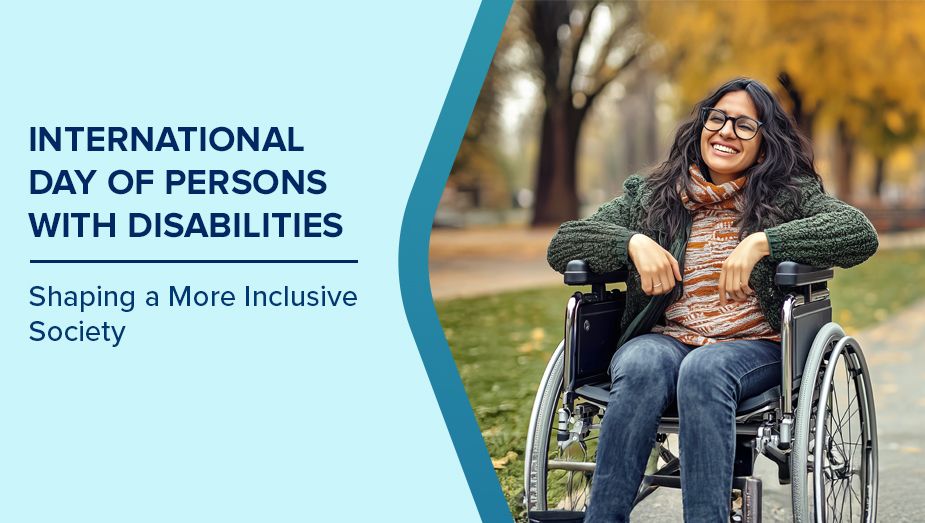
Call Us+91 926 888 0303International Day of Persons with Disabilities: Shaping a More Inclusive Society
By Dr. Abhishek Srivastava in Neurosciences , Neurology
Dec 01 , 2025 | 11 min read

People with disabilities demonstrate remarkable resilience as they adapt to challenges and continue to lead meaningful lives. Yet, the world around them often presents barriers that limit equal participation, from inaccessible spaces to social attitudes that overlook their needs. There is still much that can be done to build a society where everyone has the opportunity to live, work, and thrive without exclusion. To highlight these needs and encourage global action, the International Day of Persons with Disabilities was established. In this blog, we explore the different types of disabilities, the barriers people continue to face, the steps that can be taken towards a more inclusive society, and the vital role of healthcare in supporting individuals with disabilities. Let’s begin by understanding the importance of this day.
History and Significance of International Day of Persons with Disabilities
The International Day of Persons with Disabilities was proclaimed by the United Nations General Assembly in 1992. It is observed every year on 3rd December to promote understanding of disability issues and mobilise support for the dignity, rights, and well-being of persons with disabilities.
The day serves as a global platform to highlight the importance of creating inclusive environments in education, employment, healthcare, and community life. Each year, it focuses on a specific theme that draws attention to key areas where change is needed, such as accessibility, participation, and equality.
Beyond awareness, the day also celebrates the achievements and contributions of people with disabilities worldwide. It reminds governments, organisations, and individuals alike that inclusion is not an act of kindness but a responsibility that helps build stronger, fairer societies.
Theme for International Day of Persons with Disabilities 2025
The theme for the International Day of Persons with Disabilities 2025 is “Fostering disability-inclusive societies for advancing social progress.” It emphasises the importance of creating communities where individuals with disabilities are fully included in every aspect of life, from education and employment to healthcare and social participation. The theme highlights that true inclusion goes beyond accessibility; it is about equal opportunities, respect, and active involvement in shaping a better society. It also reinforces that progress cannot be achieved without ensuring that persons with disabilities have the same rights and access to resources as everyone else.
Understanding Different Types of Disabilities
Disabilities affect people in diverse ways, influencing their ability to move, communicate, learn, or engage in daily activities. Below are the main categories of disabilities and how they impact individuals:
Physical disabilities
Physical disabilities affect movement, coordination, or physical capacity. These can result from genetic conditions, injury, or illness that impact muscles, bones, or the nervous system. Examples include:
- Cerebral palsy: Affects balance, posture, and movement due to early brain injury or abnormal development.
- Muscular dystrophy: A group of conditions that lead to progressive muscle weakness.
- Spinal cord injury: Damage that may cause partial or complete loss of movement or sensation below the injury level.
People with physical disabilities may need assistive devices, physiotherapy, occupational therapy, and barrier-free infrastructure to improve independence and participation.
Sensory disabilities
Sensory disabilities involve impairment in one or more senses, most commonly vision or hearing. These impairments may be present from birth or develop later in life. Common examples are:
- Visual impairment: From low vision to complete blindness, affecting reading, mobility, and recognition tasks.
- Hearing impairment: Ranges from mild hearing loss to profound deafness, affecting communication and language development.
Supportive measures include hearing aids, cochlear implants, screen readers, braille materials, and sign language services.
Intellectual Disabilities
Intellectual disabilities affect cognitive functioning, reasoning, and adaptive behaviours. They can range from mild to severe and may be caused by genetic conditions, birth complications, or infections during early development. People with intellectual disabilities may take longer to learn new skills or understand complex information but can thrive with early intervention, special education, and supportive environments. Common examples include depression, anxiety disorders, schizophrenia, and bipolar disorder.
Learning Disabilities
Learning disabilities affect how a person processes and understands information. They are not related to intelligence but to specific difficulties in areas such as reading, writing, or mathematics.With early diagnosis, adaptive teaching methods, and continuous support, individuals with learning disabilities can perform successfully in education and employment. Examples include dyslexia (difficulty reading), dysgraphia (difficulty writing), and dyscalculia (difficulty understanding numbers).
Challenges and Barriers Faced by People with Disabilities
People with disabilities often face a range of barriers that affect their ability to participate fully in society. These barriers include:
1. Physical Barriers
Physical barriers are among the most visible challenges faced by individuals with disabilities. Many public places, workplaces, and transportation systems still lack accessible infrastructure such as ramps, elevators, tactile paving, or wheelchair-friendly washrooms. Even minor obstacles like narrow doorways, uneven surfaces, or poorly designed public transport can make daily activities difficult. Accessible design and universal planning are key to ensuring mobility and independence.
2. Attitudinal Barriers
Negative attitudes and misconceptions about disabilities remain one of the biggest challenges. Many people still view disability as a limitation rather than a part of human diversity. This mindset can lead to exclusion, discrimination, or pity instead of equal respect and inclusion. Promoting awareness, education, and interaction with persons with disabilities can help change perceptions and build empathy.
3. Communication Barriers
Communication barriers arise when people with speech, hearing, or visual impairments cannot access information or express themselves effectively. A lack of sign language interpreters, visual aids, or assistive communication tools can make education, employment, and healthcare interactions more difficult. Ensuring accessible communication through captioning, braille, or digital accessibility features can help bridge these gaps.
4. Educational Barriers
Access to quality education remains a major challenge for many children and adults with disabilities. Inadequate special education programmes, untrained teachers, and lack of inclusive learning materials often prevent students from reaching their potential. Inclusive education systems that adapt teaching methods, provide resource teachers, and use assistive technology can create better learning opportunities for all.
5. Employment Barriers
Many people with disabilities face difficulties finding or maintaining employment due to workplace discrimination, lack of reasonable accommodations, or limited vocational training. This not only affects financial independence but also social inclusion. Workplaces that adopt inclusive hiring policies and make practical adjustments such as flexible work arrangements or accessible tools can help create equal opportunities.
6. Healthcare Barriers
Access to healthcare is a critical area where barriers remain. Some individuals face challenges such as inaccessible facilities, lack of trained medical staff, or communication difficulties with healthcare providers. In many cases, medical information and equipment are not adapted for people with sensory or mobility impairments. Training healthcare professionals and designing inclusive healthcare systems are essential to ensure equal access to medical care for all.
7. Social and Cultural Barriers
Social stigma, cultural beliefs, and exclusion from community events often make people with disabilities feel isolated. In some societies, disability is misunderstood or associated with negative stereotypes, leading to neglect or discrimination. Encouraging community participation and awareness can foster a sense of belonging and dignity.
Steps Society Can Take to Support People with Disabilities
Creating an inclusive society requires effort from everyone, including governments, institutions, and individuals. True inclusion means ensuring equal access, participation, and respect for people with disabilities in all aspects of life. Below are some key steps that can help move towards this goal:
1. Ensuring Accessible Infrastructure
Public spaces, workplaces, schools, hospitals, and transportation systems should be designed to accommodate everyone. Ramps, elevators, tactile paths, and accessible washrooms are basic but essential features. Digital accessibility, such as screen-reader-friendly websites and captioned videos, is equally important in today’s world.
2. Promoting Inclusive Education
Schools and universities must provide learning environments that cater to students with different needs. This includes trained teachers, accessible study materials, assistive technologies, and flexible teaching methods that allow every student to learn at their own pace.
3. Encouraging Employment Opportunities
People with disabilities often face bias or lack of opportunities in the workplace. Employers can help bridge this gap by offering inclusive hiring practices, providing reasonable workplace accommodations, and focusing on skills rather than limitations.
4. Strengthening Legal Protections
Enforcing laws that protect the rights of people with disabilities is essential. Governments should ensure that discrimination in any form is penalised. Strong policies also encourage organisations to adopt inclusive standards.
5. Promoting Awareness and Empathy
Social attitudes can either include or isolate individuals with disabilities. Awareness campaigns, community initiatives, and open discussions can challenge stereotypes and promote respect, understanding, and acceptance.
Healthcare Support for Persons with Disabilities
Access to quality healthcare is essential for people with disabilities, as it plays a vital role in maintaining both their physical and mental well-being. Below are some key areas that contribute to better healthcare support for persons with disabilities.
Accessible Medical Facilities
For individuals with mobility, visual, or hearing impairments, visiting a hospital can be challenging if the environment is not designed for accessibility. Ramps, elevators with audio signals, accessible examination tables, and sign language interpreters are essential to ensure smooth access to care. These adaptations help patients attend appointments independently and reduce their reliance on others.
Specialised Rehabilitation Services
Rehabilitation is especially important for those recovering from injury, stroke, or congenital conditions affecting movement or coordination. Services such as physiotherapy for mobility improvement, occupational therapy for adapting daily routines, and speech therapy for communication difficulties help individuals regain independence and confidence in managing everyday tasks.
Disability-Aware Healthcare Professionals
Medical professionals trained in disability awareness can better understand the unique health needs of these patients. For example, they can modify examination methods for wheelchair users or communicate effectively with patients who have speech or hearing impairments. Sensitisation training also helps eliminate biases and ensures respectful, patient-centred care.
Assistive and Adaptive Medical Technology
People with disabilities often depend on specialised devices to maintain their health. Examples include prosthetics, orthotic supports, customised wheelchairs, hearing aids, and adaptive communication devices. Hospitals should integrate such technologies into treatment plans and guide patients on proper use and maintenance to improve their quality of life.
Mental Health and Emotional Support
Living with a disability can sometimes lead to feelings of isolation or stress. Counselling, therapy, and peer support groups provide emotional stability and create a sense of community. Addressing mental health needs alongside physical care ensures holistic well-being.
Do Your Part this International Day of Persons with Disabilities
Creating an inclusive society is not just the responsibility of organisations or governments; it begins with each individual. Small, conscious efforts can make a meaningful difference in how people with disabilities experience the world. Here are some ways to contribute:
- Use respectful language: Choose words that recognise people for who they are rather than defining them by their disability. For example, say “a person with a disability” instead of “a disabled person.”
- Promote accessibility: Support changes that make workplaces, schools, and public areas easier to access. Simple steps such as keeping ramps unobstructed or ensuring digital content is screen-reader friendly can help.
- Encourage inclusion: Make sure people with disabilities are included in everyday conversations, activities, and events. Equal participation helps build understanding and mutual respect.
- Support disability-focused organisations: Volunteer, donate, or raise awareness for groups working towards equal rights and opportunities for persons with disabilities.
- Be an active listener: Listen to people with disabilities without assumptions. Understanding their challenges and perspectives helps create empathy and awareness.
- Spread awareness: Share accurate information and positive stories about disability inclusion in your community and on social platforms to challenge misconceptions.
Each effort, no matter how small, contributes to a society where every individual feels seen, supported, and included.
Final Words
This International Day of Persons with Disabilities, let’s remind ourselves that kindness, respect, and understanding can be the strongest foundations of an inclusive world. These values matter most when they translate into action, whether it's listening without judgment, offering support when needed, or simply ensuring no one feels overlooked. When we make inclusion a part of our everyday choices, we create spaces where everyone truly belongs. IIf you or someone you know is living with a disability and needs medical or rehabilitative support, the specialists at Max Hospital are here to help with care that focuses on improving health, independence, and quality of life.
Frequently Asked Questions
How can I identify if my child has a learning disability?
Early signs may include difficulty following instructions, trouble with reading or writing compared to peers, short attention span, or challenges in understanding basic concepts. If you notice consistent struggles despite regular teaching, consult a developmental pediatrician or educational psychologist for a proper assessment. Early intervention can make a significant difference.
Are disabilities always permanent, or can some be temporary?
While many disabilities are lifelong, some can be temporary. For example, a person recovering from a severe injury or surgery may experience temporary mobility limitations. Others, like certain sensory impairments or cognitive difficulties following a stroke, may improve with rehabilitation and therapy over time.
What is the difference between a disability and a chronic illness?
A disability refers to a physical, sensory, cognitive, or mental condition that limits major life activities. A chronic illness is a long-term health condition that may or may not cause disability. For instance, someone with diabetes (chronic illness) may not have a disability unless complications affect their daily functioning significantly.
Can people with disabilities participate in sports and physical activities?
Absolutely. Adaptive sports programs and para-athletics are designed specifically for people with various disabilities. Activities like wheelchair basketball, para-swimming, and blind cricket promote physical fitness, social interaction, and confidence. Consult with healthcare providers to find suitable activities.
What support is available for families caring for a person with a disability?
Support includes respite care services, caregiver training programs, financial assistance schemes, counseling services, and community support groups. Many hospitals and NGOs also offer guidance on managing daily care, accessing government benefits, and connecting with other families in similar situations.
How do I make my home more accessible for a family member with mobility challenges?
Simple modifications include installing grab bars in bathrooms, removing loose rugs to prevent falls, widening doorways if possible, ensuring good lighting throughout the house, placing frequently used items at reachable heights, and creating a bedroom on the ground floor if stairs are difficult.
Is it appropriate to offer help to someone with a disability without being asked?
It's thoughtful to offer, but always ask first rather than assuming someone needs assistance. A simple "Would you like any help?" respects their autonomy. If they decline, accept their response gracefully. Many people with disabilities prefer to maintain their independence unless they specifically request support.
What assistive technologies are covered under health insurance?
Coverage varies by insurance provider and policy type. Commonly covered items may include wheelchairs, hearing aids, prosthetics, and certain mobility devices. It's best to check with your insurance provider about specific coverage, required documentation, and the claims process for assistive devices.
What are some examples of invisible disabilities?
Invisible disabilities refer to conditions that may not be immediately apparent, such as chronic pain, hearing loss, mental health disorders, learning disabilities, or neurological conditions like epilepsy and autism.
Written and Verified by:

Related Blogs

Dr. Chandril Chugh In Neurosciences , Interventional Neurology
Nov 08 , 2020 | 1 min read

Dr. Chandril Chugh In Neurosciences , Interventional Neurology
Nov 08 , 2020 | 2 min read
Most read Blogs


Related Blogs
Dr. Chandril Chugh In Neurosciences , Interventional Neurology
Nov 08 , 2020 | 1 min read
Dr. Chandril Chugh In Neurosciences , Interventional Neurology
Nov 08 , 2020 | 2 min read
Most read Blogs