 WhatsApp Us (24/7)
 +91 926 888 0303 (24/7)


To Book an Appointment
Call us+91 926 888 0303To Book an Appointment
Call us+91 926 888 0303Recent Articles
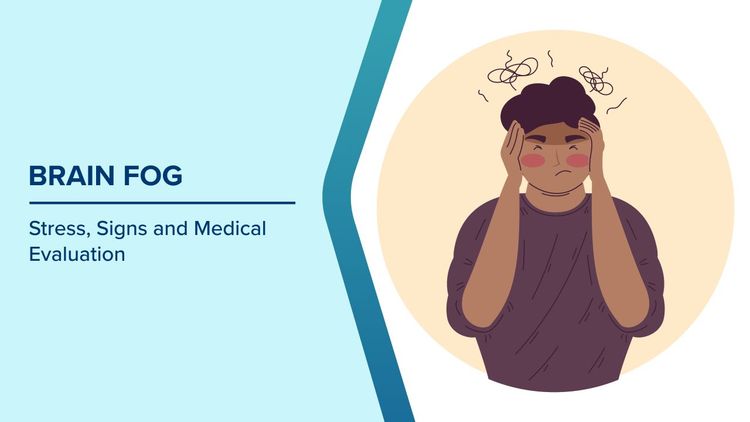
Brain Fog: Stress, Signs and Medical Evaluation
You walk into a room and forget why you went there. You struggle to find the right words during a conversation. Tasks that would normally take a few minutes suddenly feel mentally exhausting. If this sounds familiar, you may have experienced brain fog.
Dr. Manoj Khanal In Neurosciences Interventional Neurology Neurology
Jun 24 , 2026

Hypertension and Stroke Risk: Lifestyle, Stress and Regular Monitoring
High blood pressure, also known as hypertension, is one of the leading causes of stroke. What makes it especially dangerous is that it often develops silently, without noticeable symptoms, while gradually damaging blood vessels in the brain and throughout the body.
Dr. Manoj Khanal In Neurosciences Interventional Neurology Neurology
Jun 23 , 2026
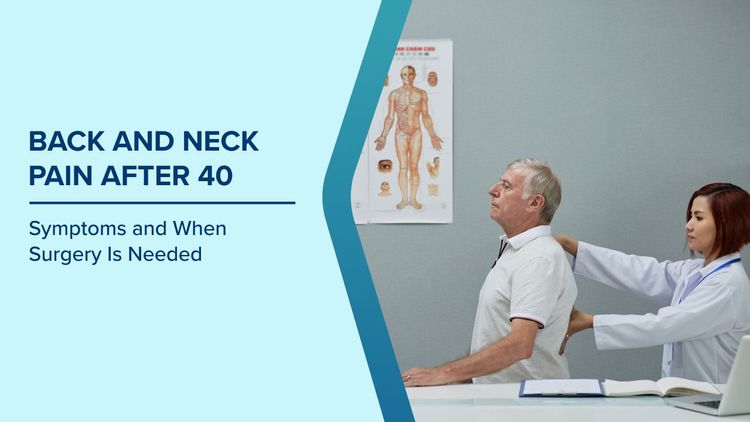
Back and Neck Pain After 40: Symptoms and When Surgery Is Needed
Back pain and neck pain are among the most common complaints in any doctor's clinic. Most of us will experience them at some point, and for many people over the age of forty, the cause is something called degenerative spine disease.
Dr Anshul Goel In Neurosurgery Neurosciences
Jun 18 , 2026

What Causes Multiple Sclerosis: Immune Changes & Environmental Factors
Multiple Sclerosis often leaves one central question in the minds of patients and families: why does the immune system begin acting against the body’s own nervous system in the first place? Unlike infections that have a single clear origin, Multiple Sclerosis develops through a combination of biological sensitivity and external influences that gradually reshape immune behaviour over time. Cause and Risk Factors The cause of Multiple Sclerosis is still not known. However, there is an interaction of several factors that may be involved in
Dr. Rajesh Gupta In Neurosciences Neurology
Jun 11 , 2026 | 9 min read
Most read blogs

Loose motions or Diarrhea is one of the most common ailments across every age group – from infants and mothers to the elderly. Diarrhea is the frequent passage of watery or loose stools across irregular intervals. There are many possible causes of Diarrhea. These include allergies, food poisoning, infections, and stress. As such, Diarrhea is merely a symptom of one of many possible causes. Most of the time, loose motions is not a serious problem and can be treated at home. Below, we've outlined 3 simple h
Max Team In Internal Medicine
Feb 22 , 2018 | 9 min read

To make sure that what you eat helps your body and also helps you stay interested, spread out your food through the day by following different food ideas. You can mix and match the following depending on how much you can eat and whether you are vegetarian or non vegetarian.
Max Team In Obstetrics And Gynaecology Nutrition And Dietetics
Nov 07 , 2020 | 9 min read
When you have loose motions, the most effective way to return to full health is by changing your diet. There are many foods which can help you to soothe your stomach, but there are some foods that can irritate your stomach. We'll proceed by listing out some of the things that you should and shouldn't do when you have loose motions.
Max Team In Internal Medicine
Mar 21 , 2018 | 9 min read

Many people think that squint is a permanent condition and cannot be corrected. But the truth is that eyes can be straightened at any age. Commonly known as “Strabismus”, where the eyes are not aligned in the same direction, this can be present only part of the time, in one or alternating between two eyes. The squinting may turn in (converge), turn out (diverge) or sometimes turn up or down.
Max Team In Ophthalmology Eye Care / Ophthalmology
Nov 13 , 2020 | 9 min read
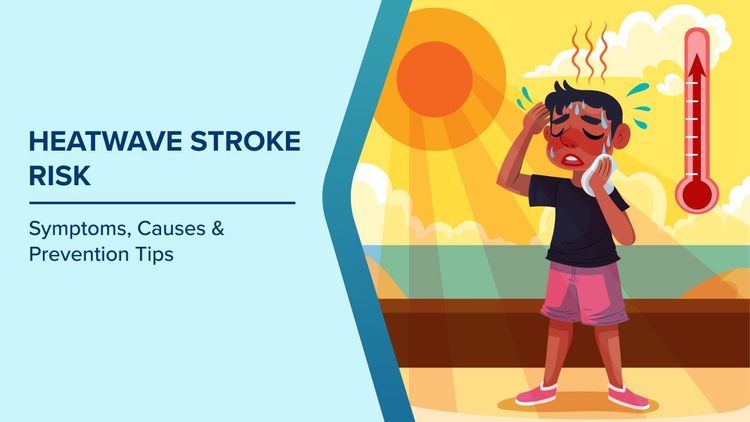
Heatwave Stroke Risk: Symptoms, Causes & Prevention Tips
Extreme heat and stroke risk are closely connected, especially during intense summer heatwaves. High temperatures can lead to dehydration, blood pressure fluctuations, and increased strain on the heart and brain, all of which may raise the risk of a brain stroke.
Dr. Nikhil Dongre In Neurosciences Neurology
Jun 11 , 2026
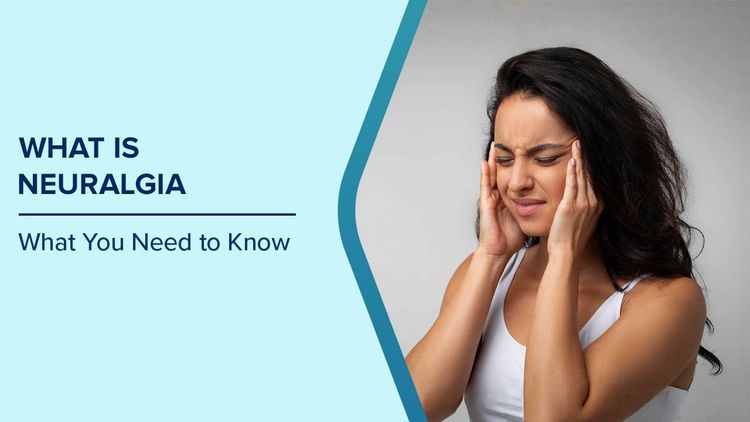
What is Neuralgia: What You Need to Know
Neuralgia is a chronic pain disorder that causes extreme, sporadic, sudden burning or shock-like face pain. This debilitating pain can occur suddenly and persist for prolonged periods, affecting both physical comfort and emotional well-being. In this article, we delve into the complexities of neuralgia, exploring its symptoms, causes, diagnosis, and management strategies, with an aim to empower individuals to seek timely medical attention and find relief from the challenges posed by this condition. Let’s start with some basics.
Dr. Manoj Khanal In Neurosciences Interventional Neurology Neurology
May 29 , 2026 | 7 min read

World Alzheimer's Day 2026: Key Facts on Alzheimer's Disease, Symptoms, Causes & Stages
Alzheimer’s disease is a progressive brain disorder that affects memory, thinking, and behaviour. It is the most common cause of dementia, especially in older adults, but it is not a normal part of aging. Over time, it worsens, making it difficult for those affected to carry out daily tasks.
Dr. Shamsher Dwivedee In Neurosciences
May 28 , 2026 | 4 min read

What Happens in Multiple Sclerosis: Symptoms, Causes & Early Changes
Most of the time, your body responds exactly the way you expect it to. You decide to move, speak, or react, and it happens almost instantly. This smooth coordination between thought and action is something we rarely think about
Dr. K. M. Hassan In Neurosciences Interventional Neurology Neurology
May 26 , 2026
By Specialities
- Aesthetic And Reconstructive Surgery
- Allergy
- Anaesthesia
- Arthroscopic Surgery
- Arthroscopy & Sports Injury
- Audiology
- Ayurveda Medicine
- Bariatric Surgery / Metabolic
- Bone Marrow Transplant
- Breast Cancer
- Cancer Care / Oncology
- Cardiac Anesthesia
- Cardiac Electrophysiology-Pacemaker
- Cardiac Sciences
- Cardiac Surgery
- Cardiac Surgery (CTVS)
- Cardiology
- Child Development Clinic
- Clinical Psychology
- Critical Care
- Dental Care
- Department of General Surgery and Robotics
- Dermatology
- Diabesity Clinic
- Diabetes Educator
- Dietetics
- Emergency & Trauma
- Emergency Medicine
- Endocrinology & Diabetes
- Endodontist & Cosmetic Dentist
- ENT
- ENT(Ear Nose Throat)
- Eye Care / Ophthalmology
- Foetal Medicine
- Gastro Intestinal & Hepatopancreatobiliary Surgical Oncology
- Gastroenterology, Hepatology & Endoscopy
- Gastrointestinal & Hepatobiliary Oncology
- Gastrointestinal Surgery
- General Surgery
- Gynaecologic Laparoscopy
- Gynecologic Oncology
- Haematology
- Hair Transplant
- Hand & Limb Reconstruction
- Head & Neck Oncology
- Health And Wellness
- Hematology
- Hematology Oncology
- Infertility & IVF
- Institute of Laparoscopic, Endoscopic & Bariatric Surgery
- Internal Medicine
- Interventional Cardiology
- Interventional Neurology
- Interventional Radiology
- Kidney Transplant
- Laboratory Medicine / Pathology
- Laparoscopic / Minimal Access Surgery
- Liver Transplant and Biliary Sciences
- Lung Transplant
- Maternity
- Maxillofacial Surgery and Implantology
- Medical & Surgical Gastroenterology
- Medical Oncology
- Mental Health And Behavioural Sciences
- Metabolic And Bariatric Surgery
- Molecular Oncology & Cancer Genetics
- Musculoskeletal Oncology
- Musculoskeletal Surgical Oncology
- Neonatology
- Nephrology
- Neuro Oncology
- Neurology
- Neurosciences
- Neurosurgery
- Nuclear Medicine
- Nutrition And Dietetics
- Obstetrics And Gynaecology
- Oncology Reconstructive Surgery
- Ophthalmology
- Orthopaedics & Joint Replacement
- Paediatric (Ped) Cardiac Surgery
- Paediatric (Ped) Cardiology
- Paediatric (Ped) Endocrinology
- Paediatric (Ped) Gastroenterology
- Paediatric (Ped) Hematology
- Paediatric (Ped) Intensive Care
- Paediatric (Ped) Nephrology
- Paediatric (Ped) Neurology
- Paediatric (Ped) Neurosurgery
- Paediatric (Ped) Oncology
- Paediatric (Ped) Pulmonology
- Paediatric (Ped)/Medical Oncology
- Paediatric Haematology
- Paediatrics (Ped)
- Pain Management
- Palliative Care
- Periodontology
- Physiotherapy & Rehabilitation Medicine
- Psychiatry
- Pulmonology
- Radiation Oncology
- Radiology
- Rheumatology
- Robotic Joint Replacement
- Robotic Surgery
- Spine Surgery
- Surgical Oncology
- Thoracic Oncology
- Thoracic Oncology Surgery
- Thoracic Surgery
- Transfusion Medicine
- Uro-Oncology
- Urology
- Vascular Surgery